
Tracey Emin Biography Quotes 29 Report mistakes
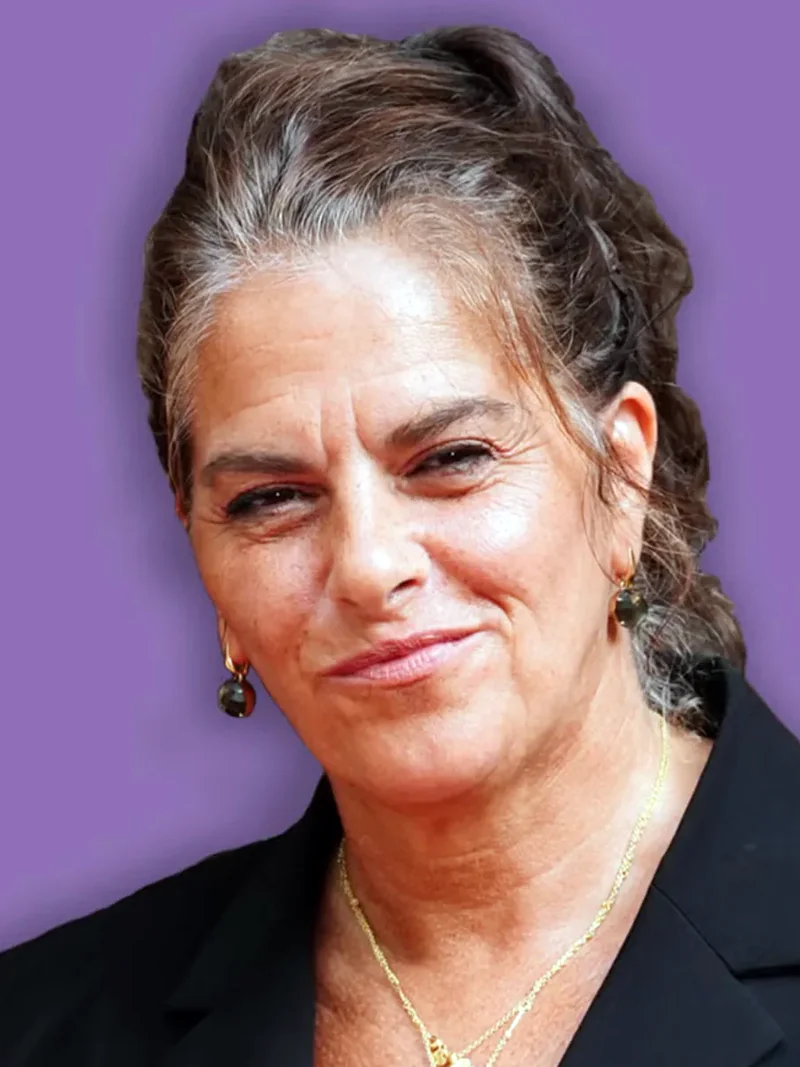
Attr: The Independent
| 29 Quotes | |
| Occup. | Artist |
| From | England |
| Born | July 3, 1963 Croydon, London, England |
| Age | 62 years |
| Cite | |
Citation Formats
APA Style (7th ed.)
Tracey emin biography, facts and quotes. (2026, February 4). FixQuotes. https://fixquotes.com/authors/tracey-emin/
Chicago Style
"Tracey Emin biography, facts and quotes." FixQuotes. February 4, 2026. https://fixquotes.com/authors/tracey-emin/.
MLA Style (9th ed.)
"Tracey Emin biography, facts and quotes." FixQuotes, 4 Feb. 2026, https://fixquotes.com/authors/tracey-emin/. Accessed 26 Mar. 2026.
Early Life and Background
Tracey Emin was born on July 3, 1963, in Croydon, south London, and grew up primarily in the seaside town of Margate, Kent, in a family shaped by rupture and improvisation. Her father, a Turkish Cypriot businessman, lived between households; the sense of unstable belonging - English and diasporic, coastal and metropolitan, domestic and unmoored - would later become a central emotional engine of her art. Margate in the 1970s, with its faded resort glamour and hard edges, gave her a visual vocabulary of neon promise and private damage that would reappear in her later use of signage, confession, and the bedroom as stage.Adolescence arrived amid volatility and exposure. Emin has spoken publicly about sexual violence and the complicated aftermath of trauma, including shame, anger, and survival strategies that can look like self-sabotage from the outside. Those experiences did not simply supply subject matter; they trained an attention to how stories are told - who gets believed, what gets softened into euphemism, what gets erased. Long before fame, she developed the habit of turning lived experience into raw evidence, insisting that biography itself could be both medium and battlefield.
Education and Formative Influences
After leaving school early, Emin moved toward art through adult education and determination rather than a straight academic corridor. She studied at Medway College of Design (where she encountered a young Damien Hirst) before earning a BA in Fine Art at Maidstone College of Art and later an MA at the Royal College of Art in London (1989). The post-Thatcher art world she entered was hungry for new spectacle and new candor; she absorbed the legacies of feminist body art, confessional writing, punk directness, and the charge of autobiography in modernism, while also learning the practical lesson that institutions simultaneously elevate and domesticate risk.Career, Major Works, and Turning Points
Emin emerged publicly in the early 1990s through a restless mix of painting, drawing, writing, video, installation, and craft, often selling or staging her own work outside conventional channels. A key early moment was her decision to frame a first show as an endpoint: “I thought it would be my one and only exhibition, so I decided to call it My Major Retrospective”. That gesture - part bravado, part genuine uncertainty - anticipated her career-long tension between exposure and control. She became a defining figure of the Young British Artists milieu without fitting neatly into its cool irony: works such as Everyone I Have Ever Slept With 1963-1995 (the tent, 1995) and My Bed (1998) turned intimate life into public architecture. My Bed, shown for the Turner Prize in 1999, made the detritus of depression and desire into a monument and a provocation; later projects expanded her reach through neon texts, bronze sculptures, large-scale drawings, and public commissions, while her memoir writing and interviews deepened the sense that her art and speech were parts of one continuous performance of truth-telling.Philosophy, Style, and Themes
Emin's central method is to treat the self as both archive and material - not a stable identity to be celebrated, but a site of contradiction, revision, and damage. She frequently insists on the instability of recollection and confession, and the work often stages that instability rather than resolving it: “It's my memory, and what happened between that moment 10 or 15 years ago and now, there's a lot of gray area”. Psychologically, this is not evasiveness so much as a refusal of tidy redemption narratives. Her practice acknowledges that trauma and desire do not file themselves into coherent plots; they return as fragments, repetitions, and bodily signals. The bed, the tent, the scrawled line of handwriting, the blunt list of names - these are forms that admit vulnerability while also acting as shields, allowing her to reveal without pretending to be whole.Stylistically, her directness is inseparable from a hard-earned independence and a suspicion of the marketplace's hunger for scandal. She has described herself as self-reliant to the point of necessity: “I am fiercely independent and I probably wouldn't be if it wasn't for the way in which I was brought up”. That independence fuels the work's moral voltage - the insistence that a woman's interior life, including its mess and shame, is not a minor subject. Yet it also produces friction with institutions and audiences, because candor invites policing; as her fame grew, she learned how notoriety can narrow what is permitted, even when it appears to celebrate freedom. In Emin, confession is never merely therapeutic - it is a confrontation with how class, gender, and publicity determine which truths are rewarded and which are punished.
Legacy and Influence
Emin helped reset the terms of late-20th-century British art by making vulnerability a credible form of strength and autobiography a rigorous aesthetic strategy rather than a confession booth. She expanded what could count as serious material - textiles, handwriting, sexual history, depression, longing - and made the private room a public forum without sanitizing its discomfort. Her influence is visible in subsequent generations of artists who use memoir, text, and lived experience as primary media, and in the broader cultural shift toward first-person testimony as a mode of authority. In an era that often demanded either irony or polish, Emin made a third path: art that risks being disliked in order to stay alive.Our collection contains 29 quotes written by Tracey, under the main topics: Witty One-Liners - Funny - Truth - Art - Friendship.