
Troy Vincent Biography Quotes 18 Report mistakes
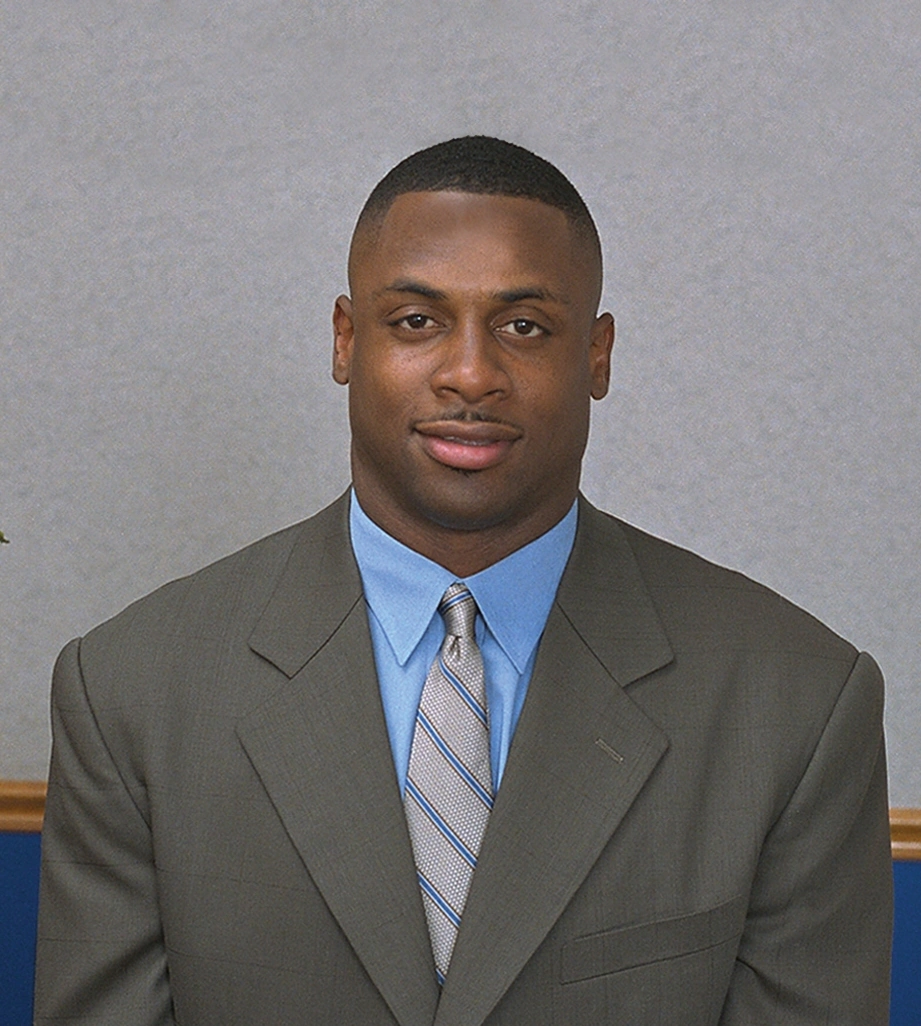
| 18 Quotes | |
| Born as | Troy Darnell Vincent |
| Occup. | Athlete |
| From | USA |
| Born | June 8, 1970 Trenton, New Jersey, U.S. |
| Age | 55 years |
| Cite | |
Citation Formats
APA Style (7th ed.)
Troy vincent biography, facts and quotes. (2026, March 17). FixQuotes. https://fixquotes.com/authors/troy-vincent/
Chicago Style
"Troy Vincent biography, facts and quotes." FixQuotes. March 17, 2026. https://fixquotes.com/authors/troy-vincent/.
MLA Style (9th ed.)
"Troy Vincent biography, facts and quotes." FixQuotes, 17 Mar. 2026, https://fixquotes.com/authors/troy-vincent/. Accessed 25 Mar. 2026.
Early Life and Background
Troy Darnell Vincent was born on June 8, 1970, in Trenton, New Jersey, and grew up in a social landscape that shaped both his ambition and his sense of duty. His father was absent; his mother, Alma, carried the family through hardship, later marrying James Buckner, whose steadier presence helped give Vincent a framework of discipline. The family eventually settled in Pennsylvania, and Vincent came of age in communities where sport was not a luxury but a route toward identity, order, and mobility. Football, track, and basketball all appealed to his athletic gifts, yet football in particular offered him a language for channeling volatility into structure.
What distinguished Vincent early was not simply speed or size but seriousness. Even as a gifted teenager, he projected the temperament of someone who understood that talent alone was fragile capital. At Pennsbury High School in Fairless Hills, Pennsylvania, he emerged as a standout defensive back and all-around athlete, but his rise was inseparable from a broader interior story: a young man learning to convert instability into purpose. The experience of growing up around economic and family strain appears to have given him a lifelong sensitivity to questions of mentorship, male responsibility, and the stakes facing children whose futures can hinge on a few institutions - family, school, church, team.
Education and Formative Influences
Vincent attended the University of Wisconsin, where he became one of the most decorated defensive backs in school history. Playing in the Big Ten in the late 1980s and early 1990s, he honed the traits that would define his professional identity: disciplined technique, leadership under pressure, and an unusual willingness to think about football as a system rather than merely a contest of will. Wisconsin also widened his civic imagination. He was not only developing into an NFL prospect but into a public-facing leader, absorbing the lesson that athletes in major American institutions are judged in classrooms, locker rooms, and neighborhoods at once. His eventual induction into the College Football Hall of Fame reflected athletic excellence, but the deeper significance of his college years was that they fused performance with accountability.
Career, Major Works, and Turning Points
The Miami Dolphins selected Vincent seventh overall in the 1992 NFL Draft, a confirmation that he had become one of the elite defensive prospects of his generation. In Miami, under the long shadow of Don Shula's culture, he developed from gifted cornerback into Pro Bowl player, combining coverage skill with physical tackling and a calm, almost executive bearing. After joining the Philadelphia Eagles in 1996, he entered his peak years, earning multiple Pro Bowl and All-Pro honors and helping stabilize a franchise that was rebuilding its identity before the Andy Reid era crested. Later stops with the Buffalo Bills and Washington closed his playing career, but by then Vincent had already become more than a player representative - he had become a labor voice. As NFLPA president, he stood at the tense intersection of player safety, compensation, and institutional power, arguing in an era when the league's commercial explosion increasingly collided with the human cost borne by players' bodies. That post-playing transition proved decisive: Vincent moved into NFL executive leadership, eventually becoming Executive Vice President of Football Operations, placing a former cornerback inside the rulemaking and disciplinary machinery of the sport itself.
Philosophy, Style, and Themes
Vincent's public language reveals a man who has spent his life trying to reconcile love of football with moral clarity about its dangers. “It is a violent sport that we choose as men, and that we as parents allow our children to play”. That sentence is notable not for outrage but for shared accountability. Vincent does not externalize blame; he implicates players, parents, and institutions together. It suggests a psychology rooted in stewardship rather than denial, and helps explain why safety, education, and governance became central to his second career. His playing style mirrored that outlook - aggressive but technically grounded, emotional but rarely reckless, committed to the idea that professionalism means controlling what violence can be controlled.
At the same time, Vincent has always retained the locker-room conviction that football is collective work under unforgiving deadlines. “We did it together. Not one individual carried this team”. “There is no future. This is the season. Get to the Super Bowl”. In those remarks one hears the duality that defines him: communal ethics joined to acute competitive urgency. He distrusts celebrity without structure and ambition without craft. His repeated emphasis on technique, youth instruction, and life skills reflects a worldview in which character is not ornamental to performance but the mechanism that sustains it. Vincent's themes - responsibility, preparation, brotherhood, and protection of the next generation - make him unusual among football figures: he speaks as someone who reveres the game enough to criticize it honestly.
Legacy and Influence
Troy Vincent's legacy belongs to two histories at once - the history of elite NFL defensive play in the 1990s and early 2000s, and the history of football's institutional self-examination in the 21st century. As a player, he was a premier cornerback whose consistency, toughness, and intelligence earned wide respect. As a union leader and later league executive, he became part of the difficult transition from an older football culture of stoicism and silence to a more self-conscious era focused on concussion protocols, conduct policy, and developmental standards. That evolution has not been simple, and Vincent has often stood in contested territory, criticized from multiple sides precisely because he occupies the narrow space between labor, management, and public trust. Yet that position itself captures his importance. He has tried to make football answer for its consequences without surrendering its discipline, beauty, or communal force. In that sense, his life is not merely the story of a successful athlete; it is the story of a football man trying to make the game morally adult.
Our collection contains 18 quotes written by Troy, under the main topics: Motivational - Wisdom - Victory - Sports - Parenting.
Source / external links