
Trygve Lie Biography Quotes 2 Report mistakes
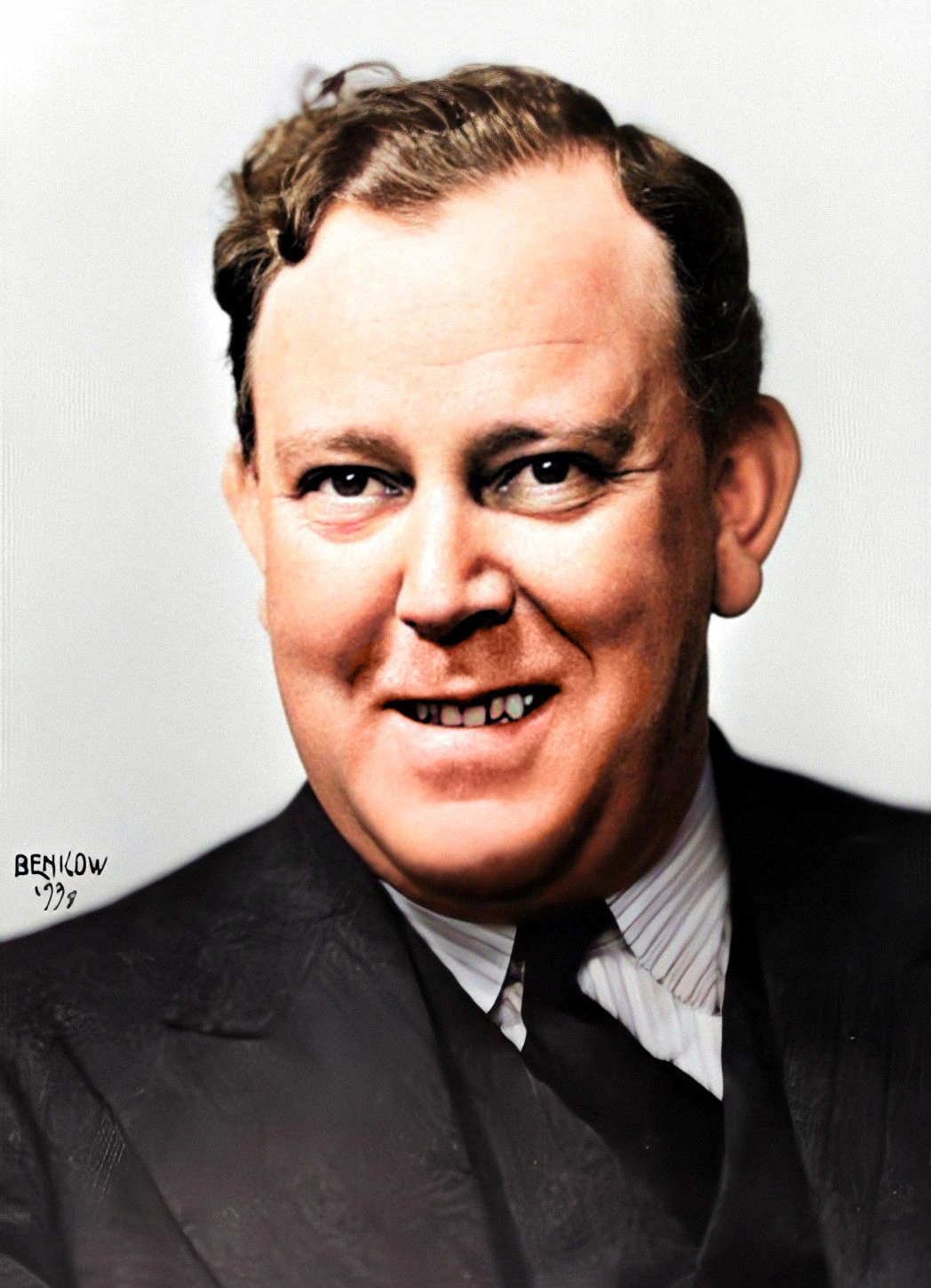
Attr: Atelier Benkow - Oslo Museum
| 2 Quotes | |
| Born as | Trygve Halvdan Lie |
| Occup. | Politician |
| From | Norway |
| Spouse | Hjørdis Jørgensen (1921-1960) |
| Born | July 16, 1896 Kristiania (now Oslo), Oslo, Norway |
| Died | December 30, 1968 Geilo, Buskerud, Norway |
| Aged | 72 years |
| Cite | |
Citation Formats
APA Style (7th ed.)
Trygve lie biography, facts and quotes. (2026, February 11). FixQuotes. https://fixquotes.com/authors/trygve-lie/
Chicago Style
"Trygve Lie biography, facts and quotes." FixQuotes. February 11, 2026. https://fixquotes.com/authors/trygve-lie/.
MLA Style (9th ed.)
"Trygve Lie biography, facts and quotes." FixQuotes, 11 Feb. 2026, https://fixquotes.com/authors/trygve-lie/. Accessed 5 Mar. 2026.
Early Life and Education
Trygve Halvdan Lie was born on 16 July 1896 in Kristiania (now Oslo), Norway, into a working‑class family. His father, a carpenter, emigrated to the United States when Lie was a child, and he was raised primarily by his mother. The experience of modest means and early responsibility drew him toward the labor movement. He studied law at the University of Kristiania, graduating in 1919, and soon put his legal training at the service of trade unions and the Norwegian Labour Party.Rise in the Norwegian Labour Movement
Lie became a key organizer and strategist for the Labour Party during the interwar years. He worked as legal adviser to the Norwegian Confederation of Trade Unions and served as party secretary from the mid‑1920s to the mid‑1930s, helping to professionalize the party’s organization as it moved from agitation to government. He also served on Oslo’s city council, gaining a reputation as a pragmatic, steady administrator. Among his close political contemporaries and collaborators were future prime ministers Johan Nygaardsvold and Einar Gerhardsen, as well as the foreign‑policy thinker Halvard Lange.Minister and Wartime Foreign Minister
When Labour formed a government under Prime Minister Johan Nygaardsvold in 1935, Lie entered the cabinet, first as Minister of Justice (1935, 1939) and then as Minister of Trade (1939, 1940). After Nazi Germany invaded Norway in April 1940, the government evacuated and eventually established itself in London. Lie became Norway’s Foreign Minister in exile (1940, 1946), representing a small occupied country in the councils of the Allies. He worked with figures such as Britain’s Ernest Bevin and the United States’ Cordell Hull and later George C. Marshall, striving to secure Norway’s interests and contribute to plans for a postwar international order.First Secretary‑General of the United Nations (1946–1953)
In 1946, amid a delicate great‑power compromise, the United Nations chose Trygve Lie as its first Secretary‑General. He set about building the institution from the ground up: assembling a multinational civil service, shaping administrative rules that protected staff independence, and guiding the new organization through its formative crises. He shepherded the establishment of the permanent UN Headquarters in New York, aided by John D. Rockefeller Jr.’s site donation, and worked closely with U.S. officials under President Harry S. Truman as well as leading diplomats from the Soviet Union, including Andrei Vyshinsky, with whom he often clashed.Under Lie’s tenure, the UN confronted the earliest tests of the Cold War. He supported UN action during the Korean War (1950, 1953) after the Security Council condemned North Korea’s invasion, a stance that earned him deep hostility from Moscow and its allies. He also gave strong backing to the UN’s human‑rights work, collaborating with Eleanor Roosevelt as the General Assembly adopted the Universal Declaration of Human Rights in 1948. In the Middle East, he oversaw the organization’s early, difficult involvement in Palestine, including the mediation efforts of Count Folke Bernadotte and Ralph Bunche.
As East, West tensions hardened, Lie faced relentless political pressures. The Security Council deadlocked over his reappointment in 1950; the General Assembly extended his term by three years, a procedural outcome the Soviet Union rejected. In the United States, domestic anti‑communist investigations put the UN Secretariat under suspicion, and Lie, determined to preserve the organization, authorized loyalty reviews that proved controversial. He announced his resignation in 1952 and remained in office until his successor, Sweden’s Dag Hammarskjöld, took over in April 1953. Lie later recounted these years in his memoir, In the Cause of Peace.
Return to Norway and Later Career
After leaving the UN, Lie returned to Norway and remained a prominent public servant within the Labour Party’s postwar establishment around Einar Gerhardsen. He served as County Governor (Fylkesmann) of Oslo and Akershus beginning in the mid‑1950s, a role that combined administrative oversight with the representation of the central government in Norway’s capital region. He also advised on foreign‑policy and administrative questions, working alongside colleagues such as Foreign Minister Halvard Lange as Norway navigated NATO membership and European integration debates.Personality, Views, and Legacy
Trygve Lie brought to high office the instincts of a trade‑union lawyer and party organizer: pragmatic, disciplined, and focused on institutional durability. Internationally, he believed the UN must be both principled and operational, capable of collective security, disarmament negotiations, and the protection of universal rights, even amid great‑power rivalry. He was forthright and unvarnished in style, which earned admirers for his candor and critics for his bluntness.As the UN’s first Secretary‑General, he helped define the office and left enduring administrative foundations: a professional international civil service, regularized budgeting and personnel systems, and an activist conception of the Secretariat’s role. His tenure also revealed the limits of the post in the teeth of Cold War politics. He is remembered alongside contemporaries and successors who shaped the early UN, Eleanor Roosevelt, Ralph Bunche, and Dag Hammarskjöld, as one of the architects who moved the organization from aspiration to operating reality.
Personal Life
Lie married Hjørdis Jørgensen; the couple had three children. Away from politics, he valued family life and the Norwegian outdoors, and he remained closely tied to Oslo’s civic institutions.Death
Trygve Lie died on 30 December 1968, at Geilo, Norway, aged 72. Tributes in Norway and abroad recognized him as a central builder of the modern multilateral system and a defining figure of the Labour generation that led Norway from the interwar years through the postwar reconstruction.Our collection contains 2 quotes written by Trygve, under the main topics: Witty One-Liners - Letting Go.
Frequently Asked Questions
- Trygve pronunciation: TRIG-vuh
- Why did Trygve Lie resign: Cold War opposition over Korea and a disputed reappointment led him to resign in 1952
- Trygve Lie was the first Secretary General from: Norway
- Trygve Lie religion: Not publicly documented
- Trygve Lie belongs to which country: Norway
- Trygve Lie pronunciation: TRIG-vuh LEE
- How old was Trygve Lie? He became 72 years old
Source / external links