
Uday Hussein Biography Quotes 1 Report mistakes
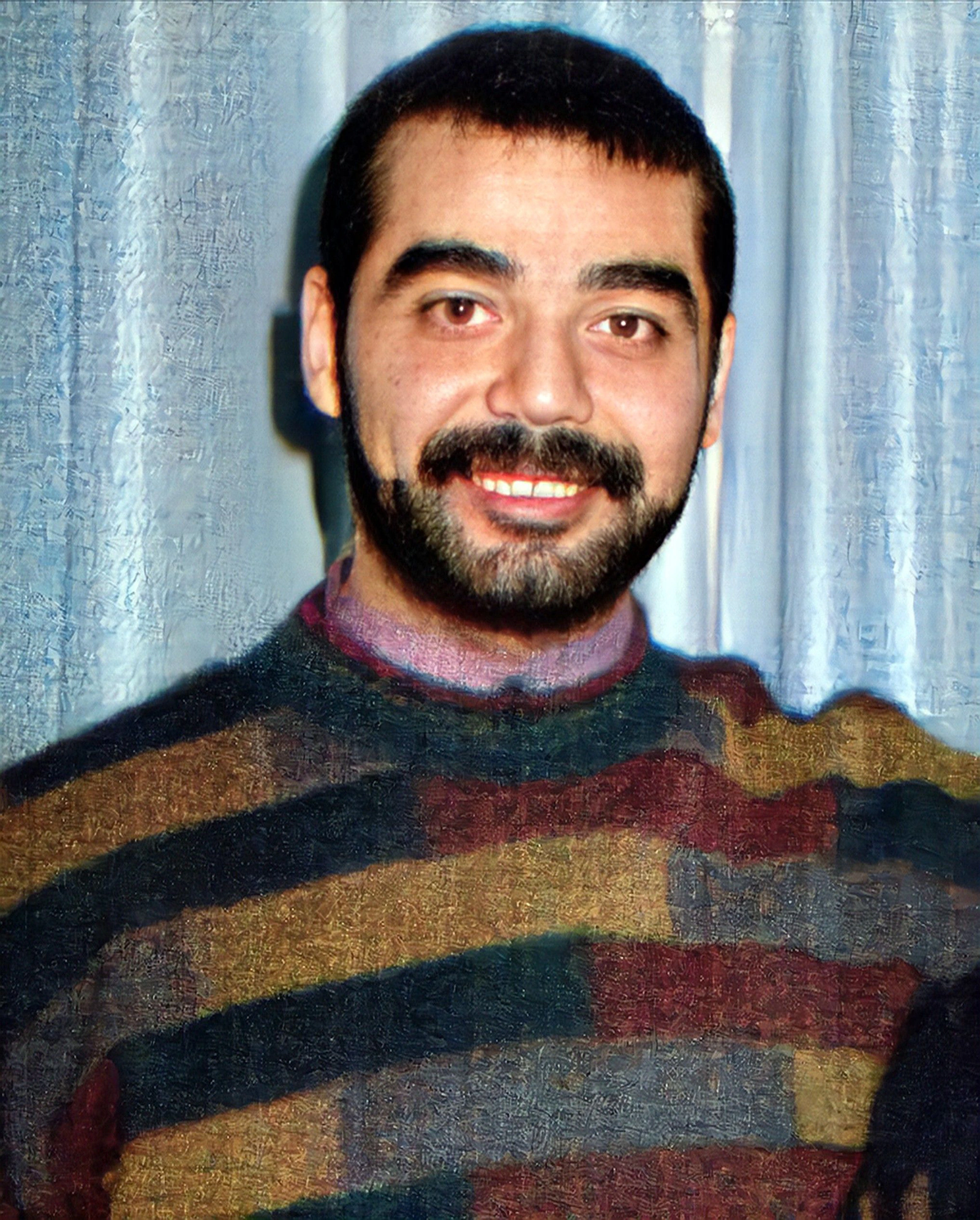
| 1 Quotes | |
| Born as | Uday Saddam Hussein al-Tikriti |
| Occup. | Politician |
| From | Iraq |
| Born | June 18, 1964 Baghdad, Iraq |
| Died | July 22, 2003 Mosul, Iraq |
| Cause | Execution by firing squad |
| Aged | 39 years |
| Cite | |
Citation Formats
APA Style (7th ed.)
Uday hussein biography, facts and quotes. (2026, February 11). FixQuotes. https://fixquotes.com/authors/uday-hussein/
Chicago Style
"Uday Hussein biography, facts and quotes." FixQuotes. February 11, 2026. https://fixquotes.com/authors/uday-hussein/.
MLA Style (9th ed.)
"Uday Hussein biography, facts and quotes." FixQuotes, 11 Feb. 2026, https://fixquotes.com/authors/uday-hussein/. Accessed 25 Mar. 2026.
Early Life and Background
Uday Saddam Hussein al-Tikriti was born on June 18, 1964, in Iraq into the ruling inner circle that would come to define the Baathist state. As the eldest son of Saddam Hussein and Sajida Talfah, he grew up amid the intense security culture of Tikrit-linked clans, palace rivalries, and a government that fused party discipline with family loyalty. From childhood, status was never abstract: it was enforced by armed guards, whispered through patronage networks, and measured by proximity to the presidency.The Iraq that formed him was marked by rapid modernization and equally rapid coercion. By the time Uday was a young man, the Iran-Iraq War had hardened public life into a wartime ethic of sacrifice, propaganda, and surveillance, while oil wealth and sanctions-era scarcity alternately expanded and constricted the privileges of the elite. Uday learned early that violence could be both private impulse and state instrument, and that fear - of enemies, of loss of favor, of the next purge - was a currency as real as dinars.
Education and Formative Influences
He attended elite schools reserved for the regime's families and later studied engineering at the University of Baghdad, though his education mattered less than his apprenticeship inside the presidential system. His formative influences were not philosophers but institutions: the Baath Party's culture of loyalty tests, the Republican Guard's aura, and Saddam's model of rule that treated media, sport, and security as interchangeable tools of control. Uday also absorbed a competitive family dynamic, especially with his younger brother Qusay, whose steadier temperament and closer ties to security organs would later make him the preferred heir.Career, Major Works, and Turning Points
Uday emerged in the late 1980s and 1990s as a powerful, feared figure who operated at the intersection of politics, patronage, and coercion. He chaired the Iraqi Olympic Committee and the Iraq Football Association and ran media outlets including the Babylon newspaper and the youth-oriented television channel al-Shabab, using them to amplify regime narratives and cultivate a personal brand. During the sanctions decade after 1990-1991, he became associated with the informal economies that flourished around the state, while his notoriety for brutality and impunity spread through Baghdad's elite circles. A major turning point came in 1996 when he survived an assassination attempt that left him seriously wounded, limiting his mobility and, according to multiple accounts, narrowing his political prospects relative to Qusay. Another turning point arrived with the 2003 US-led invasion: Uday became a high-value target, and on July 22, 2003, he and Qusay were killed in a firefight with US forces in Mosul after being located through intelligence and local reporting.Philosophy, Style, and Themes
Uday's "philosophy" was less a doctrine than a temperament given institutional reach: rule as domination, prestige as performance, and loyalty as something extracted rather than earned. His public posture blended bravado with grievance, a pattern that intensified after the 1996 shooting when his body became a reminder of vulnerability he refused to concede. In the statement issued after that attack, he framed survival as proof of endurance and providence: “I was hit many times in various parts of the body, including my right leg, and thank God I am recovering”. The sentence is revealing not for humility but for its transactional piety - gratitude deployed as a shield against the political meaning of being successfully targeted.The same message continues with clinical detail that reads like a counter-propaganda bulletin, insisting on continuity of command even as it acknowledges impairment: “I was also severely wounded in my left leg”. The fixation on wounds suggests a psyche that experienced power physically - as inviolability - and therefore experienced injury as an existential challenge. Even his invocation of expertise and allies is political theater: “Iraqi and French doctors will conduct an operation shortly and, God willing, I will recover”. The mention of French doctors signaled status and international reach at a time when Iraq was constrained, while "God willing" maintained the regime's habit of wrapping personal survival in national fate. Across sport, media, and patronage, his style favored spectacle, humiliation, and fear, with the self placed at the center as both benefactor and enforcer.
Legacy and Influence
Uday's legacy is inseparable from the moral wreckage of Saddam-era governance: a cautionary figure illustrating how dynastic authoritarianism can turn institutions - athletics, journalism, youth culture - into extensions of personal coercion. In post-2003 Iraq, stories of his excesses became shorthand for the impunity of the former order, while the gruesome end in Mosul helped mark the regime's final collapse into insurgency and fragmentation. He endures in memory not as a conventional politician but as an emblem of a state where proximity to power could substitute for law, and where private pathology could be amplified into public policy through family rule.Our collection contains 1 quotes written by Uday, under the main topics: Get Well Soon.
Source / external links