
Virginia Satir Biography Quotes 11 Report mistakes
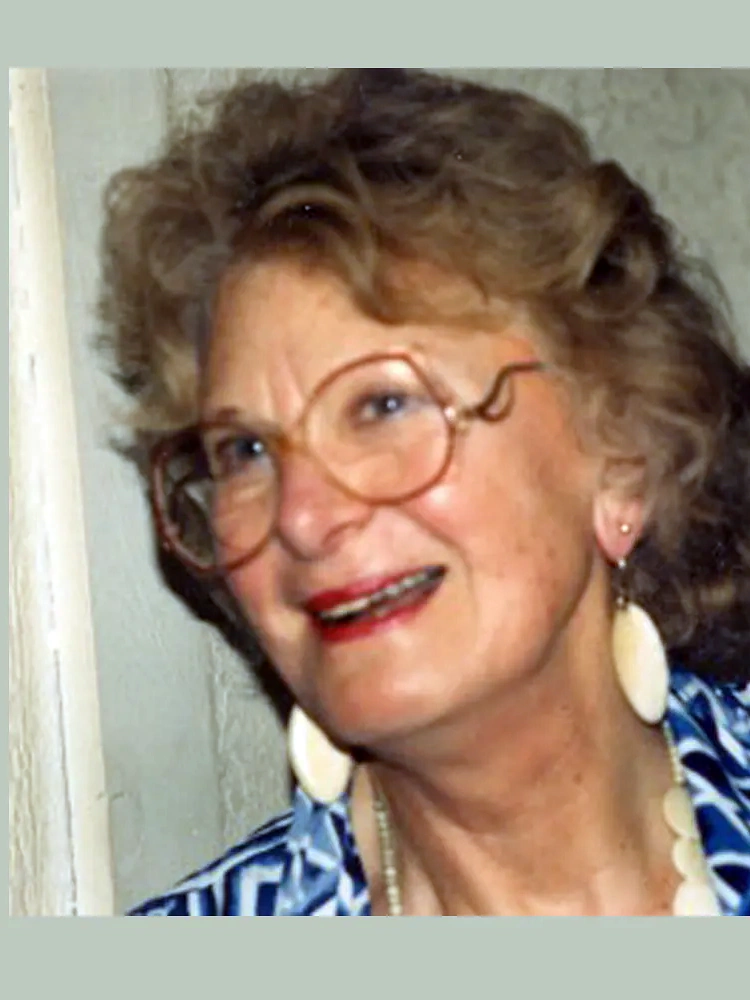
| 11 Quotes | |
| Occup. | Psychologist |
| From | USA |
| Born | June 26, 1916 Neillsville, Wisconsin, USA |
| Died | September 10, 1988 |
| Aged | 72 years |
| Cite | |
Citation Formats
APA Style (7th ed.)
Virginia satir biography, facts and quotes. (2026, February 11). FixQuotes. https://fixquotes.com/authors/virginia-satir/
Chicago Style
"Virginia Satir biography, facts and quotes." FixQuotes. February 11, 2026. https://fixquotes.com/authors/virginia-satir/.
MLA Style (9th ed.)
"Virginia Satir biography, facts and quotes." FixQuotes, 11 Feb. 2026, https://fixquotes.com/authors/virginia-satir/. Accessed 26 Mar. 2026.
Early Life and Background
Virginia Satir was born Virginia Pagenkopf on June 26, 1916, in Neillsville, Wisconsin, the eldest child in a German American farm family shaped by thrift, Lutheran discipline, and the emotional restraint of rural Midwestern life. Her early years unfolded against World War I's aftershock and the churn of the 1920s, a period that rewarded self-control yet often left private suffering unnamed. From the start she watched how tone, silence, and obligation organized a household as surely as money did, and she stored these observations long before she had language like "system" or "communication" to describe them.A severe childhood illness that led to emergency surgery became a private turning point: Satir later framed the experience as an awakening to how adults make decisions under fear and how a child's inner world can be overlooked. The Great Depression then reinforced her sensitivity to stress inside families - not only economic stress but the emotional constriction that arrives when people feel powerless. What she carried forward was a conviction that pain was often relationally maintained and that relief required more than advice; it required a different way of being with one another.
Education and Formative Influences
Satir trained first as a teacher, then moved decisively toward social work and mental health, earning graduate preparation at the University of Chicago's School of Social Service Administration in the 1940s, when psychiatry and psychoanalysis dominated American clinical prestige and family life was treated mainly as background. The era also brought new currents - group dynamics, communication theory, and humanistic psychology - and she absorbed them with a pragmatist's eye. Her early professional years in schools and agencies taught her that symptoms in children were often reasonable adaptations to the emotional climate of adults, and that changing a family required changing patterns, not finding a single culprit.Career, Major Works, and Turning Points
By the 1950s Satir had become a pioneering family therapist in California, helping found the Mental Research Institute in Palo Alto in 1959 alongside other innovators who were replacing intrapsychic explanations with interactional ones. She became known for vivid, experiential sessions that brought posture, voice, and unspoken rules into view, culminating in tools like "family sculpting" and her communication stances (placating, blaming, superreasonable, irrelevant, and congruent). Her teaching and workshops carried these methods internationally, and her books - notably Conjoint Family Therapy (1964) and Peoplemaking (1972) - translated clinical technique into a public language of self-worth, choice, and change. A late-career culmination was The New Peoplemaking (1988), published the year she died, as she pushed her model toward larger questions of culture, peace, and the transmission of violence across generations.Philosophy, Style, and Themes
Satir's psychology began with the premise that beneath defensive behavior lies a hunger for connection and dignity. Her work treated the family as the first "emotional classroom" where people learn what they are allowed to feel, say, and want. She argued that self-worth was not an abstract trait but a daily social experience, most powerfully shaped by communication and rules inside the home: “Feelings of worth can flourish only in an atmosphere where individual differences are appreciated, mistakes are tolerated, communication is open, and rules are flexible - the kind of atmosphere that is found in a nurturing family”. This was not sentimentalism; it was a clinical map of conditions that reduce shame and make change possible.Her style blended warmth with confrontation, often moving through the body - breath, gesture, and eye contact - to reach what language had defended against. She insisted that resilience is not the denial of hardship but a practiced response to it: “Life is not what it's supposed to be. It's what it is. The way you cope with it is what makes the difference”. In Satir's inner logic, coping was not mere grit; it was the capacity to stay congruent, to speak truth without cruelty, and to tolerate difference without collapse. Even her famous "hugs" line functioned less as prescription than as metaphor for emotionally nutritious contact in an alienating age: “We need 4 hugs a day for survival. We need 8 hugs a day for maintenance. We need 12 hugs a day for growth”. The exaggeration was the point - she wanted audiences to feel how starved modern families could become for safe touch, affirmation, and repair.
Legacy and Influence
Satir died on September 10, 1988, in California, leaving behind a body of work that helped legitimize family therapy as a field and widened its moral vocabulary. She influenced marriage and family therapy training, experiential and humanistic practice, and later integrative approaches that borrow her focus on self-esteem, congruent communication, and patterned interaction. Her concepts traveled beyond clinics into education, corporate training, and popular psychology, sometimes diluted but enduring because they addressed an ordinary crisis with uncommon precision: people do not break down only from events, but from the messages they receive about their value while trying to endure them.Our collection contains 11 quotes written by Virginia, under the main topics: Love - Learning - Resilience - Parenting - Confidence.