
Warren G. Bennis Biography Quotes 21 Report mistakes
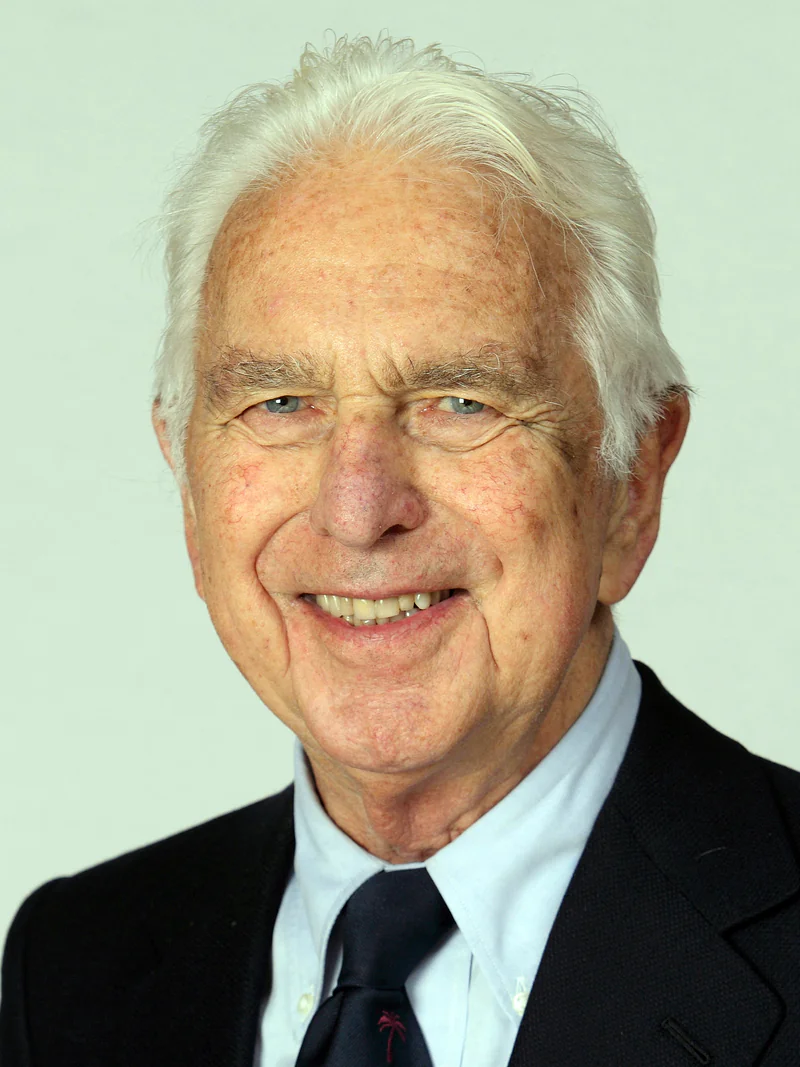
Attr: The New York Times
| 21 Quotes | |
| Born as | Warren Gamaliel Bennis |
| Known as | Warren Bennis |
| Occup. | Psychologist |
| From | USA |
| Born | March 8, 1925 New York City, USA |
| Died | July 31, 2014 Los Angeles, California, USA |
| Aged | 89 years |
| Cite | |
Citation Formats
APA Style (7th ed.)
Warren g. bennis biography, facts and quotes. (2026, February 11). FixQuotes. https://fixquotes.com/authors/warren-g-bennis/
Chicago Style
"Warren G. Bennis biography, facts and quotes." FixQuotes. February 11, 2026. https://fixquotes.com/authors/warren-g-bennis/.
MLA Style (9th ed.)
"Warren G. Bennis biography, facts and quotes." FixQuotes, 11 Feb. 2026, https://fixquotes.com/authors/warren-g-bennis/. Accessed 12 Feb. 2026.
Early Life and Background
Warren Gamaliel Bennis was born on March 8, 1925, in New York City, and came of age during the Depression and World War II, when the modern administrative state and the large corporation were rapidly expanding. That era imprinted him with a lifelong question: how do institutions that claim rationality and efficiency end up producing conformity, drift, or moral failure, and what kind of person can resist those pressures without becoming a charismatic tyrant?In 1943 he enlisted in the U.S. Army and served as an infantry officer in Europe, an experience that confronted him early with fear, authority, and the practical difference between rank and real influence. The war gave him a working knowledge of how people actually follow - not as abstractions in a chart, but as human beings who test leaders for competence, honesty, and steadiness under stress. Those lessons would later surface in his insistence that leadership is learned in adversity and revealed in relationships rather than titles.
Education and Formative Influences
After the war Bennis used the GI Bill to pursue higher education, earning a BA from Antioch College and then graduate degrees at the Massachusetts Institute of Technology, where he completed a PhD in social science in 1955. At MIT he absorbed the emerging postwar synthesis of psychology, sociology, and organizational theory: group dynamics, the limits of bureaucracy, and the promise of planned change. He also encountered the early human-relations tradition and the growing critique of authoritarian systems, influences that pushed him toward a psychologically informed view of organizations as emotional as well as economic systems.Career, Major Works, and Turning Points
Bennis taught at several institutions and became known as a bridge figure between academic research and the practical world of executives, later serving as president of the University of Cincinnati (1971-1977) during a turbulent period for American higher education. His reputation reached widest audiences through writing and advising: his classic text "On Becoming a Leader" (1989) and, with Burt Nanus, "Leaders: Strategies for Taking Charge" (1985) helped define late-20th-century leadership studies. As a longtime University of Southern California professor and founding executive director of the USC Leadership Institute, he shaped generations of managers, public officials, and scholars, arguing that leadership is not a personality cult but a discipline grounded in self-knowledge, trust, and institutional purpose.Philosophy, Style, and Themes
Bennis wrote with a clinician's ear for inner life and a civic reformer's impatience with empty procedure. He separated management - control, measurement, and routine - from leadership as the craft of meaning-making and moral direction, insisting that organizations decay when they confuse the two. His language was direct and aphoristic, but the psychology beneath it was subtle: leadership begins when a person stops performing an assigned self and starts integrating experience, values, and ambition into a coherent identity.That idea appears most plainly in his insistence that "Becoming a leader is synonymous with becoming yourself. It is precisely that simple, and it is also that difficult". The sentence is not self-help; it is a diagnosis of the executive mask, the fear of exposure, and the temptation to hide behind technique. He also warned that a fixation on metrics can replace judgment, compressing time horizons until purpose disappears: "Leaders keep their eyes on the horizon, not just on the bottom line". In the background is his belief that followership is a relationship of consent and interpretation, and therefore "Trust is the lubrication that makes it possible for organizations to work". - a psychologically precise claim about anxiety, credibility, and the costs of suspicion in complex systems.
Legacy and Influence
Bennis died on July 31, 2014, in the United States, leaving a vocabulary that still structures how people distinguish leadership from administration, especially in business schools and executive education. He helped move leadership studies away from trait worship and toward development, character, and context, influencing later work on authentic leadership, organizational culture, and ethical governance. In an age of automation, globalized firms, and public distrust, his central wager endures: that institutions remain human creations, and that the quality of their leaders is ultimately a psychological and moral achievement as much as a technical one.Our collection contains 21 quotes written by Warren, under the main topics: Witty One-Liners - Motivational - Wisdom - Leadership - Learning.