
Wilfred Owen Biography Quotes 22 Report mistakes
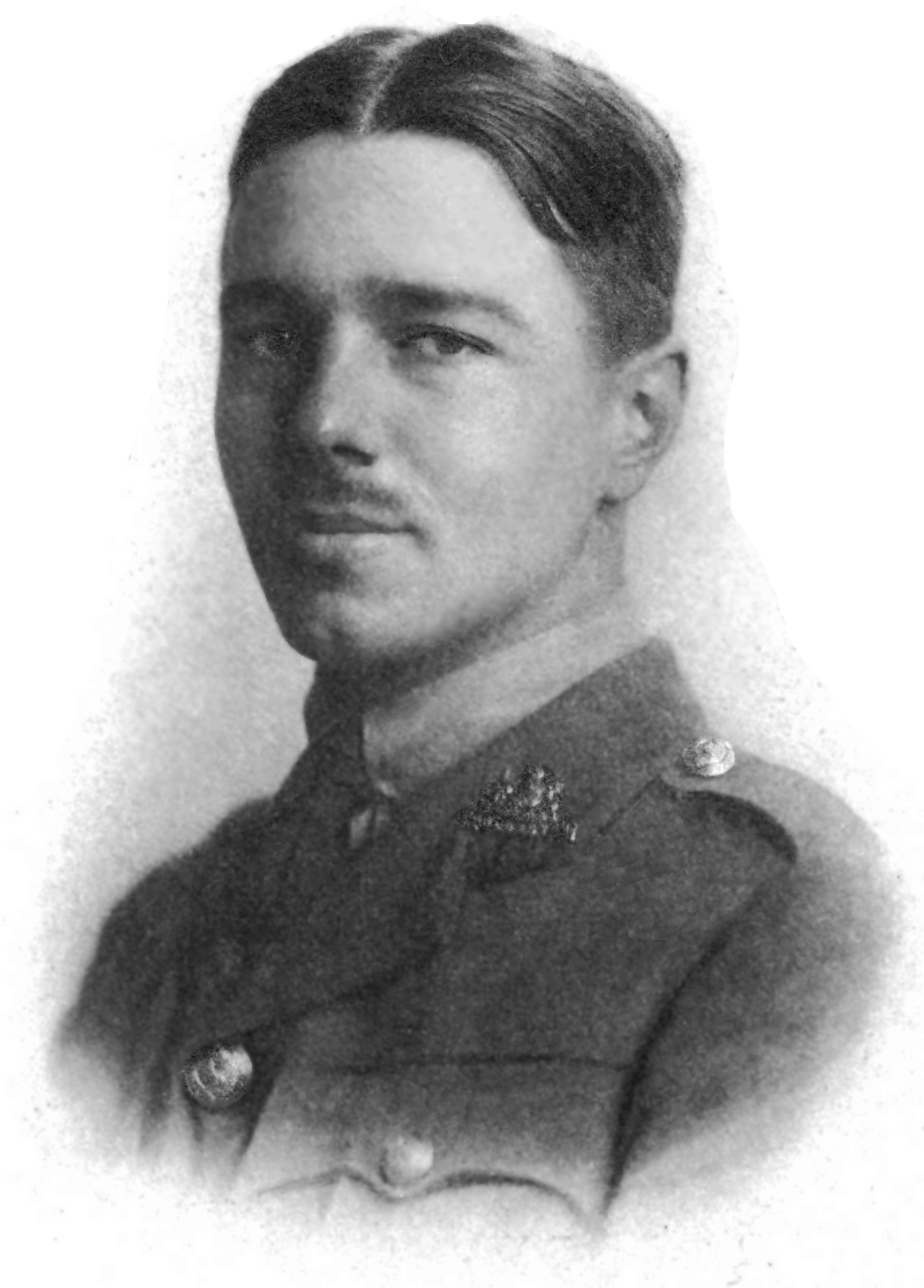
| 22 Quotes | |
| Occup. | Soldier |
| From | England |
| Born | March 18, 1893 |
| Died | November 4, 1918 |
| Aged | 25 years |
| Cite | |
Citation Formats
APA Style (7th ed.)
Wilfred owen biography, facts and quotes. (2026, February 11). FixQuotes. https://fixquotes.com/authors/wilfred-owen/
Chicago Style
"Wilfred Owen biography, facts and quotes." FixQuotes. February 11, 2026. https://fixquotes.com/authors/wilfred-owen/.
MLA Style (9th ed.)
"Wilfred Owen biography, facts and quotes." FixQuotes, 11 Feb. 2026, https://fixquotes.com/authors/wilfred-owen/. Accessed 12 Feb. 2026.
Early Life and Family
Wilfred Edward Salter Owen was born on 18 March 1893 in Oswestry, Shropshire, into a lower middle-class family whose fortunes rose and fell with his father's railway career. His parents, Thomas Owen, a railway official, and Susan (n e Shaw) Owen, a devout and intellectually ambitious mother, shaped his early character. Susan's closeness to her eldest son remained a constant; their letters reveal a relationship of deep affection and shared literary interests. The family moved repeatedly for Thomas's work, living in Birkenhead and later Shrewsbury, and Wilfred adapted to new schools and surroundings with sensitivity that would later infuse his poetry. He had siblings, including his younger brother Harold Owen, who would become a crucial steward of Wilfred's papers and memory.Education and Formation
Owen attended the Birkenhead Institute and Shrewsbury Technical School, flourishing in English and developing an early love for Keats, Shelley, and the Bible. He wrote precociously, attempting sonnets and long descriptive poems, and he nurtured an aspiration to make poetry his vocation. Between 1911 and 1913 he worked as a lay assistant to a vicar in Dunsden, near Reading, visiting parishioners and encountering rural poverty and illness at close range. The moral unease and compassion he felt there seeded the social conscience that later distinguished his war poems. After failing to secure a scholarship for formal university study, he left England to tutor in Bordeaux and Bagn res, experiences that polished his French and broadened his cosmopolitan outlook just before war overtook Europe.Enlistment and Early War Experience
Returning to Britain in 1915, Owen joined the Artists Rifles Officers' Training Corps, and in 1916 he received a commission in the Manchester Regiment. He reached the Western Front late that year and served in trenches near the Somme and at St. Quentin. Exposure to bombardment, mud, and the strain of command over young soldiers shattered his earlier romantic ideas about military glory. In the winter and spring of 1917 he endured traumatic shell explosions and was diagnosed with neurasthenia, then commonly called shell shock. Evacuated to Craiglockhart War Hospital in Edinburgh, he entered a community of recuperating officers whose conversations, guided therapy, and shared reading transformed his understanding of what poetry could do.Craiglockhart and Literary Awakening
At Craiglockhart in 1917, Owen met Siegfried Sassoon, whose fierce, satirical poems and principled protest against the war gave Owen both a model and a mentor. Sassoon recognized the younger man's talent, marked up drafts, and urged him to write with truthful pity and formal precision. Under Sassoon's influence, Owen revised and composed major works, adopting half-rhyme (pararhyme), dissonant rhythms, and plainspoken diction to convey the pity of war. He edited the hospital magazine, The Hydra, published poems and prose there, and was treated by Dr. Arthur Brock, whose emphasis on purposeful work as therapy encouraged Owen to channel trauma into disciplined creative labor. Through Sassoon he also encountered the wider circle of soldier-poets, including Robert Graves, whose presence reinforced Owen's determination to return to the front as both officer and witness.Return to Duty and Final Campaigns
In 1918, after a period of home service and training at Ripon, Owen rejoined the Manchesters in France. That spring and autumn he led men during the Allied advances following the German offensives. On actions near Joncourt in October 1918 he showed conspicuous bravery, an episode for which he was awarded the Military Cross. His leadership combined tactical competence with tenderness toward his men, whom he considered the true subjects of his art. On 4 November 1918, while leading an assault across the Sambre, Oise Canal at Ors, he was killed in action. The war ended a week later; in a tragic emblem of the times, Susan Owen reportedly received the telegram announcing her son's death as church bells tolled for the Armistice on 11 November.Poetic Achievement and Themes
Owen's surviving oeuvre, composed largely between 1917 and 1918, is small but singularly influential. Poems such as Anthem for Doomed Youth, Dulce et Decorum Est, Futility, Exposure, Strange Meeting, Disabled, and Insensibility reject bombast and patriotic cliche, replacing them with compassion, sensory precision, and formal experiment. He fused Romantic lyricism with modern disillusion, using pararhyme and broken cadences to mimic the shock of experience. His Christianity, inherited from Susan Owen, remained vital yet troubled; poems like Futility and At a Calvary near the Ancre wrestle with suffering and the value of sacrifice without surrendering to cynicism. As he told his mother, the true subject of his work was "the pity of War", and his task was to speak for the soldiers who could not.Posthumous Publication and Reputation
Owen died before seeing a volume of his poems in print. His manuscripts, safeguarded by his family, especially Harold Owen, were edited by friends and fellow poets. In 1920 a selection, arranged with an introduction by Siegfried Sassoon and issued by Chatto and Windus, brought Owen's voice to a wider readership. The book's success led to further editions and expansions, notably under the guidance of Edmund Blunden, who helped to establish a more complete and accurate text and advocated for Owen's centrality in the literature of the Great War. Teachers, critics, and poets recognized in his work an ethical clarity and technical innovation that reshaped English war poetry.Character and Relationships
Those who knew Owen recalled his gentleness, humor, and quiet intensity, a manner that made him both a trusted officer and a loyal friend. His correspondence shows unwavering devotion to Susan Owen and affectionate bonds with his siblings, with Harold serving later as curator of Wilfred's legacy and interpreter of his private life. Among literary comrades, Sassoon's mentorship stands out as decisive; their friendship at Craiglockhart catalyzed Owen's breakthrough. The intellectual companionship of Robert Graves and the therapeutic guidance of Dr. Arthur Brock further sustained his recovery and craft.Legacy
Wilfred Owen's life, cut short at twenty-five, epitomizes the fate of a generation. Yet his poems outlived the war that killed him, becoming touchstones for readers confronting the realities of mechanized conflict and moral responsibility. He gave English poetry a lexicon for pain and empathy that continues to instruct and console. Each new edition, each staging of his lines in classrooms and memorials, testifies to the enduring force of a young officer who learned, in the midst of catastrophe, to tell the truth beautifully.Our collection contains 22 quotes written by Wilfred, under the main topics: Sarcastic - Hope - Poetry - Peace - Faith.
Other people related to Wilfred: Derek Jarman (Director), Benjamin Britten (Composer), Paul Fussell (Historian)
Source / external links