
Will Durant Biography Quotes 35 Report mistakes
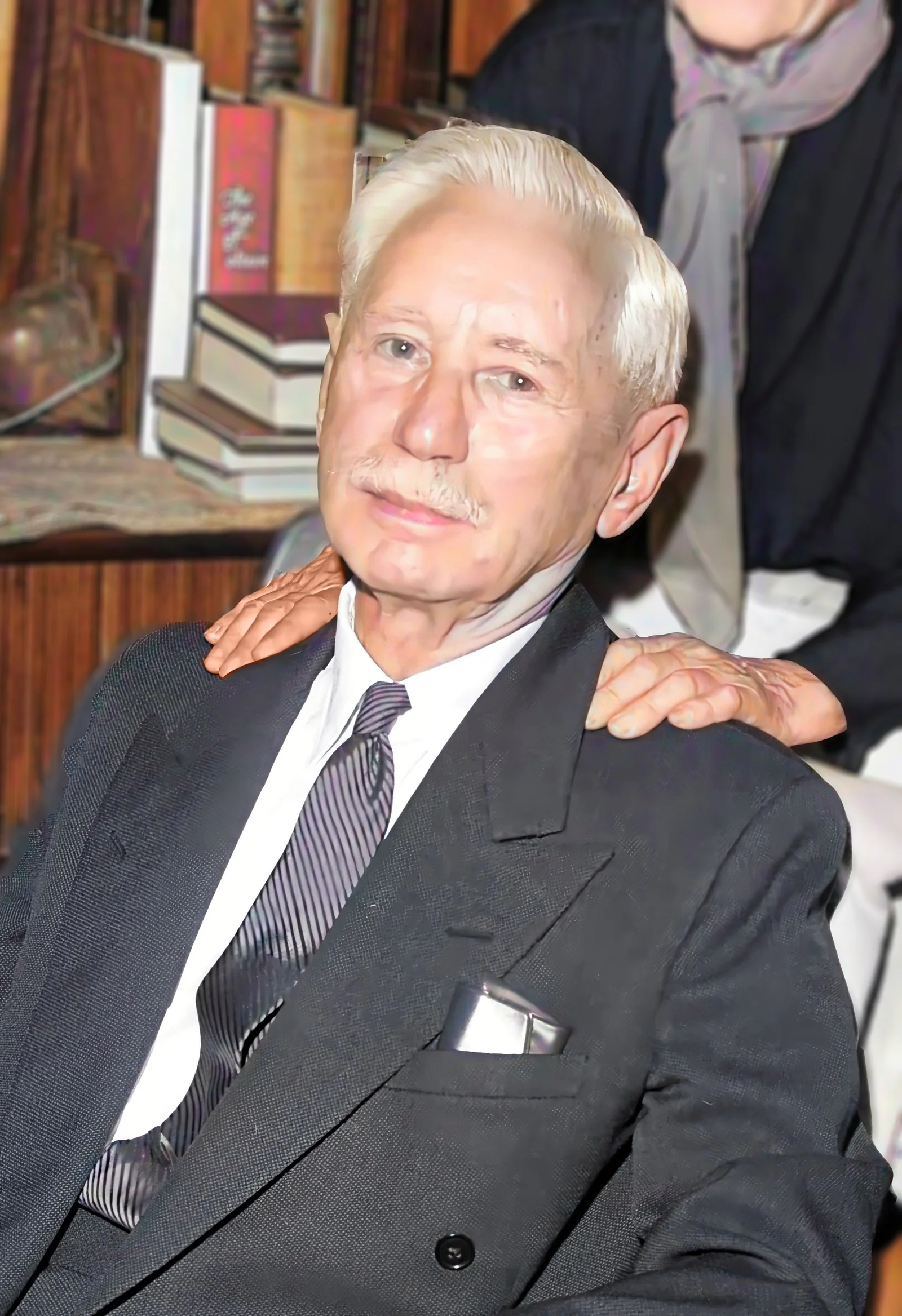
| 35 Quotes | |
| Born as | William James Durant |
| Occup. | Historian |
| From | USA |
| Born | November 5, 1885 North Adams, Massachusetts, USA |
| Died | November 7, 1981 Los Angeles, California, USA |
| Cause | Heart Attack |
| Aged | 96 years |
| Cite | |
Citation Formats
APA Style (7th ed.)
Will durant biography, facts and quotes. (2026, February 2). FixQuotes. https://fixquotes.com/authors/will-durant/
Chicago Style
"Will Durant biography, facts and quotes." FixQuotes. February 2, 2026. https://fixquotes.com/authors/will-durant/.
MLA Style (9th ed.)
"Will Durant biography, facts and quotes." FixQuotes, 2 Feb. 2026, https://fixquotes.com/authors/will-durant/. Accessed 6 Mar. 2026.
Early Life and Background
William James Durant was born on November 5, 1885, in North Adams, Massachusetts, to French-Canadian Catholic parents, Joseph and Mary Allard Durant. In a mill-town New England of immigrant parishes and factory rhythms, he absorbed two disciplines early: the Churchs moral vocabulary and the working familys respect for steadiness. That combination - reverence for tradition, impatience with empty piety - would later animate his lifelong attempt to translate elite learning into usable wisdom for ordinary readers.As a young man he moved between worlds: the devotional confidence of Catholic schooling and the widening American city, where industrial capitalism, labor agitation, and new ideas collided. Before he became a famous historian, he experienced the era as a social worker and teacher confronting poverty not as an abstraction but as a daily texture. The early tension in his inner life - between certainty and inquiry - never disappeared; it simply migrated from theology to history, where he sought patterns strong enough to carry meaning without requiring dogma.
Education and Formative Influences
Durant was educated by Jesuits at St. Peters College in New Jersey, then taught briefly before entering the School of Philosophy at Columbia University, where he studied under John Dewey and completed a PhD (1917) on philosophy. Deweys pragmatism, the Progressive Era faith in education, and the ferment of Greenwich Village (including his work at the Ferrer School, a radical modern school in New York) pushed him away from clerical authority toward an ethics grounded in human needs, social institutions, and historical consequences.Career, Major Works, and Turning Points
Durants breakthrough came from public lectures that became "The Story of Philosophy" (1926), a bestseller that made him a national interpreter of ideas. In 1929 he married Ariel Kaufman, his essential collaborator; together they turned from philosophy to the audacious multivolume "The Story of Civilization" (1935-1975), published by Simon and Schuster and read across generations. The series moved from "Our Oriental Heritage" and "The Life of Greece" to "Caesar and Christ", "The Age of Faith", and beyond, culminating in "The Age of Napoleon" (1975). Their method - synthesizing scholarship into sweeping narrative - drew both admiration and criticism, but the turning point was clear: Durant chose the role of bridge-builder, writing not for specialists but for a mass public hungry for intelligible history during depression, world wars, and Cold War anxiety.Philosophy, Style, and Themes
Durants central psychological impulse was to rescue coherence from modern fragmentation. He did not treat civilization as a straight line of progress, but as a precarious achievement of institutions, habits, and restraints: “Civilization begins with order, grows with liberty and dies with chaos”. The sentence is less a slogan than a self-portrait of his anxieties - the fear that freedom without form curdles into violence, and the conviction that culture is a moral technology assembled slowly and lost quickly. Relatedly, his often-cited caution that “Civilization exists by geological consent, subject to change without notice”. reveals a temperament attuned to contingency: empires, like coastlines, can collapse from pressures invisible to the confident present.His style married classroom clarity to novelistic scene-setting, turning thinkers and statesmen into characters shaped by hunger, sex, faith, trade, and war. Yet beneath the panoramic sweep was a pedagogy aimed at civic stability - history as immunization against fanaticism and short memory. “Education is the transmission of civilization”. captures both his mission and his marital partnership with Ariel: to distill inherited experience into portable insight, without claiming final certainty. Even when he sounded authoritative, he wrote as a man aware that knowledge expands at the edge of ignorance, and that societies survive less by brilliance than by durable family life, disciplined institutions, and a cultivated sense of limits.
Legacy and Influence
Durant died on November 7, 1981, in Los Angeles, two days after his ninety-sixth birthday, leaving behind one of the twentieth centurys most widely read historical narratives. Academic historians often faulted the Durants for overgeneralization and selective emphasis, but their influence is hard to overstate: they helped build the American market for serious nonfiction, modeled synthesis as a literary art, and introduced millions to a comparative view of cultures long before "world history" became a standard course label. For readers, Durant remains a companionable authority - not an archivist of footnotes, but a moral historian asking what habits make civilization livable, and how fragile those habits become when societies forget the human costs that built them.Our collection contains 35 quotes written by Will, under the main topics: Witty One-Liners - Ethics & Morality - Wisdom - Truth - Freedom.
Other people related to Will: Ariel Durant (Author)
Frequently Asked Questions
- Will Durant books in order: Key works include 'The Story of Philosophy', followed by 'The Story of Civilization' series, starting with 'Our Oriental Heritage'.
- Will Durant Civilization: Durant explored the growth and progress of human societies in 'The Story of Civilization'.
- Will and Ariel Durant death: Will Durant died on November 7, 1981; Ariel Durant died on October 25, 1981.
- Will and Ariel Durant books: Their notable series is 'The Story of Civilization' spanning 11 volumes.
- How old was Will Durant? He became 96 years old
Source / external links