
Willa Cather Biography Quotes 32 Report mistakes
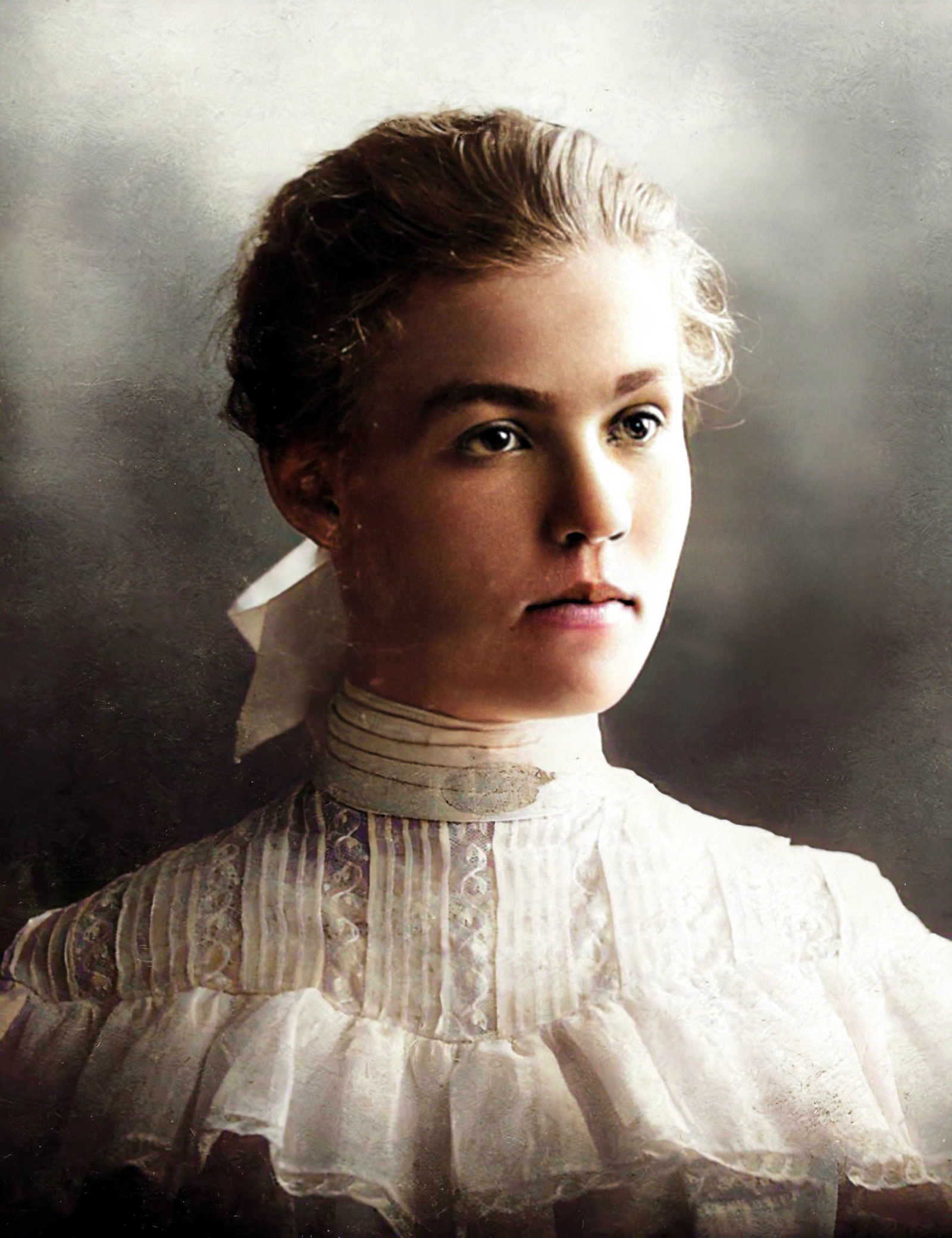
| 32 Quotes | |
| Born as | Willa Sibert Cather |
| Occup. | Author |
| From | USA |
| Born | December 7, 1873 Gore, Virginia near Winchester, Virginia |
| Died | April 24, 1947 New York City, New Yor |
| Cause | Stroke |
| Aged | 73 years |
| Cite | |
Citation Formats
APA Style (7th ed.)
Willa cather biography, facts and quotes. (2026, February 11). FixQuotes. https://fixquotes.com/authors/willa-cather/
Chicago Style
"Willa Cather biography, facts and quotes." FixQuotes. February 11, 2026. https://fixquotes.com/authors/willa-cather/.
MLA Style (9th ed.)
"Willa Cather biography, facts and quotes." FixQuotes, 11 Feb. 2026, https://fixquotes.com/authors/willa-cather/. Accessed 4 Mar. 2026.
Early Life and Background
Willa Sibert Cather was born on December 7, 1873, in Back Creek Valley near Winchester, Virginia, into a family shaped by post-Civil War dislocation and the long aftershocks of Reconstruction. The rural Shenandoah world of orchards, debt, and inherited memory - still haunted by wartime loss - gave her an early sense of history as something lived inside households rather than recorded in textbooks.In 1883, when she was nine, the Cathers joined the great internal migration west and settled in Webster County, Nebraska, first on the open prairie near Red Cloud. The move reoriented her imagination: instead of Virginia's layered past, she faced an immense present, raw weather, hard labor, and a polyglot immigrant culture of Scandinavian, Bohemian, German, and other settlers. Those neighbors, and the rituals that helped them endure, became her earliest gallery of moral strength and loneliness - the frontier as both promise and ordeal.
Education and Formative Influences
Cather attended the University of Nebraska in Lincoln (then the University of Nebraska-Lincoln), graduating in 1895, and remade herself there from aspiring physician to writer through journalism, classical reading, and theater criticism. Under the influence of professor and editor Louise Pound and the university's literary circles, she trained her eye on voice, scene, and rhythm, learning to judge performance and prose with a critic's severity. Lincoln also taught her the discipline of making art in public: she wrote steadily for newspapers and magazines, adopted a brisk professional persona, and began the lifelong habit of shaping personal experience into chosen, controlled narrative.Career, Major Works, and Turning Points
After early reporting and editing in Pittsburgh, she moved to New York in 1906 to work at McClure's Magazine, rising to managing editor while absorbing the era's reform journalism and the machinery of modern publishing. She published her first novel, Alexander's Bridge (1912), then broke through with O Pioneers! (1913), The Song of the Lark (1915), and My Antonia (1918), the prairie trilogy that fixed her name to the American West while refusing its easy myths. A key turning point came as she withdrew from editorial life to protect her writing time, later turning from Nebraska to older American and European inheritances in One of Ours (1922, Pulitzer Prize), A Lost Lady (1923), The Professor's House (1925), Death Comes for the Archbishop (1927), and Shadows on the Rock (1931). The market's taste shifted in the Depression years, and younger writers mocked her "romanticism", but she continued to publish with exacting standards, guarding privacy and revising her past into art until her death in New York City on April 24, 1947.Philosophy, Style, and Themes
Cather believed the deepest ore of a writer's material lay early, before adulthood's explanations smoothed experience into cliche. “Most of the basic material a writer works with is acquired before the age of fifteen”. That conviction illuminates her return, again and again, to childhood perception: the shock of distance, the holiness of weather, the strange bravery of immigrants, and the way desire forms in silence. Her own inner life - guarded, proud, and meticulous - appears in her preference for indirection, for letting the unsaid carry the most pressure: love that cannot be declared, ambition that costs intimacy, faith that must live without guarantees.Her style condensed as she matured: fewer authorial explanations, more luminous selection, and a sense of structure built from memory's logic rather than plot's bustle. “Some memories are realities, and are better than anything that can ever happen to one again”. In novels like My Antonia and The Professor's House, remembrance is not nostalgia but a rival world that judges the present, a private standard of wholeness that modern life cannot reproduce. Yet she was no sentimentalist about hardship; she knew education came through comfort and catastrophe alike. “There are some things you learn best in calm, and some in storm”. That line fits her prairie heroines and her bishops and professors: characters tested by isolation, loss, and the long work of endurance, who discover that meaning is fashioned from attention, loyalty, and the courage to keep going.
Legacy and Influence
Cather endures as one of the great stylists of American prose and a definitive interpreter of settlement-era America, not as booster or chronicler but as a maker of concentrated human dramas set against immense landscapes. Her influence runs through later regional and historical fiction, through writers who treat place as moral force and memory as narrative engine, and through anyone seeking a modern clarity that still makes room for reverence. She also remains a complicated emblem: a fiercely private artist who transformed immigrant stories into national literature, insisted on craft over confession, and proved that the American novel could be at once spare, lyrical, and severe.Our collection contains 32 quotes written by Willa, under the main topics: Motivational - Wisdom - Truth - Art - Friendship.
Other people related to Willa: Dorothy Canfield Fisher (Author), Sarah Orne Jewett (Author), Alfred A. Knopf (Publisher)
Willa Cather Famous Works
- 1940 Sapphira and the Slave Girl (Novel)
- 1927 Death Comes for the Archbishop (Novel)
- 1923 A Lost Lady (Novel)
- 1922 One of Ours (Novel)
- 1918 My Ántonia (Novel)
- 1915 The Song of the Lark (Novel)
- 1913 O Pioneers! (Novel)
Source / external links