
William S. Burroughs Biography Quotes 38 Report mistakes
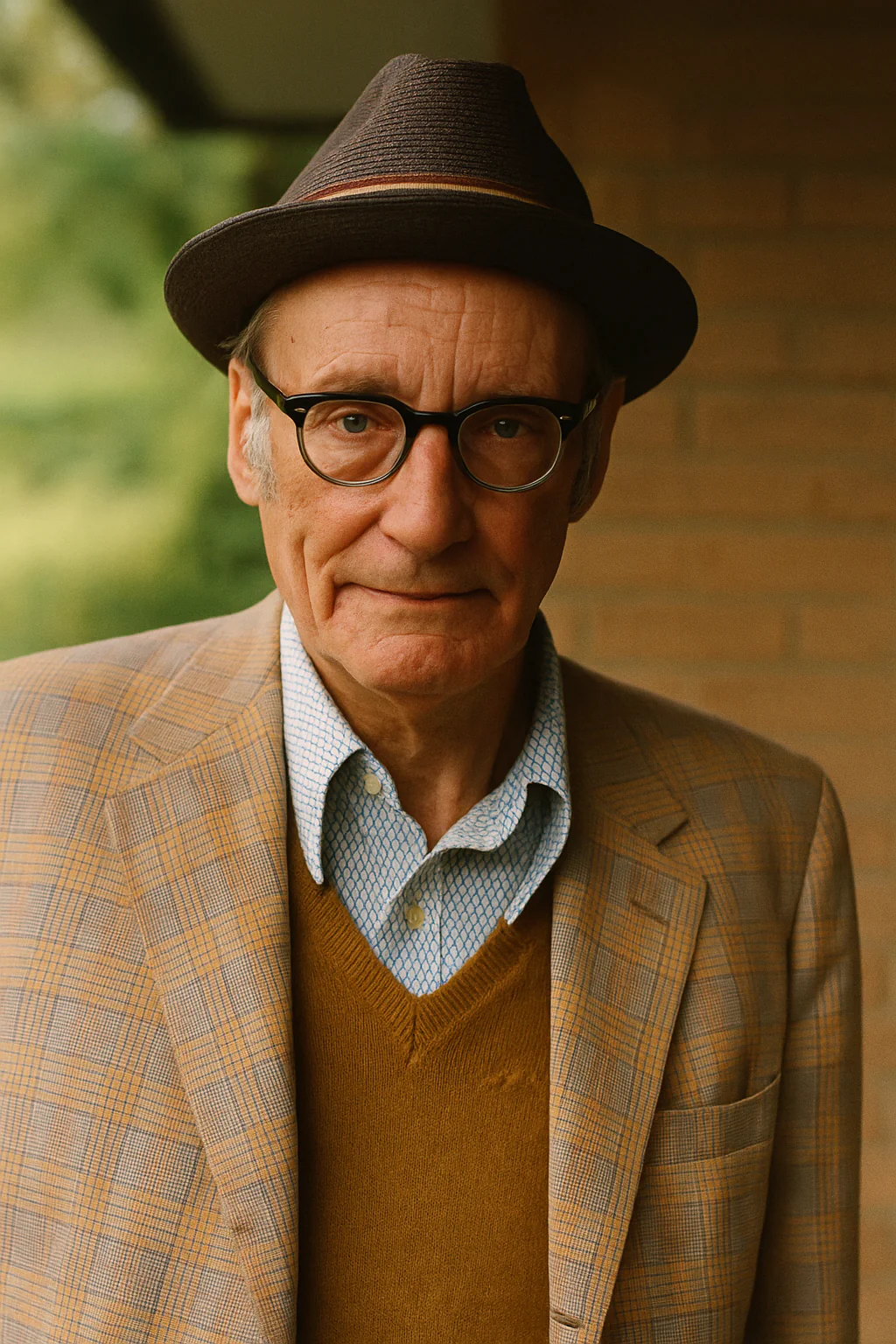
| 38 Quotes | |
| Born as | William Seward Burroughs II |
| Occup. | Writer |
| From | USA |
| Born | February 5, 1914 St. Louis, Missouri, USA |
| Died | August 2, 1997 Lawrence, Kansas, USA |
| Cause | heart attack |
| Aged | 83 years |
| Cite | |
Citation Formats
APA Style (7th ed.)
William s. burroughs biography, facts and quotes. (2026, February 9). FixQuotes. https://fixquotes.com/authors/william-s-burroughs/
Chicago Style
"William S. Burroughs biography, facts and quotes." FixQuotes. February 9, 2026. https://fixquotes.com/authors/william-s-burroughs/.
MLA Style (9th ed.)
"William S. Burroughs biography, facts and quotes." FixQuotes, 9 Feb. 2026, https://fixquotes.com/authors/william-s-burroughs/. Accessed 12 Feb. 2026.
Early Life and Background
William Seward Burroughs II was born on February 5, 1914, in St. Louis, Missouri, into a family whose name carried both money and machinery. His grandfather founded the Burroughs Adding Machine Company, and the young Burroughs grew up amid the anxieties of American respectability: servants, private schools, and the tacit demand that a bright son convert privilege into a conventional career. Even early, he felt himself slightly out of phase with the world around him - an observer with a cold eye for power, shame, and the bargains people make to belong.That distance hardened into a life pattern: drifting, testing limits, and watching the self as if it were another specimen. He lived as a gay man in an era that criminalized and pathologized his desires, learning early how institutions - family, police, medicine - enforce their definitions of normal. The Great Depression and the approach of World War II formed the backdrop to his adulthood, yet he was less interested in patriotic narratives than in the hidden economies of addiction, policing, and coercion that thrive in any system.
Education and Formative Influences
Burroughs attended Harvard University (graduating in 1936), absorbing literature, anthropology, and the habits of an archivist - note cards, dossiers, a fascination with how information becomes control. After Harvard he drifted through Europe and later took classes in medicine and anthropology, never settling into a profession. In New York in the 1940s he became central to the emerging Beat circle, close to Allen Ginsberg, Jack Kerouac, and Lucien Carr; their friendships were both literary and practical, forged through poverty, drugs, and a shared suspicion of postwar American conformity. Burroughs also learned from the street: hustlers, addicts, and petty criminals became his informal university, teaching him how desire is managed by markets and law.Career, Major Works, and Turning Points
His writing career began in earnest after an event that permanently fused guilt with artistic necessity: in 1951 in Mexico City, during a drunken "William Tell" stunt, he fatally shot his common-law wife Joan Vollmer. He later described the death as the shock that forced him to become a writer. Early work included Junkie (1953) and Queer (written 1952-53, published later), blunt anatomies of dependency and outlaw sexuality drawn from lived experience. In Tangier, amid heroin addiction and expatriate drift, he produced Naked Lunch (published 1959/1962 amid obscenity battles), a hallucinatory montage that made his reputation. In the 1960s, collaborating with Brion Gysin, he developed the cut-up method and wrote the Nova Trilogy - The Soft Machine, The Ticket That Exploded, and Nova Express - then later works such as The Wild Boys (1971), Cities of the Red Night (1981), and The Western Lands (1987). He spent later decades between Europe and the United States, settling in Lawrence, Kansas, where sobriety, routine, and late-life clarity coexisted with the same forensic attention to compulsion.Philosophy, Style, and Themes
Burroughs wrote as if the self were a contested territory rather than a stable narrator. Addiction is his primary lens, not as melodrama but as a model of modern governance: the dealer, the cop, the doctor, the advertiser - all are variations on control. His most famous idea frames speech itself as an invasive mechanism: "Language is a virus from outer space". The line is less science fiction than self-diagnosis, a way of naming how words colonize the body - habits, cravings, scripts of masculinity, the internalized voice of authority - until desire feels preprogrammed.Stylistically he preferred collision to explanation. Cut-ups, abrupt scene changes, and grotesque comedy mimic a mind trying to outpace conditioning, as if linear narrative were already compromised. His paranoia is not mere mood; it is an epistemology trained on institutions that hide their hands: "Sometimes paranoia's just having all the facts". The humor is bitter, the violence often cartoonish, yet beneath it lies a moral argument that the worst trap is internal complicity - the mark that cannot be conned because it lives inside the con. In that spirit he warns: "Hustlers of the world, there is one mark you cannot beat: the mark inside". The sentence reads like a street proverb and a spiritual verdict - Burroughs insisting that liberation begins where self-deception ends.
Legacy and Influence
Burroughs died on August 2, 1997, in Lawrence, Kansas, leaving a body of work that reshaped postwar literature's sense of what a novel could be: collage, reportage, satire, confession, and propaganda from the unconscious. He influenced experimental fiction, punk and industrial music, visual art, and countercultural theories of surveillance and biopolitics; the cut-up technique traveled from pages into sampling and remix culture. Yet his most enduring impact is psychological: he made the modern self legible as a battlefield of compulsions - chemical, sexual, linguistic, economic - and wrote with the unnerving calm of someone who had seen how systems recruit desire. His work remains a manual of diagnosis, warning that control is most effective when it feels like your own voice.Our collection contains 38 quotes written by William, under the main topics: Witty One-Liners - Ethics & Morality - Wisdom - Truth - Art.
Other people related to William: Kathy Acker (Activist), David Cronenberg (Director), John Clellon Holmes (Writer), Gregory Corso (Poet), Gus Van Sant (Director), Paul Bowles (Composer)
Frequently Asked Questions
- William S Burroughs wife: William S. Burroughs’ wife was Joan Vollmer; their relationship ended tragically in 1951 when he accidentally shot and killed her in Mexico City.
- William S Burroughs movies: Burroughs inspired the film “Naked Lunch” (1991), and appeared in or is featured in documentaries such as “Burroughs” (1983), “William S. Burroughs: A Man Within” (2010), and “Drugstore Cowboy” (1989, cameo).
- Jack Kerouac William S Burroughs: Jack Kerouac and William S. Burroughs were central Beat Generation writers and friends; they co‑wrote the novel “And the Hippos Were Boiled in Their Tanks,” based on a real 1944 murder case.
- William S Burroughs Dead Souls: “Dead Souls” is a term associated with Burroughs’ later work, especially the “Red Night” trilogy, where he explores themes of souls, control, and the afterlife in books like “Cities of the Red Night” and “The Western Lands.”
- William S Burroughs books in order: Key William S. Burroughs books in rough publication order include: “Junkie” (1953), “Naked Lunch” (1959), “The Soft Machine” (1961), “The Ticket That Exploded” (1962), “Nova Express” (1964), “The Wild Boys” (1971), “Cities of the Red Night” (1981), “The Place of Dead Roads” (1983), and “The Western Lands” (1987).
- William S Burroughs Jr: William S. Burroughs Jr. (1947–1981) was Burroughs’ son, also a writer, known for the novels “Speed” and “Kentucky Ham,” which describe his struggles with addiction.
- William S Burroughs Kurt Cobain: William S. Burroughs and Kurt Cobain collaborated on the 1993 spoken‑word/music piece “The ‘Priest’ They Called Him,” and Cobain admired Burroughs’ writing and outsider persona.
- How old was William S. Burroughs? He became 83 years old
William S. Burroughs Famous Works
- 2008 And the Hippos Were Boiled in Their Tanks (Novel)
- 2000 Last Words: The Final Journals of William S. Burroughs (Autobiography)
- 1995 My Education: A Book of Dreams (Memoir)
- 1989 Interzone (Collection)
- 1987 The Western Lands (Novel)
- 1985 Queer (Novel)
- 1983 The Place of Dead Roads (Novel)
- 1981 Cities of the Red Night (Novel)
- 1978 The Third Mind (Non-fiction)
- 1973 Port of Saints (Novel)
- 1964 Nova Express (Novel)
- 1963 The Yage Letters (Non-fiction)
- 1963 Dead Fingers Talk (Novel)
- 1962 The Ticket That Exploded (Novel)
- 1961 The Soft Machine (Novel)
- 1960 Exterminator! (Collection)
- 1959 Naked Lunch (Novel)
- 1953 Junkie: Confessions of an Unredeemed Drug Addict (Autobiography)
Source / external links