
William Dunbar Biography Quotes 7 Report mistakes
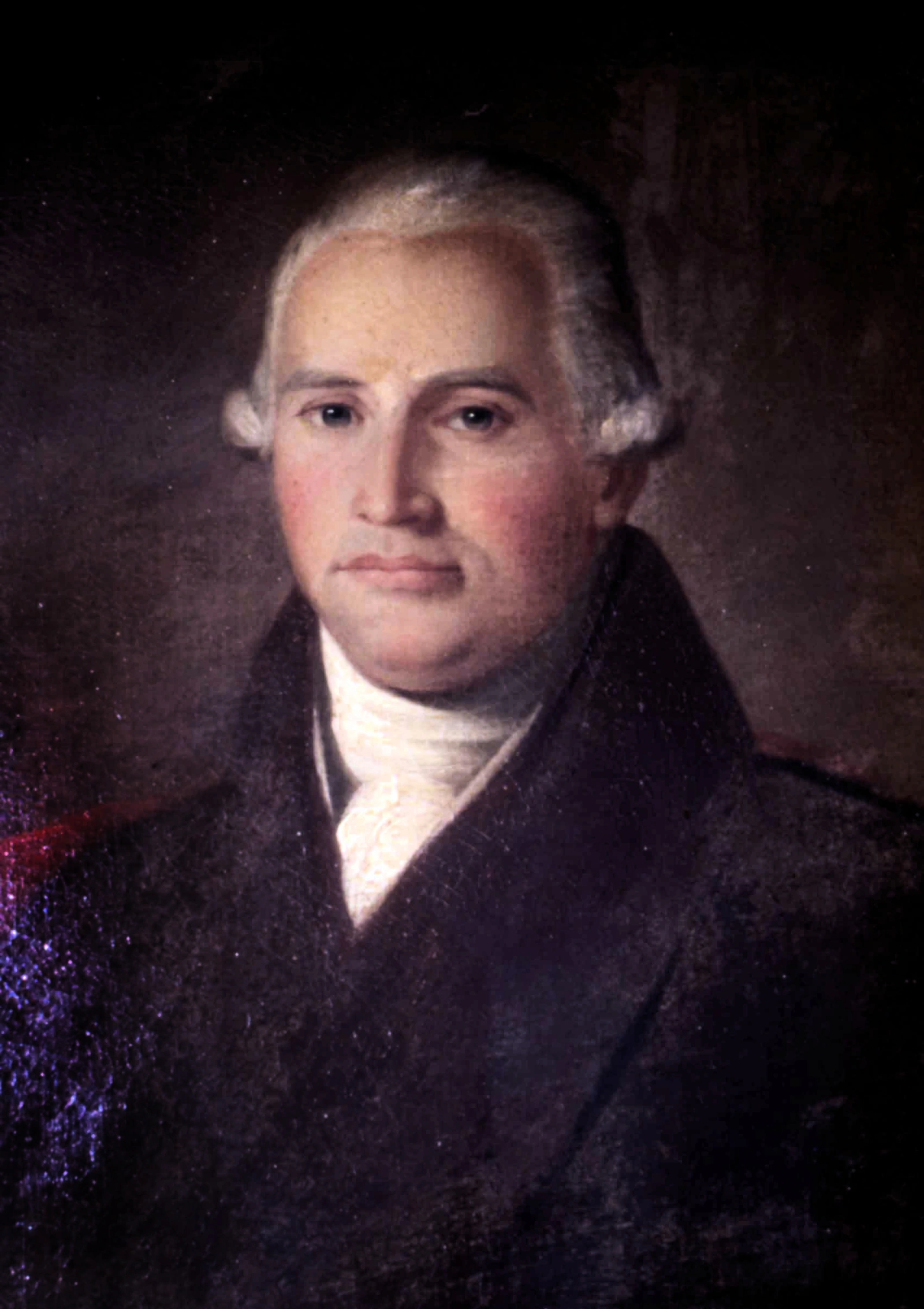
| 7 Quotes | |
| Occup. | Poet |
| From | Scotland |
| Born | 1459 AC Scotland |
| Died | 1530 AC Scotland |
| Cite | |
Citation Formats
APA Style (7th ed.)
William dunbar biography, facts and quotes. (2026, February 11). FixQuotes. https://fixquotes.com/authors/william-dunbar/
Chicago Style
"William Dunbar biography, facts and quotes." FixQuotes. February 11, 2026. https://fixquotes.com/authors/william-dunbar/.
MLA Style (9th ed.)
"William Dunbar biography, facts and quotes." FixQuotes, 11 Feb. 2026, https://fixquotes.com/authors/william-dunbar/. Accessed 25 Mar. 2026.
Early Life and Background
William Dunbar was born around 1459, probably in Lothian, in a Scotland still tightening its royal institutions after the long minority of James II and the factional violence that shadowed James III. His lifetime bridged late-medieval piety and the new courtly humanism that James IV would cultivate; he grew up in a culture where Latin schooling, public ritual, and biting vernacular satire could coexist without apology. The sharp duality of his later poems - devotional awe beside scabrous comedy - fits a boyhood formed amid both parish discipline and the exuberant talk of burghs, taverns, and kirkyards.He seems to have come from a family with enough means or connections to place him in clerical training, but not enough to guarantee security. Scotland offered a gifted cleric-poet a narrow ladder: service, patronage, and the hope of preferment. That tension between ambition and precariousness became one of Dunbar's enduring inner motors, pushing him toward the court, where wit could become livelihood and where failure could be publicly humiliating.
Education and Formative Influences
Dunbar studied at the University of St Andrews, receiving the BA in 1477 and MA in 1479, and entered the Franciscan Order. The friars gave him rhetorical discipline, a taste for moral exempla, and an ear for popular speech; university training steeped him in Latin authors and scholastic habits of argument. He absorbed the Scottish makars' craft - Chaucerian stanza forms, French courtly modes, and alliterative native energies - while learning how sermons, disputation, and confession mapped the human psyche as a battleground of desire, fear, and grace.Career, Major Works, and Turning Points
By the 1490s Dunbar had left the relative anonymity of conventual life for royal service, appearing as a "chaplain" and petitioning James IV for a benefice or pension. He traveled on embassies, including to England, and wrote for public occasions and private rivalries at a court that prized pageantry, music, and verbal dexterity. His best-known works include the dream-vision "The Goldyn Targe", the biting moral satire "The Dance of the Sevin Deidly Synnis", the macabre meditation "Lament for the Makaris", the flyting "The Flyting of Dunbar and Kennedy", and courtly pieces like "Ane Blak Moir" and "The Thrissill and the Rois" (often read in connection with James IV's marriage to Margaret Tudor in 1503). The catastrophic defeat at Flodden in 1513, which killed the king and shattered the courtly world Dunbar had relied upon, marks a likely turning point: thereafter his trail grows faint, and tradition places his death around 1530, with his last securely datable poems belonging to the earlier, brighter orbit of James IV's reign.Philosophy, Style, and Themes
Dunbar's inner life is best approached through the volatility of his voices. He could praise splendor with a cosmopolitan eye, as in his celebratory address to the metropolis: “London, thou art the flower of cities all!” Yet the praise is never naive; it stands beside the instinct to puncture display, to show how ceremony and power sit atop rot, appetite, and sudden reversals. That doubleness - wonder at the world and distrust of it - made him an ideal poet for a court poised between late-medieval devotion and early Renaissance confidence.His most persistent theme is impermanence, not as abstraction but as felt pressure. In "Lament for the Makaris" the roll call of dead poets becomes a self-interrogation: he can see his own name joining the list, and the refrain insists that no craft, rank, or joke buys delay. The moral cadence of that vision matches his blunt reminder that “Our pleasance here is all vain glory, This false world is but transitory”. At his most stripped down, the theological axis becomes explicit and private, the poet turning from patronage and performance toward the only stable love: “All love is lost but upon God alone”. Technically, his range is extraordinary: aureate diction and intricate stanza forms for courtly allegory; rough, muscular Scots for insult, complaint, and sermon; a relish for catalogues, grotesques, and sudden lyric sweetness. The result is a psychology on the page - a man trained to examine conscience, hungry for recognition, and quick to laugh at the very stage he needs.
Legacy and Influence
Dunbar endures as one of the supreme makars, a poet who proved that Scots could carry scholastic argument, courtly elegance, and streetwise ferocity with equal authority. His mixture of devotional gravity and comic cruelty shaped later Scottish verse traditions, from the moralists to the satirists, and his technical bravura became a benchmark for writers seeking a native canon that could stand beside English and continental models. In the long view, his work preserves the emotional weather of James IV's Scotland - brilliant, brittle, and mortal - and keeps alive a voice that could bless, mock, and mourn in the same breath.Our collection contains 7 quotes written by William, under the main topics: Wisdom - Mortality - Deep - Kindness - Poetry.
William Dunbar Famous Works
- 1508 The Lament for the Makaris (Poem)
- 1508 The Golden Targe (Poem)
- 1503 The Thistle and the Rose (Poem)
- 1500 The Dance of the Sevin Deidly Synnis (Poem)
Source / external links