
William Edward Hickson Biography Quotes 8 Report mistakes
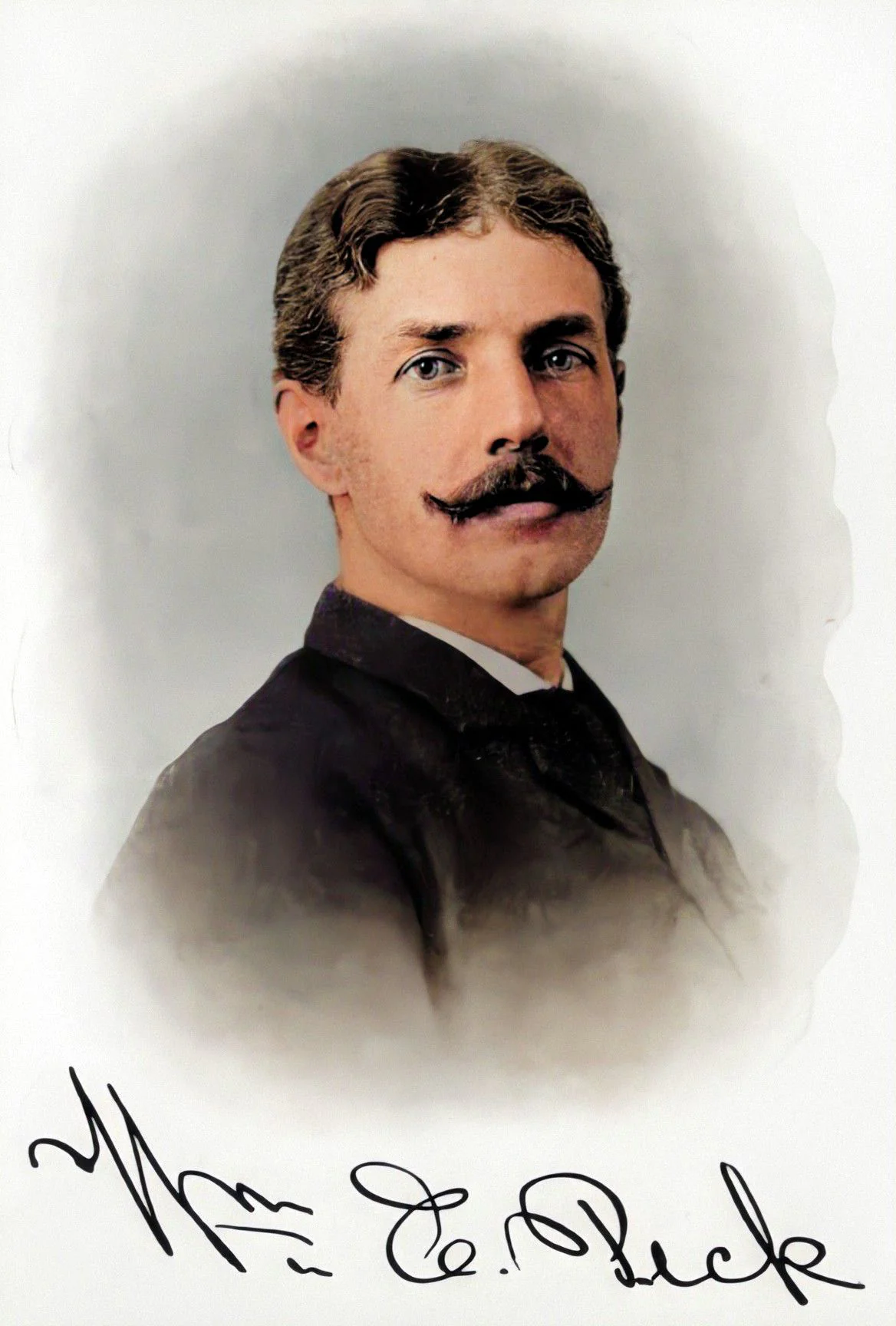
| 8 Quotes | |
| Known as | W. E. Hickson |
| Occup. | Writer |
| From | United Kingdom |
| Born | January 7, 1803 London |
| Died | March 22, 1870 |
| Aged | 67 years |
| Cite | |
Citation Formats
APA Style (7th ed.)
William edward hickson biography, facts and quotes. (2026, February 3). FixQuotes. https://fixquotes.com/authors/william-edward-hickson/
Chicago Style
"William Edward Hickson biography, facts and quotes." FixQuotes. February 3, 2026. https://fixquotes.com/authors/william-edward-hickson/.
MLA Style (9th ed.)
"William Edward Hickson biography, facts and quotes." FixQuotes, 3 Feb. 2026, https://fixquotes.com/authors/william-edward-hickson/. Accessed 25 Mar. 2026.
Early Life and Background
William Edward Hickson was born on January 7, 1803, in the United Kingdom at the opening of a century that fused evangelical earnestness, industrial acceleration, and an expanding print market into a single, restless public mood. He grew up amid the aftershocks of the French Revolutionary and Napoleonic era, when British civic identity was being renegotiated through reform movements, Sunday schools, and the rhetoric of improvement. That cultural climate mattered: Hickson would become a writer for whom moral instruction was not a genre but a civic duty, meant to be carried into homes, classrooms, and the working day.His inner life, so far as it can be reconstructed from his output and career choices, suggests a man oriented toward practical virtue rather than confessional self-display. Hickson wrote as if character could be trained the way a craft is trained - by repetition, correction, and the steady accumulation of habits. The idea that resilience was learnable, not merely inspirational, became central to his appeal in an age that feared social volatility and longed for stable, self-governing citizens.
Education and Formative Influences
Details of Hicksons formal schooling are less securely documented than his later public work, but he was shaped by the early Victorian ecosystem of improvement literature: sermons, conduct manuals, educational readers, and periodicals that treated literacy as both a moral technology and a route to social mobility. The rhythms of his prose and his preference for aphoristic instruction point to a formation in broad Protestant moral culture and the pedagogical practices of the day - recitation, copywork, and the use of memorable maxims as tools for self-command.Career, Major Works, and Turning Points
Hickson made his name as a writer and editor within Britains expanding world of magazines, educational publishing, and public instruction, producing pieces that blended narrative, advice, and compact lessons suitable for family reading and classroom use. His most enduring fame is tied to the spread of a persistence maxim commonly attributed to him and widely reprinted in juvenile verse and schoolroom anthologies; its afterlife, more than any single book title, became his signature. A key turning point was the way his moralizing style fit the needs of the mid-century: teachers needed copy-ready lines, editors needed reusable wisdom, and a mobile society wanted portable rules for conduct. Hickson supplied all three, and his work circulated in forms that often outlived clear bibliographic attribution.Philosophy, Style, and Themes
Hicksons philosophy was a creed of effort: he treated willpower as a muscle and setbacks as a curriculum. His most quoted line, “If at first you don't succeed, try, try again”. works not only as advice but as a psychological script - a way to reframe failure from verdict to feedback. In a century of factory discipline and self-help ideology, he offered a consoling but demanding message: dignity is earned through repeated attempts, and the self is something you build under pressure. That insistence can read severe, yet it also democratized hope by locating progress in habits available to ordinary people.His style favors clarity over ornament and memorability over nuance, which is precisely why it traveled. Hickson wrote in sentences that could be recited, copied, and deployed at moments of temptation or discouragement, turning language into a behavioral tool. “He who would climb the ladder must begin at the bottom”. captures his incrementalism - a moral economy where shortcuts are suspect and apprenticeship is honorable. Even his implicit theory of responsibility tends toward the practical and the inward: “If you want a thing done well, do it yourself”. frames competence as personal stewardship, a stance that suited the Victorian admiration for self-reliance while also revealing a mind wary of dependence and excuses.
Legacy and Influence
Hickson died on March 22, 1870, but his influence persists less through a canonical shelf of volumes than through the diffuse, stubborn survival of his aphorisms in English-speaking culture. In classrooms, motivational speech, and everyday counsel, the Hicksonian sentence continues to do what he designed it to do: shorten the distance between moral intention and daily action. That legacy is historically revealing - it shows how nineteenth-century writers could shape behavior through the smallest literary unit, the maxim, and how the era that prized improvement created a marketplace in which a single well-made line could outlive its author by generations.Our collection contains 8 quotes written by William, under the main topics: Never Give Up - Learning - Work Ethic - Self-Discipline - Romantic.
William Edward Hickson Famous Works
- 1857 Time and Faith (Book)
- 1836 Popular Education: For the Use of Parents and Teachers, and for Young Persons of Both Sexes (Book)
Source / external links