
William Morris Biography Quotes 14 Report mistakes
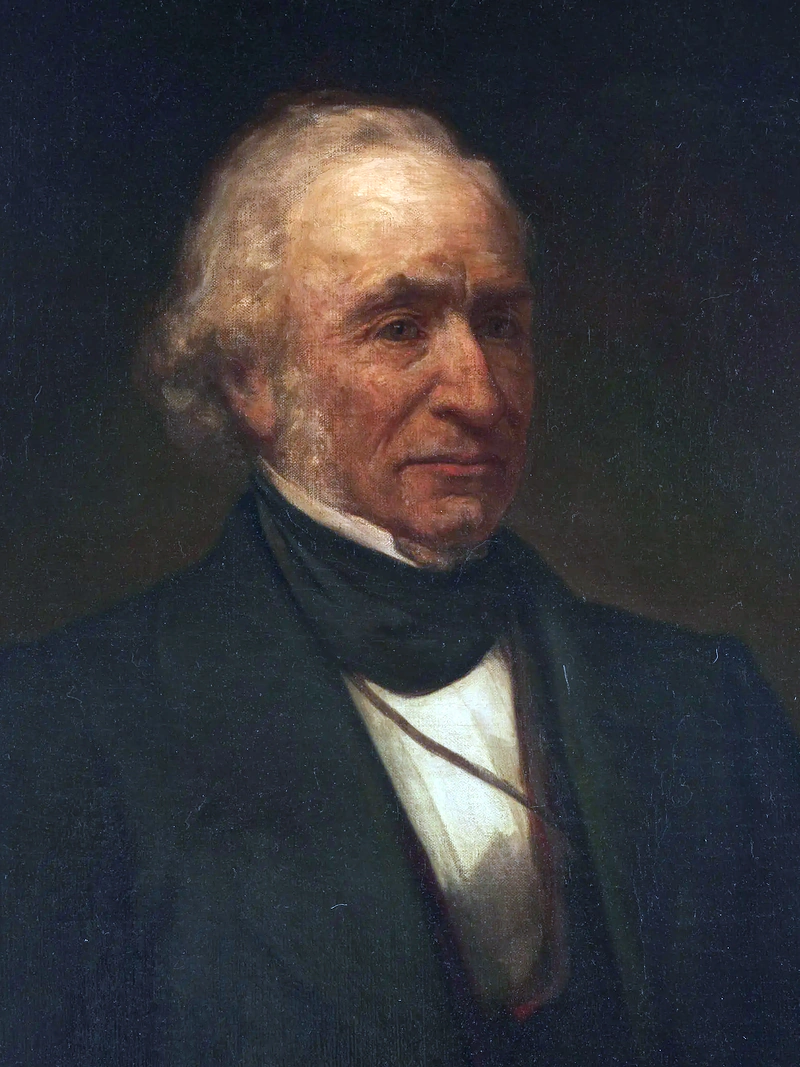
Attr: bonhams.com
| 14 Quotes | |
| Occup. | Designer |
| From | England |
| Born | March 24, 1834 Walthamstow, Essex, England |
| Died | October 3, 1896 Kelmscott House, Hammersmith, London |
| Aged | 62 years |
| Cite | |
Citation Formats
APA Style (7th ed.)
William morris biography, facts and quotes. (2026, February 11). FixQuotes. https://fixquotes.com/authors/william-morris/
Chicago Style
"William Morris biography, facts and quotes." FixQuotes. February 11, 2026. https://fixquotes.com/authors/william-morris/.
MLA Style (9th ed.)
"William Morris biography, facts and quotes." FixQuotes, 11 Feb. 2026, https://fixquotes.com/authors/william-morris/. Accessed 5 Mar. 2026.
Early Life and Background
William Morris was born on March 24, 1834, at Elm House in Walthamstow, Essex, into a comfortable middle-class family enriched by the expanding economy of early Victorian England. His father, also William Morris, worked in finance, and the household security gave the boy room to roam - literally, across Epping Forest and the old churches and manor remnants of the London fringe. Those landscapes of hedgerow, medieval stone, and half-wild woodland became his first museum, a place where beauty was not an ornament but an atmosphere.When his father died in 1847, Morris inherited both money and a sharpened awareness of how fragile any shelter can be. The era around him was loud with railways, speculative building, and soot-blackened industry; he felt the change as a kind of psychic abrasion. Even as a teenager he leaned toward the pre-industrial past not as escapism but as a standard against which modern life could be judged - a private longing that later turned outward into a public critique of labor, taste, and inequality.
Education and Formative Influences
Morris attended Marlborough College and then Exeter College, Oxford, arriving in the early 1850s as Gothic revival ideas were shifting from architecture into a broader moral and social program. At Oxford he met Edward Burne-Jones, and together they fell under the spell of medieval literature, illuminated manuscripts, and the arguments of John Ruskin, who insisted that art and the conditions of work were inseparable. Morris also encountered the Pre-Raphaelite circle through Dante Gabriel Rossetti, absorbing their saturated color, symbolic intensity, and belief that sincerity of making mattered as much as subject - influences that moved him from an intended clerical path toward a life defined by craft and reform.Career, Major Works, and Turning Points
After leaving Oxford, Morris tried painting but found his real power in designing environments and objects that could make daily life coherent and dignified. His marriage to Jane Burden in 1859 and the building of Red House at Bexleyheath (designed with Philip Webb) became a turning point: the house was conceived as a total work of art, with furniture, stained glass, wall patterns, and textiles devised as an integrated whole. In 1861 he founded Morris, Marshall, Faulkner and Co. (later Morris and Co.), producing wallpapers, fabrics, stained glass, and furnishings that helped define the Arts and Crafts movement; designs such as "Trellis", "Daisy", and later "Strawberry Thief" made pattern feel both natural and disciplined. In the 1880s his politics radicalized into open socialism - speeches, organizing, and journalism for the Socialist League - while in 1891 he founded the Kelmscott Press, culminating in the Kelmscott Chaucer (1896), a monument of typography, illustration, and page design. The trajectory is striking: the same man who mastered luxury interiors insisted that the moral test of design lay in the lives of ordinary workers.Philosophy, Style, and Themes
Morris lived as if beauty were a social duty. His patterns - curling acanthus, birds half-hidden in leaves, repeating flowers that never quite mechanize - perform a moral argument: nature is orderly without being dead, and workmanship can be both disciplined and free. The inner life behind this is not merely nostalgic; it is fiercely historical, convinced that aesthetic memory can be revolutionary. “The past is not dead, it is living in us, and will be alive in the future which we are now helping to make”. For Morris, medieval craft was not a costume drama but evidence that labor could carry pride, intelligence, and pleasure when not severed from meaning.That conviction drove his socialist critique of industrial capitalism, and it also explains his impatience with sham refinement. He wanted art to be common property, not a badge of class, because ugliness was not neutral - it was a symptom of coerced work and false wants. “I do not want art for a few any more than education for a few, or freedom for a few”. His emphasis on the ordinary day reveals the psychological engine of his reforms: not grand gestures, but a reverence for lived time, for rooms, tools, books, and meals as sites where dignity can be restored. “The true secret of happiness lies in taking a genuine interest in all the details of daily life”. In that sentence is Morris the designer and Morris the agitator - a man trying to heal the split between ideal and routine, imagination and necessity.
Legacy and Influence
Morris died on October 3, 1896, in Hammersmith, worn down by relentless work; contemporaries said he had done the labor of several lifetimes. His legacy endures in the Arts and Crafts movement across Britain and America, in modern conservation and the Society for the Protection of Ancient Buildings (which he founded in 1877), and in the continuing debate about whether good design can exist without justice in production. Museums preserve his wallpapers and books, but his deeper influence is an ethical standard: that craft is not quaint, that ornament can carry thought, and that the beauty of a chair, a page, or a public street is inseparable from the freedom of the people who make and use them.Our collection contains 14 quotes written by William, under the main topics: Wisdom - Art - Writing - Freedom - Meaning of Life.
Other people related to William: E. P. Thompson (Historian), Algernon Charles Swinburne (Poet), Alec Issigonis (Designer), Wally Amos (Businessman), Gustav Stickley (Architect), Gertrude Jekyll (Celebrity), Walter Crane (Artist)