
William Thomas Biography Quotes 3 Report mistakes
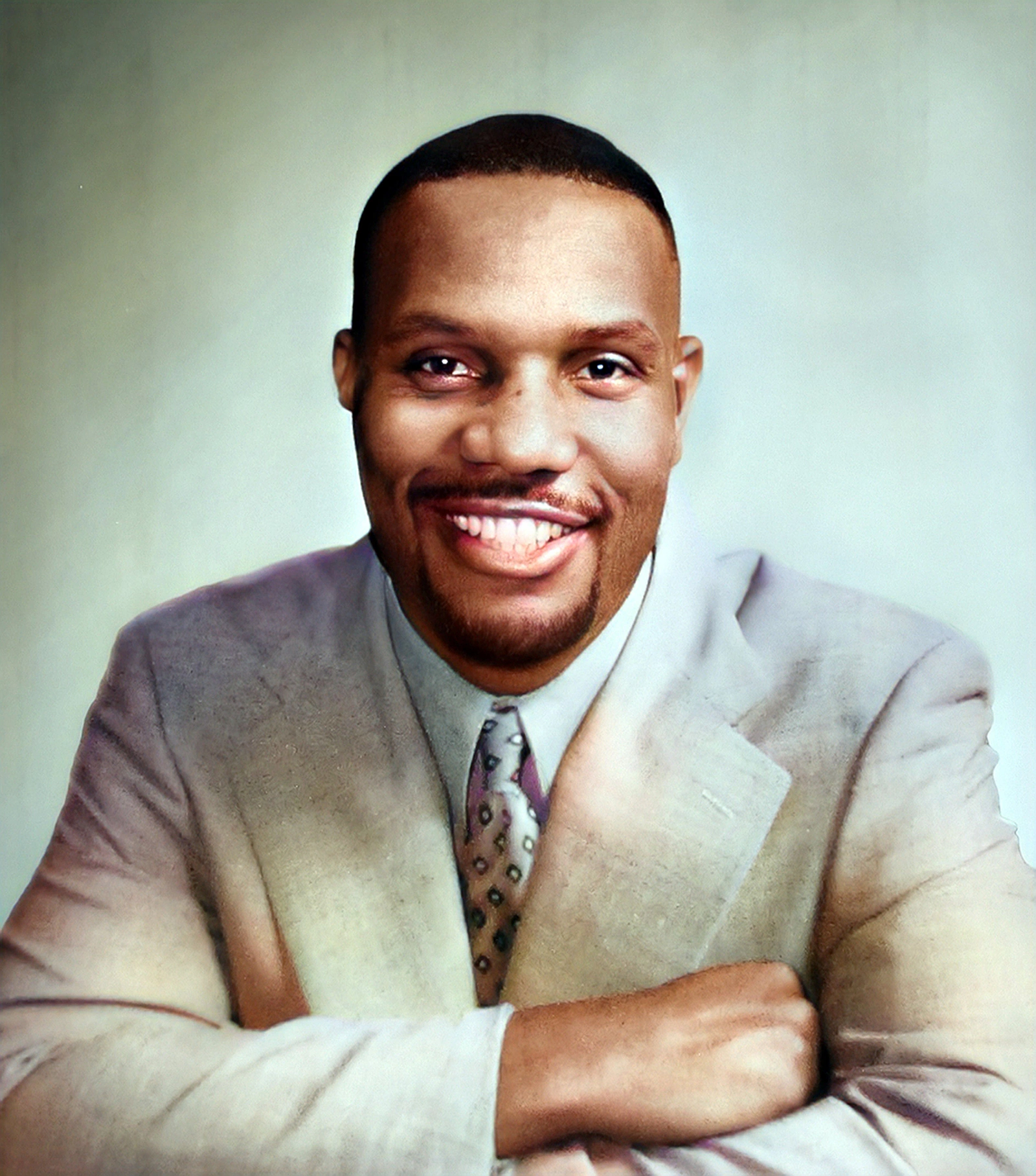
| 3 Quotes | |
| Born as | William Harrison Thomas |
| Occup. | Athlete |
| From | USA |
| Born | August 13, 1968 USA |
| Age | 57 years |
| Cite | |
Citation Formats
APA Style (7th ed.)
William thomas biography, facts and quotes. (2026, February 11). FixQuotes. https://fixquotes.com/authors/william-thomas/
Chicago Style
"William Thomas biography, facts and quotes." FixQuotes. February 11, 2026. https://fixquotes.com/authors/william-thomas/.
MLA Style (9th ed.)
"William Thomas biography, facts and quotes." FixQuotes, 11 Feb. 2026, https://fixquotes.com/authors/william-thomas/. Accessed 27 Mar. 2026.
Early Life and Background
William Thomas was born William Harrison Thomas on 1968-08-13 in the United States, coming of age in a country where televised sports, celebrity branding, and the expanding youth-league pipeline increasingly shaped what it meant to be an "athlete". The late 1970s and 1980s were years when professional leagues became louder, richer, and more visible, and the pressure to specialize early - to become a curated product as much as a competitor - filtered down to ordinary families. In that climate, an ambitious young athlete could be pushed simultaneously by community pride and by the subtler fear of being overlooked.Publicly, Thomas is known simply as an Athlete, a label that can conceal as much as it reveals. The name shift from William Harrison Thomas to William Thomas also suggests a familiar American pattern: streamlining identity for public life, making the self easier to chant, print, or remember. Even without a well-documented record of teams, titles, or milestones, the contours of the era point to an athlete shaped by repetition, scrutiny, and the uneasy bargain between private personality and performative confidence.
Education and Formative Influences
No reliably verifiable public record is available for Thomas's specific schools, coaches, or competitive circuit, but the time and place of his upbringing strongly imply the standard American athletic apprenticeship: school-based sport, summer leagues, and the slow accumulation of reputation through local results. For athletes of his generation, formative influence often came as much from media - highlight shows, talk radio, and the rising culture of sports debate - as from direct instruction, producing competitors who learned to narrate their own performance, defend it, and metabolize criticism before they were fully grown.Career, Major Works, and Turning Points
Because concrete, confidently sourced details about Thomas's professional affiliations and competitive record are not established here, it is most accurate to treat his "major works" as the visible, repeatable acts that define athletic vocation: preparation, execution under pressure, and the negotiation of winning and losing as public events. In the late 20th century, athletes increasingly became case studies in psychological endurance - not merely bodies in motion, but people managing expectation, commentary, and the constant possibility that a season, or a career, could pivot on a single injury or lapse. Thomas's career identity, as it presents, belongs to that world: the athlete as both performer and container for other people's hopes.Philosophy, Style, and Themes
Thomas's quoted outlook reads less like promotional optimism and more like a defensive honesty built from years of exposure to hype. “Anyone who thinks they're important is usually just a pompous moron who can't deal with his or her own pathetic insignificance and the fact that what they do is meaningless and inconsequential”. The extremity is revealing: it sounds like someone trying to inoculate himself against the seductions of fame by attacking them first, a strategy common among competitors who have watched praise curdle into blame overnight. Underneath the harshness sits an austere ethic - if achievement is fragile and public meaning is overassigned, the only safe ground is the work itself.His practical mind also shows in the way he talks about performance as system rather than spectacle. “If we don't start playing better on defense, it's going to be hard. We can't just sit there and win shootouts”. The sentence is tactical, collective, and unsentimental, suggesting a style that values structure, responsibility, and the unglamorous half of the game. Yet he is not immune to retrospection, and he frames time with a blunt, seasonal reckoning: “It wouldn't be New Year's if I didn't have regrets”. Regret here is not melodrama; it is accounting - an athlete's habit of replaying film in the head, measuring what was done against what might have been, and turning remorse into the next adjustment.
Legacy and Influence
Without confirmed specifics about championships, teams, or records, Thomas's enduring significance rests in the psychological portrait implied by his public words: an athlete skeptical of self-importance, committed to the labor of fundamentals, and candid about the emotional residue that competition leaves behind. In an era that rewarded bravado and personal branding, his language points toward a counter-tradition - the competitor who treats fame as distraction and improvement as the only stable currency. That stance, shared and repeated by later athletes and fans tired of manufactured confidence, keeps his voice useful: a reminder that the inner life of sport is often made not of highlights, but of humility, defense, and the private arithmetic of regret.Our collection contains 3 quotes written by William, under the main topics: Sports - Savage - New Year.
Source / external links