
William Wycherley Biography Quotes 19 Report mistakes
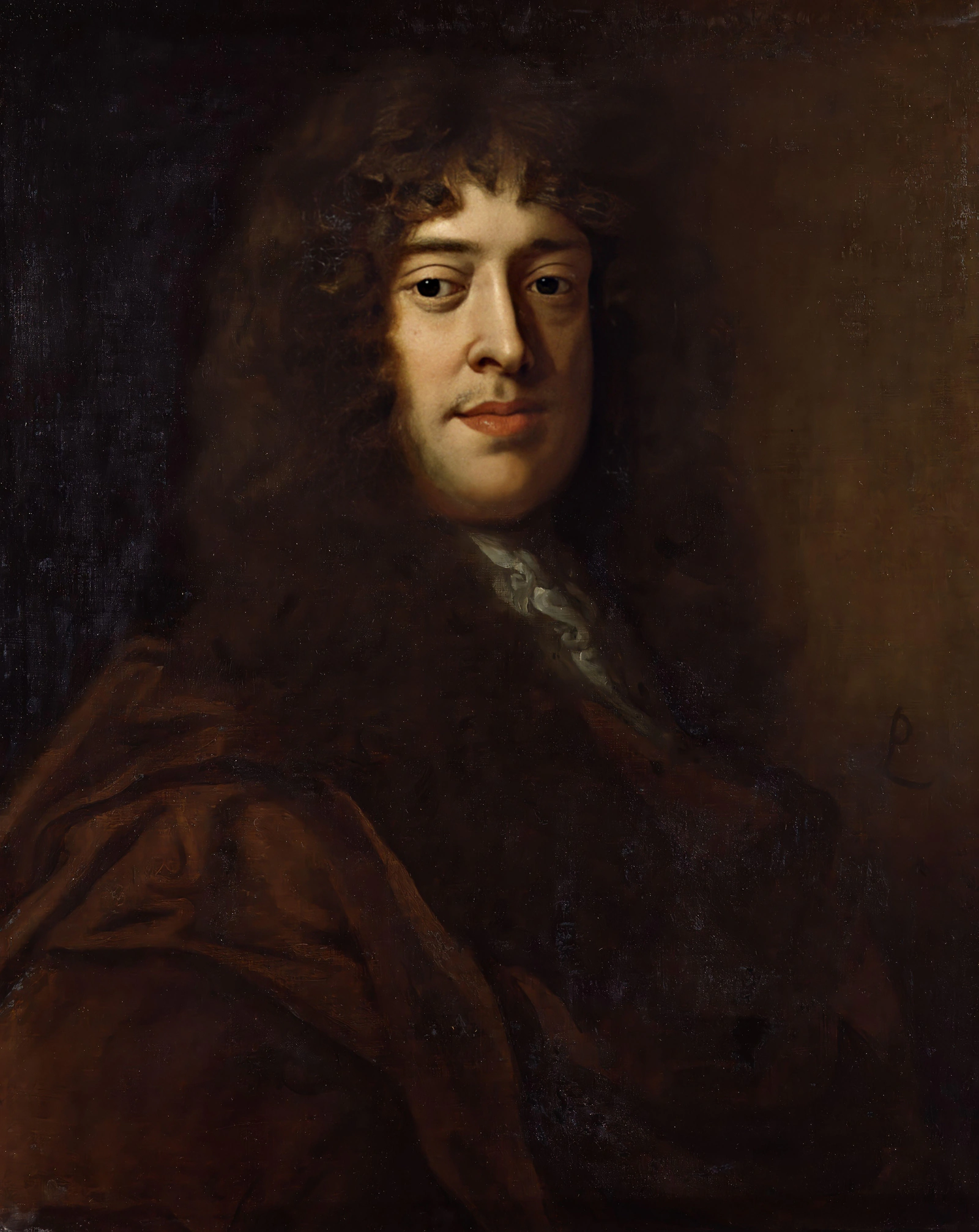
Attr: Peter Lely
| 19 Quotes | |
| Occup. | Dramatist |
| From | England |
| Born | 1641 AC England |
| Died | January 1, 1716 |
| Cite | |
Citation Formats
APA Style (7th ed.)
William wycherley biography, facts and quotes. (2026, February 20). FixQuotes. https://fixquotes.com/authors/william-wycherley/
Chicago Style
"William Wycherley biography, facts and quotes." FixQuotes. February 20, 2026. https://fixquotes.com/authors/william-wycherley/.
MLA Style (9th ed.)
"William Wycherley biography, facts and quotes." FixQuotes, 20 Feb. 2026, https://fixquotes.com/authors/william-wycherley/. Accessed 31 Mar. 2026.
Early Life and Background
William Wycherley was born around 1641, in the long shadow of England's civil wars and the collapse of old certainties about crown, church, and household order. He was the son of Daniel Wycherley, a Shropshire gentleman with family links in Ireland, and he grew up among the expectations of rank that still mattered even when politics turned violent. The Restoration of Charles II in 1660 would later supply Wycherley not only a court-centered culture of display and appetite, but also an audience hungry to laugh at hypocrisy - especially the hypocrisies of marriage, piety, and fashionable virtue.From early on he seems to have absorbed two competing social educations: provincial gentry discipline and the metropolitan hunger for wit. The result was a temperament that loved polish yet distrusted sanctimony. His comedies would repeatedly return to the same pressure point: private desire colliding with public reputation. That preoccupation reads less like mere libertine posturing than a man watching how quickly English moral language could be rebranded - from Puritan rigor to Restoration elegance - while the underlying pursuit of advantage remained.
Education and Formative Influences
As a youth Wycherley spent time in France during the interregnum years, where contact with French manners and theater sharpened his sense for conversational tempo and social performance; he later studied at Oxford (Queen's College) and entered the Inner Temple, the standard legal finishing school for gentlemen. He did not become a lawyer in any lasting way, but the law courts, contracts, and property logic of marriage inform the cold anatomy of his plots, as does the Restoration stage tradition shaped by Moliere, Ben Jonson, and the newly professionalized playhouses of London.Career, Major Works, and Turning Points
Wycherley rose quickly in the 1670s with The Gentleman Dancing-Master (1672) and The Country Wife (1675), then consolidated his fame with The Plain Dealer (1676), a harsher, more abrasive comedy often linked to Jonsonian satire and to Moliere's The Misanthrope. In these plays he perfected a high-pressure mix of sparkling dialogue and moral brutality, making sexual intrigue less a romantic adventure than a diagnostic test for vanity, greed, and fear. His trajectory then broke: he married the young widow Letitia Isabella, Countess of Drogheda, in secret, reportedly to protect his prospects at court. When the marriage became known, he lost royal favor, was drawn into inheritance litigation, and was imprisoned for debt in the Fleet. Although later released and assisted by patrons and friends, he never again matched the concentrated run of work from the mid-1670s; his later life became a prolonged negotiation with money, reputation, and the afterglow of earlier success, ending with his death on 1716-01-01.Philosophy, Style, and Themes
Wycherley's psychological center is the fear that social virtue is merely technique - a set of manners designed to conceal appetite. That suspicion drives the glinting cruelty of his best scenes, where characters treat courtship as bargaining and fidelity as a story told to the public rather than a vow kept in private. When he has a character remark, “Women of quality are so civil, you can hardly distinguish love from good breeding”. , the line is not only a joke about polite flirtation; it is Wycherley's thesis about civilization itself, where elegance becomes a mask that lets desire pass as etiquette. His plays insist that the more refined the setting, the more sophisticated the deceit - and the harder it is to know whether anyone is sincere.That same outlook makes his marriage plots feel like economic trapdoors rather than comic closures. “Marrying to increase love is like gaming to become rich; alas, you only lose what little stock you had before”. articulates a bleak view of wedlock as risk management, not moral fulfillment, and it echoes the legalistic texture of his dramaturgy - settlements, reputations, and leverage matter as much as passion. Even his most notorious generalizations about women are best read as portraits of a competitive world where both sexes are trained to guard appearances: “Your women of honor, as you call 'em, are only chary of their reputations, not their persons; and 'Tis scandal that they would avoid, not men”. The shock is part of the mechanism: Wycherley forces the audience to admit how often public judgment, not private conscience, governs behavior. Stylistically, he writes with compressed wit, hard antithesis, and scenes engineered like traps, so that laughter arrives as recognition - the recognition of motives we prefer to deny.
Legacy and Influence
Wycherley became one of the defining voices of Restoration comedy, and his name remains inseparable from The Country Wife and its audacious handling of sexual double meanings, censorship pressure, and the stage's new frankness after 1660. Later moralists attacked him as emblematic of the era's licentiousness, while later dramatists and adapters mined his architecture: the exposure of cant, the collision between town manners and country naivete, and the idea that language itself can be a seduction and a weapon. His enduring influence lies in that uncompromising diagnosis: a society can change its slogans overnight, but its hungers persist - and comedy, at its sharpest, is the art that catches the mask mid-smile.Our collection contains 19 quotes written by William, under the main topics: Witty One-Liners - Ethics & Morality - Wisdom - Friendship - Sarcastic.
Other people related to William: George Farquhar (Dramatist), George Etherege (Dramatist)
Source / external links