
Wilma Mankiller Biography Quotes 13 Report mistakes
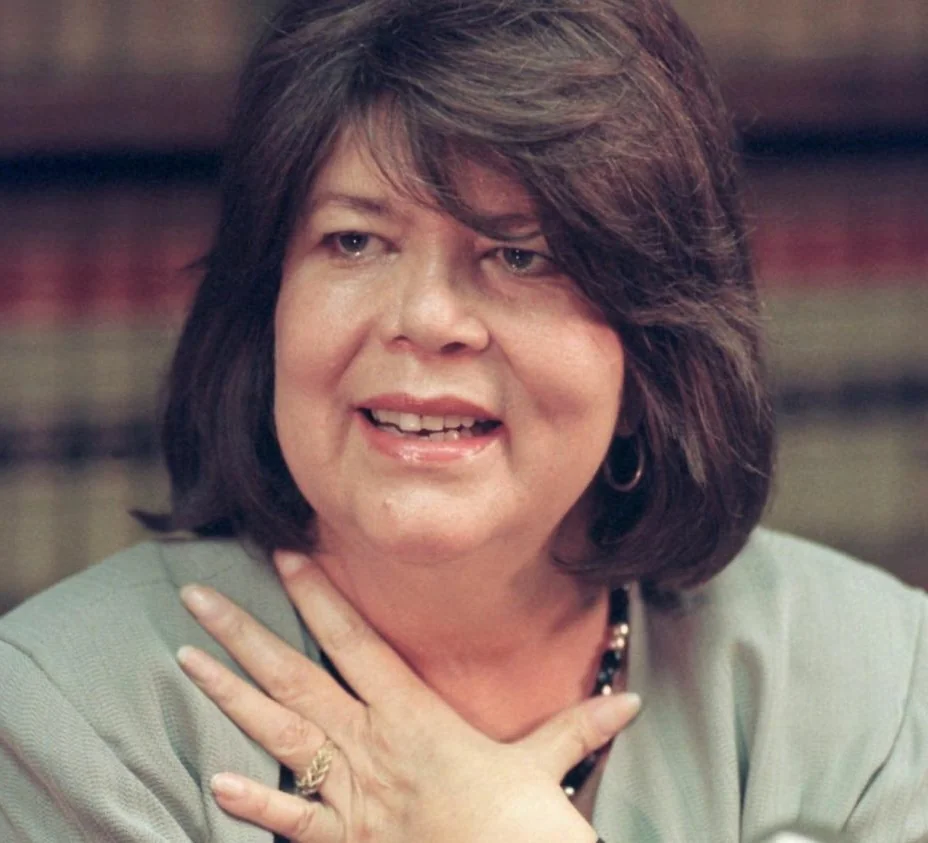
| 13 Quotes | |
| Born as | Wilma Pearl Mankiller |
| Occup. | Statesman |
| From | Cherokee |
| Born | November 18, 1945 Tahlequah, Oklahoma |
| Died | April 6, 2010 Adair County, Oklahoma |
| Aged | 64 years |
| Cite | |
Citation Formats
APA Style (7th ed.)
Wilma mankiller biography, facts and quotes. (2026, February 2). FixQuotes. https://fixquotes.com/authors/wilma-mankiller/
Chicago Style
"Wilma Mankiller biography, facts and quotes." FixQuotes. February 2, 2026. https://fixquotes.com/authors/wilma-mankiller/.
MLA Style (9th ed.)
"Wilma Mankiller biography, facts and quotes." FixQuotes, 2 Feb. 2026, https://fixquotes.com/authors/wilma-mankiller/. Accessed 5 Mar. 2026.
Early Life and Background
Wilma Pearl Mankiller was born on November 18, 1945, in Tahlequah, Oklahoma, the historic capital of the Cherokee Nation. She grew up in a large family in the rocky, hardscrabble community of Mankiller Flats near Rocky Mountain, a world shaped by kinship obligations, church life, and the long aftershock of U.S. removal, allotment, and boarding school policies that had fragmented Cherokee land and governance. Poverty was not an abstraction in her childhood - it was the daily arithmetic of hauling water, stretching food, and watching neighbors barter labor to survive.In the 1950s her family was swept into the federal Indian relocation program, moving to San Francisco, where opportunity came braided with dislocation. The city widened her horizon while sharpening the ache of separation from Cherokee language, land, and customary ways of belonging. She learned early that the modern American promise was unevenly distributed, and that Native people were expected to adapt quietly to institutions built without them in mind. That tension between adaptation and self-determination became the emotional engine of her adult life.
Education and Formative Influences
In California she attended public schools and later studied at Skyline College and San Francisco State College, and she absorbed politics not only in classrooms but in streets and community meetings during the civil rights era. The occupation of Alcatraz (1969-1971) and the wider Red Power movement sharpened her belief that Native nationhood required both protest and pragmatic institution-building; she learned organizing by doing - coordinating programs, building coalitions, and listening closely to what people said they needed rather than what outsiders assumed they lacked.Career, Major Works, and Turning Points
Mankiller returned to Oklahoma in the mid-1970s and entered Cherokee public service, first as a community development organizer and later in tribal government. A signature early project in Bell, Oklahoma, brought running water to homes through a community-led effort that became a model for participatory development and proved that dignity could be built pipe by pipe. In 1983 she was elected deputy chief; in 1985 she became principal chief, and in 1987 she won remindful election in her own right, serving until 1995 as the first woman to lead the Cherokee Nation in the modern era. Her tenure emphasized expanding health care, housing, and education, professionalizing tribal administration, and using federal law and intergovernmental negotiation to strengthen sovereignty. Personally, she led through severe trials - a 1979 automobile accident and later cancer - and turned private pain into public steadiness. After office she amplified Native governance and women's leadership through writing and advocacy, including her widely read memoir Mankiller: A Chief and Her People (1993).Philosophy, Style, and Themes
Mankiller governed as an organizer who happened to hold executive power: she trusted meetings, data, and the slow work of restoring capacity in places long told they were incapable. Her political psychology was grounded in persistence and repair rather than charisma. “The secret of our success is that we never, never give up”. For her, grit was not a slogan but a communal discipline, learned in households where one person's exhaustion could not be allowed to halt the work.She framed Cherokee resurgence as an inside job - a re-centering of confidence after generations of imposed dependency. “I want to be remembered as the person who helped us restore faith in ourselves”. That emphasis explains her steady preference for programs that returned agency to local people and her insistence that history was not background but a tool of diagnosis. “There are a whole lot of historical factors that have played a part in our being where we are today, and I think that to even to begin to understand our contemporary issues and contemporary problems, you have to understand a little bit about that history”. In her best moments, she fused memory with administration: the past clarified the injury, but the budget, the clinic, the water line, and the school were where healing had to show up.
Legacy and Influence
Wilma Mankiller died on April 6, 2010, but her imprint remains visible in the modern architecture of tribal governance: community-driven development, expanded social services, and a confident public language of sovereignty that does not apologize for seeking competence and continuity. She also shifted the gendered imagination of Native politics - not by claiming exceptionality, but by normalizing women as executives, negotiators, and builders. In the broader United States, her life offered a template for leadership that is simultaneously Indigenous and modern: rooted in land and story, fluent in law and administration, and unwavering in the belief that a nation can recover itself without surrendering itself.Our collection contains 13 quotes written by Wilma, under the main topics: Never Give Up - Leadership - Learning - Resilience - Equality.
Source / external links