
Wolfman Jack Biography Quotes 5 Report mistakes
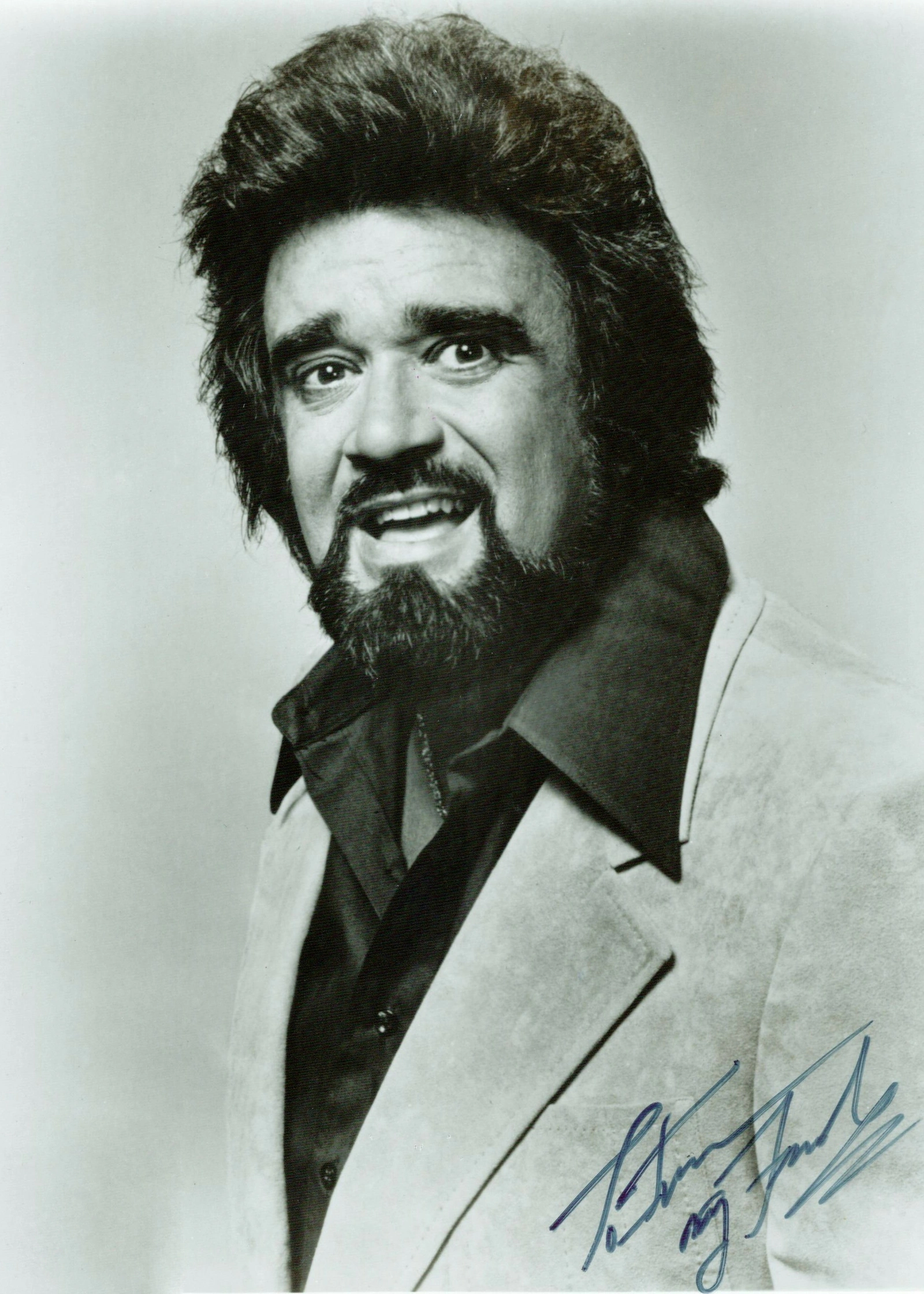
| 5 Quotes | |
| Born as | Robert Weston Smith |
| Occup. | Entertainer |
| From | USA |
| Born | January 21, 1938 Brooklyn, New York, US |
| Died | July 1, 1995 Belvidere, North Carolina, US |
| Aged | 57 years |
| Cite | |
Citation Formats
APA Style (7th ed.)
Wolfman jack biography, facts and quotes. (2026, February 11). FixQuotes. https://fixquotes.com/authors/wolfman-jack/
Chicago Style
"Wolfman Jack biography, facts and quotes." FixQuotes. February 11, 2026. https://fixquotes.com/authors/wolfman-jack/.
MLA Style (9th ed.)
"Wolfman Jack biography, facts and quotes." FixQuotes, 11 Feb. 2026, https://fixquotes.com/authors/wolfman-jack/. Accessed 4 Apr. 2026.
Early Life and Background
Robert Weston Smith was born January 21, 1938, in Brooklyn, New York, the son of a working-class city that ran on stoops, storefront radios, and late-night voices. His earliest memories were less about celebrity than about signal - the way sound could travel farther than a body, how a voice could feel like company in an apartment after dark. The young Smith absorbed the rhythms of postwar America: doo-wop from street corners, big-band remnants, the early tremors of rock and roll, and the patter of announcers who made ordinary nights feel eventful.In the 1950s and early 1960s, as teen culture and Top 40 consolidated into a national language, Smith began shaping an inner persona that could survive the pressure of constant attention. He was intrigued by masks and codes - not to hide, but to amplify - and by the democratic intimacy of radio, where the performer could be both stranger and friend. That tension became his engine: he wanted the reach of mass media without its stiff manners, and he wanted to sound like the party was happening wherever the listener was sitting.
Education and Formative Influences
Smith attended the City College of New York, a training ground for ambitious New Yorkers who treated words as tools and performance as a craft. He studied radio and learned how timing, breath, and phrasing could turn information into theater; just as important, he learned what stations demanded and what they rejected. The era rewarded polished announcers, yet the counterculture was starting to prize the raw, the improvisational, and the rebellious. Smith fused those impulses: technical competence with a deliberately unruly surface, borrowing from rhythm-and-blues jive, late-night DJs, and the carnival-barker tradition of American entertainment.Career, Major Works, and Turning Points
After early work in U.S. radio, Smith found his defining stage in the border-blaster phenomenon: high-powered AM stations just outside U.S. regulation that could pour music and personality deep into American nights. As Wolfman Jack, he became a nationwide presence on XERF and XERB in Mexico, broadcasting into cars, bedrooms, and truck cabs with a gravelly howl and a conspiratorial laugh. In the 1970s he translated that fame into television and film visibility - most memorably as the exuberant radio catalyst in George Lucas's 1973 film "American Graffiti" - and later through syndication and live appearances that turned the voice into a touring brand. The turning point was recognizing that the character was bigger than any one station: Wolfman Jack was portable, a persona that could ride the airwaves, records, and screens while keeping the illusion of a one-to-one midnight conversation.Philosophy, Style, and Themes
Wolfman Jack's style was engineered intimacy: slang, growls, rapid-fire callouts, and a sense that the mic was a doorway to a shared room. Beneath the monster-movie nickname was a practical showman who understood radio as emotional management - lifting moods, creating belonging, and making the listener feel seen. His on-air world prized release over critique, the old American promise that fun could be an ethic. “We are put on this earth to have a good time. This makes other people feel good. And the cycle continues”. The line reads like a joke until you hear the psychological need under it: he treated pleasure as a duty, because the alternative was isolation.Yet he was not naive about the business or the culture shifts he rode. The Wolfman persona allowed him to be both rebellious and dependable, a controlled outlaw who could flirt with rule-breaking without collapsing into it. “I started out as an opportunistic renegade. By now, I've lasted long enough to become sort of an American Original Respectable Renegade”. That self-description captures his inner calculus: reinvention without self-erasure, transgression as a repeatable method. Even his taste wars were a form of temperament. “The music of today is for downer freaks, and I'm an upper”. He was defending more than old records - he was defending an identity built on propulsion, a voice that refused to let the night go limp.
Legacy and Influence
Smith died July 1, 1995, in Belvidere, North Carolina, but Wolfman Jack remains a template for audio charisma: the DJ as character, curator, comedian, and midnight therapist. He helped define the mythology of late-night radio, proved that a persona could be both sincere and artificial, and showed how borderless transmission - geographic, cultural, emotional - could build a national community of listeners. His influence echoes in shock-jock theater, hip-hop hosting, podcast voicecraft, and any broadcaster who treats the microphone as a stage light trained on the listener rather than the performer.Our collection contains 5 quotes written by Wolfman, under the main topics: Witty One-Liners - Music - Happiness - Reinvention.
Other people related to Wolfman: Burton Cummings (Musician)
Source / external links