
Xavier Espot Zamora Biography Quotes 23 Report mistakes
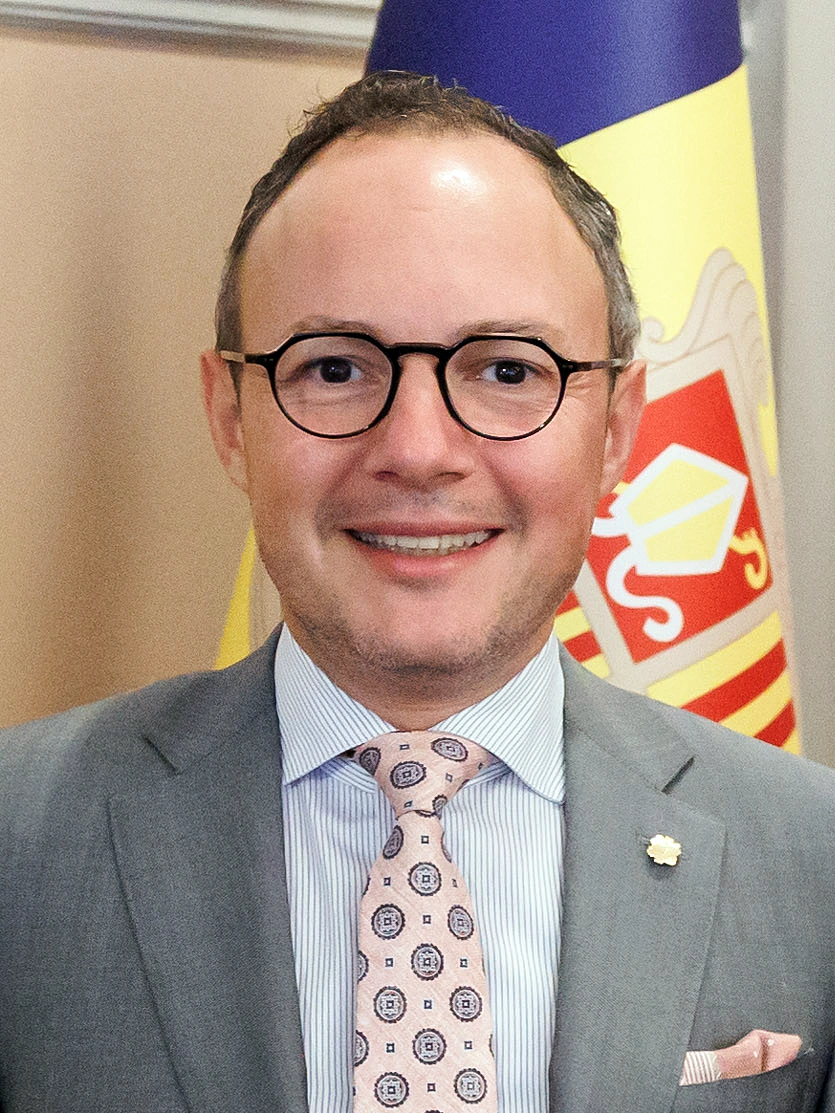
| 23 Quotes | |
| Occup. | Minister |
| From | Andorra |
| Born | July 30, 1979 Escaldes-Engordany, Andorra |
| Age | 46 years |
| Cite | |
Citation Formats
APA Style (7th ed.)
Xavier espot zamora biography, facts and quotes. (2026, February 15). FixQuotes. https://fixquotes.com/authors/xavier-espot-zamora/
Chicago Style
"Xavier Espot Zamora biography, facts and quotes." FixQuotes. February 15, 2026. https://fixquotes.com/authors/xavier-espot-zamora/.
MLA Style (9th ed.)
"Xavier Espot Zamora biography, facts and quotes." FixQuotes, 15 Feb. 2026, https://fixquotes.com/authors/xavier-espot-zamora/. Accessed 29 Mar. 2026.
Early Life and Background
Xavier Espot Zamora was born on 30 April 1979 into the compressed geography and layered sovereignty of Andorra, a Pyrenean microstate whose modern identity has been shaped by cross-border movement, commerce, and negotiation between larger neighbors. He came of age in the long afterglow of Andorra's 1993 Constitution, when the country shifted from customary arrangements to a modern parliamentary system while guarding its co-principality and distinctive institutions.That transitional atmosphere mattered: Espot's early adulthood unfolded as Andorra professionalized its public administration, broadened its international profile, and confronted new pressures - from financial transparency and regulatory alignment to demographic change and tourism-driven growth. The small scale of Andorran society, where politics is personal and consensus is a daily practice, helped form a public figure attuned to incremental reform, legal detail, and the reputational stakes of belonging to European norms.
Education and Formative Influences
Espot trained as a jurist, studying law and focusing on the tools small states rely on most: constitutional order, administrative capacity, and international legal compatibility. His formation was shaped by the post-1993 consolidation of Andorran institutions and by the broader European environment in which microstates increasingly had to demonstrate credible regulation, human-rights protections, and cooperative diplomacy to sustain autonomy without isolation.Career, Major Works, and Turning Points
He rose through public service as a specialist in social and institutional policy and became one of the best-known faces of Andorra's center-right governing tradition. A pivotal phase came with his tenure as Minister of Social Affairs, Justice and Interior, where he dealt with welfare and family policy, public safety, justice administration, and the legal modernization expected of a state interacting closely with European partners. In 2019 he became Head of Government (Cap de Govern), succeeding Antoni Marti and leading the Democrats for Andorra (Democrates per Andorra) through a period defined by reputational governance, negotiations over Andorra's external relationships, and the immediate shock of the COVID-19 pandemic - a test of state capacity in a country whose economy depends heavily on mobility and services. He later renewed his mandate after the 2023 elections, confirming his position as a steady, managerial prime minister in an era when Andorra has had to align regulations, diversify economic resilience, and maintain social cohesion under global volatility.Philosophy, Style, and Themes
Espot's public philosophy reads as a small-state doctrine: legitimacy through institutions, stability through dialogue, and security through international cooperation. He frames Andorra's modernization not as imitation but as self-preservation - the idea that credibility abroad reinforces sovereignty at home. That is why his rhetoric frequently elevates multilateral frameworks as practical instruments, not abstractions: “Intergovernmental cooperation and multilateral diplomacy are the best means of moving our societies forward”. The psychological subtext is a leader who distrusts performative conflict; he treats process as protection, and sees the rule-bound arena of Europe as a shelter against the whims of power politics.His themes also show a preoccupation with civic equality in a rapidly changing information economy. “We want all citizens to be able to access the digital world and thus avoid situations of inequality”. The line is both policy goal and self-portrait: Espot often casts modernization as inclusion, suggesting an inward anxiety that technological transformation can fracture a small society into insiders and outsiders. This connects to a persistent defense of democratic culture against informational threats, where he ties freedom of expression to institutional resilience: “No country is immune to this threat, which can undermine one of the pillars of our democracies: freedom of expression”. His style, accordingly, is legalistic and measured - less charismatic mobilization than a patient insistence that legitimacy is built by transparent rules, pluralistic information, and the daily habits of compromise.
Legacy and Influence
Espot's legacy is still being written, but his influence already lies in how he has embodied Andorra's contemporary archetype of leadership: pragmatic, European-facing, and institution-centered. He has helped normalize the idea that a microstate's power is reputational - earned through regulatory seriousness, rights protections, and diplomatic reliability - while steering domestic policy through the social strains of pandemic disruption and the longer arc of digital and economic transition. Whether future historians judge him as a cautious consolidator or a transformative modernizer will depend on outcomes still unfolding, but his era will be remembered for reinforcing the premise that Andorra's independence is best sustained not by loudness, but by competent governance and credible democratic alignment.Our collection contains 23 quotes written by Xavier, under the main topics: Motivational - Ethics & Morality - Freedom - Equality - War.
Source / external links