
Xavier Herbert Biography Quotes 5 Report mistakes
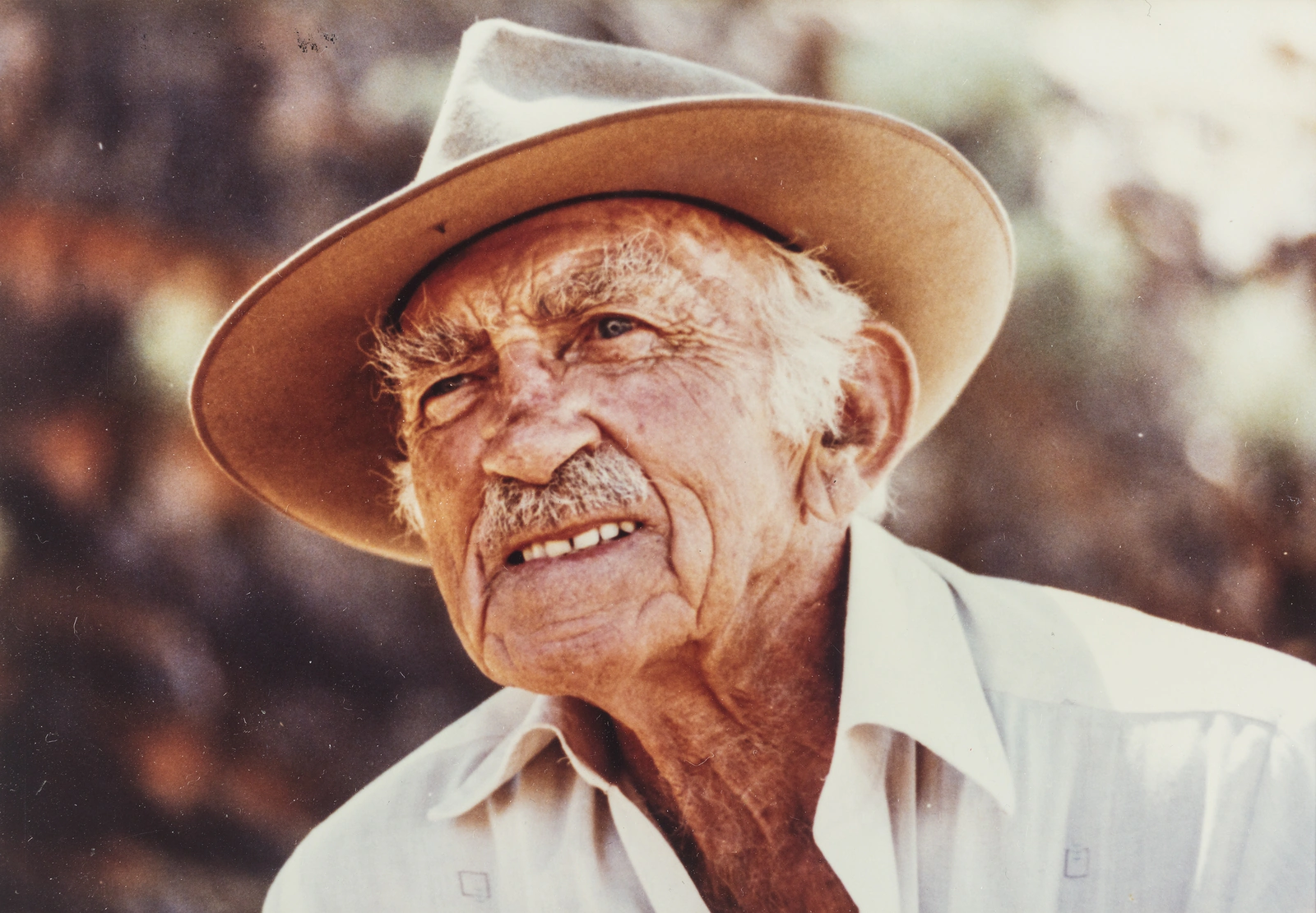
| 5 Quotes | |
| Occup. | Writer |
| From | Australia |
| Born | May 15, 1901 Geraldton, Western Australia |
| Died | November 10, 1984 Sydney, Australia |
| Aged | 83 years |
| Cite | |
Citation Formats
APA Style (7th ed.)
Xavier herbert biography, facts and quotes. (2026, February 11). FixQuotes. https://fixquotes.com/authors/xavier-herbert/
Chicago Style
"Xavier Herbert biography, facts and quotes." FixQuotes. February 11, 2026. https://fixquotes.com/authors/xavier-herbert/.
MLA Style (9th ed.)
"Xavier Herbert biography, facts and quotes." FixQuotes, 11 Feb. 2026, https://fixquotes.com/authors/xavier-herbert/. Accessed 6 Mar. 2026.
Early Life and Background
Xavier Herbert was born Alfred Francis Xavier Herbert on May 15, 1901, in Geraldton, Western Australia, into a frontier society still shaped by hard distance, colonial violence, and the precarious economics of mining and pastoral work. His childhood unfolded along the state's western and northern margins, where towns were small, tempers large, and racial hierarchies enforced as daily routine. The young Herbert absorbed the cadences of working men, the energy of pubs and camps, and the moral contradictions of a nation that celebrated rugged independence while policing Aboriginal lives with bureaucracy and force.That early landscape furnished him with a lifelong double vision: romantic attachment to the bush and a fierce suspicion of what the bush had been made to conceal. He grew up amid the aftershocks of Federation-era nationalism and the White Australia policy, when official rhetoric promised cohesion and decency but the frontier still ran on coercion. Herbert's later work would treat this world not as a picturesque background but as a pressure chamber that distorted character, desire, and conscience.
Education and Formative Influences
He trained as a pharmacist, a practical profession that suited his restless mobility and put him in close contact with bodies and suffering, especially in remote communities. In the late 1920s he moved to the Northern Territory, working in Darwin and traveling the north, where he witnessed the intimate mechanics of segregation and the humiliations imposed on Aboriginal people and those of mixed descent. The Territory's heat, boredom, and violent social codes gave him subject matter and a moral problem: how to write the north honestly without turning its people into symbols, and how to confront his own entanglement in the society he condemned.Career, Major Works, and Turning Points
Herbert's breakthrough came with Capricornia (1938), a large, satirical, and angry novel set in a thinly fictionalized north, centered on a mixed-descent protagonist and the hypocrisies of white paternalism. It won the Sesquicentennial Prize and made Herbert famous, but it also fixed his reputation as a difficult moralist - a writer who would not soothe the reader with simple villains or consoling endings. During World War II he served in the military, then returned to writing in fits and long silences, living for extended periods away from major literary centers, including years in England. His major late work, Poor Fellow My Country (1975), was an immense, confrontational epic of the north on the eve of war, revisiting themes of race, nationhood, and spiritual disinheritance at a scale few Australian novels had attempted. The long gestation of that book, and the toll it took, became its own turning point: Herbert increasingly wrote as if racing the erosion of memory and the nation's talent for forgetting.Philosophy, Style, and Themes
Herbert's inner life was marked by a struggle between tenderness and rage. He wanted the bush to be a place of belonging, yet he could not stop hearing what had been driven out of sight. That tension animates his sense of haunting and historical recoil: “The bush is full of ghosts, and they never quite go away”. For Herbert, ghosts were not decorative folklore but the residue of dispossession, violence, and unacknowledged kinship. His novels return obsessively to the social manufacture of denial - the way jokes, bureaucracy, and masculine bravado protect settlers from moral perception, and the way desire and shame twist into cruelty when a society forbids honest intimacy across color lines.His style is expansive, colloquial, and intentionally abrasive, mixing satire with lyric observation and long, accumulating scenes that mimic the drag and fever of the north. He treats time as something altered by isolation and heat, a theme that becomes both technical method and psychological diagnosis: “In the bush, time loses its continuity, its steadiness. In the bush, time becomes an event rather than a procession”. That view lets him stage moral crises as sudden weather systems - eruptions rather than orderly development - and it also explains his own working rhythm of long dormancy followed by torrential production. Yet Herbert's bleakness is never merely nihilistic; his books keep insisting on choice, on the possibility of moral renovation even when repair cannot be made to what is already done: “You can't change the past, but you can change the future”. It is a hard-earned credo in a writer who chronicled the past precisely to prevent its repetition.
Legacy and Influence
Herbert died on November 10, 1984, leaving a body of work that remains central to any serious account of Australian literary modernity and its reckoning with race. Capricornia and Poor Fellow My Country endure as arguments as much as novels - messy, capacious, and ethically impatient - pressing readers to see how national myths are built atop silences that still reverberate through law, family, and landscape. Later writers of the north, and many who attempted the Australian epic, wrote in Herbert's shadow, responding to his example of regional realism fused with political indictment. His influence persists not because he offered easy answers, but because he forced the question: what does it cost, psychologically and spiritually, to live in a country that will not fully tell the truth about itself?Our collection contains 5 quotes written by Xavier, under the main topics: Deep - Change - Gratitude - Time - Nostalgia.
Xavier Herbert Famous Works
- 1975 Poor Fellow My Country (Novel)
- 1938 Capricornia (Novel)
Source / external links