
Xenophon Biography Quotes 10 Report mistakes
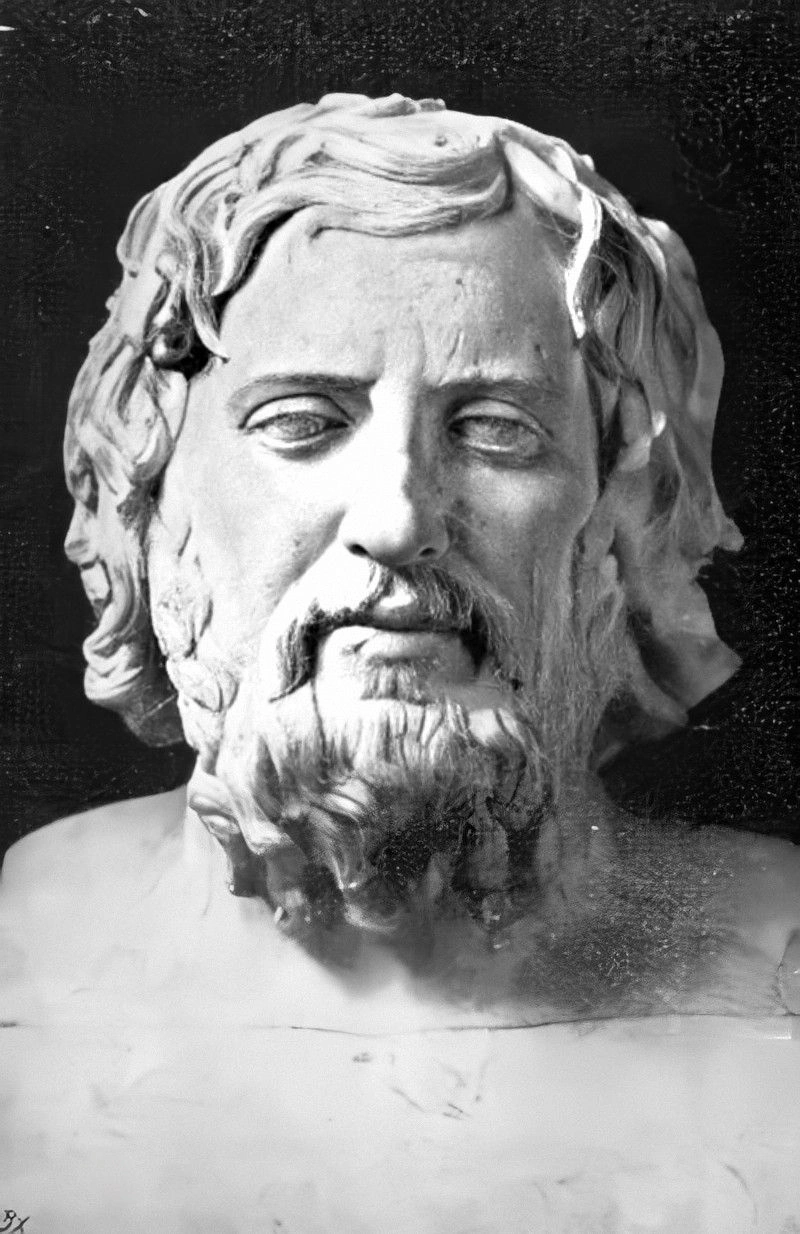
| 10 Quotes | |
| Occup. | Soldier |
| From | Greece |
| Born | 430 BC |
| Died | 357 BC |
| Cite | |
Citation Formats
APA Style (7th ed.)
Xenophon biography, facts and quotes. (2026, February 11). FixQuotes. https://fixquotes.com/authors/xenophon/
Chicago Style
"Xenophon biography, facts and quotes." FixQuotes. February 11, 2026. https://fixquotes.com/authors/xenophon/.
MLA Style (9th ed.)
"Xenophon biography, facts and quotes." FixQuotes, 11 Feb. 2026, https://fixquotes.com/authors/xenophon/. Accessed 12 Feb. 2026.
Early Life and Background
Xenophon was born around 430 BCE into an Athenian family of the equestrian class, a generation marked by the Peloponnesian War and the civic whiplash that followed. He came of age as Athens moved from imperial confidence to plague, faction, and defeat, absorbing early the hard lesson that fortunes could reverse in a season and that a citys ideals were only as durable as its discipline. The horseman background mattered: it trained him for mobility, for the costs of equipment and leisure, and for a mindset that judged men by self-command more than slogans.
His inner life formed in the long shadow of civil conflict. The oligarchic coup of 411, the trauma of the Thirty Tyrants in 404-403, and the uneasy restoration of democracy turned politics into a question of character rather than party. Xenophon learned to watch leaders under pressure - how they spoke, ate, marched, punished, and rewarded - and he carried an soldiers suspicion of rhetoric into every later page he wrote, even when he wrote with elegance.
Education and Formative Influences
In Athens he entered the orbit of Socrates, whose conversations supplied Xenophon with a lifelong model of moral inquiry grounded in practical life. Unlike Plato, Xenophon kept his eyes on conduct: friendship, household management, obedience, courage, and the small daily choices that reveal whether a man is ruled by appetite or reason. This Socratic imprint, combined with an aristocratic taste for training and a soldiers interest in leadership, produced a writer who treated ethics as something tested in marching order, not in abstraction.
Career, Major Works, and Turning Points
Around 401 BCE Xenophon joined the expedition of Cyrus the Younger against Artaxerxes II, a choice that became the turning point of his life. After Cyrus died at Cunaxa, Xenophon emerged as one of the leaders of the Greek mercenaries in the famous retreat from Mesopotamia to the Black Sea - the story he later shaped into the Anabasis, both memoir and leadership manual under catastrophe. His close ties to Sparta during and after this period contributed to his estrangement from Athens and eventual exile; he lived for years at Scillus near Olympia under Spartan patronage, hunting, writing, and raising a household. There he produced a remarkably varied corpus: the Hellenica as a continuation of Thucydides history, the Memorabilia and Apology in defense of Socrates, the Cyropaedia as an imaginative study of rulership, and technical works like On Horsemanship and The Cavalry Commander - all threaded by the question of how to make men choose the hard good.
Philosophy, Style, and Themes
Xenophons moral psychology begins with the belief that virtue is practical knowledge reinforced by habit, example, and incentives. Leadership, for him, is not the mystique of rank but the credibility of competence, a view born from watching frightened men decide whether to follow. He states the standard with almost clinical clarity: "The true test of a leader is whether his followers will adhere to his cause from their own volition, enduring the most arduous hardships without being forced to do so, and remaining steadfast in the moments of greatest peril". In the Anabasis he dramatizes that test repeatedly - assemblies where despair must be turned into action, discipline imposed without breaking spirit, and courage modeled rather than demanded - revealing a mind that measures authority by voluntary endurance.
His prose style is famously clear, sequential, and spare, aiming at instructive accuracy rather than theatrical flourish, and his themes return to training: of bodies, horses, households, and souls. Even his love of the horse is a window into his ethics, because beauty without understanding is mere display; he insists that coerced performance is not truly admirable: "For what the horse does under compulsion, as Simon also observes, is done without understanding; and there is no beauty in it either, any more than if one should whip and spur a dancer". That sentence is also about humans - the soldier who obeys only from fear is unreliable, and the citizen who performs virtue for applause is hollow. Yet Xenophon is not hostile to honor; he knows its power to bind a group, admitting with disarming simplicity that "The sweetest of all sounds is praise". , then building systems in his narratives where praise, example, and shared hardship cultivate self-respect more durably than punishment.
Legacy and Influence
Xenophon endured because he joined lived experience to moral instruction without losing narrative force: the Anabasis became a classic of survival and command, studied by generals and schoolboys alike, while the Cyropaedia shaped later thinking about kingship, education, and the engineering of loyalty from antiquity into early modern political theory. His Hellenica preserved an indispensable, if partial, account of Greeces fractured fourth century, and his Socratic writings broadened the image of Socrates beyond Platos metaphysics into the sphere of daily ethics. Across genres his lasting influence is the same: a sober confidence that character can be trained, that leadership is a craft, and that the clearest language - like the steadiest march - is the one that gets a community through danger intact.
Our collection contains 10 quotes written by Xenophon, under the main topics: Wisdom - Leadership - Work Ethic - Gratitude - Free Will & Fate.
Other people related to Xenophon: Citium Zeno (Philosopher), Antisthenes (Philosopher), Victor Davis Hanson (Historian), Arrian (Historian), Sarah Fielding (Writer), Charles Anthon (Writer), Mary Renault (Novelist), Leo Strauss (Philosopher)
Source / external links