
Xun Kuang Biography Quotes 33 Report mistakes
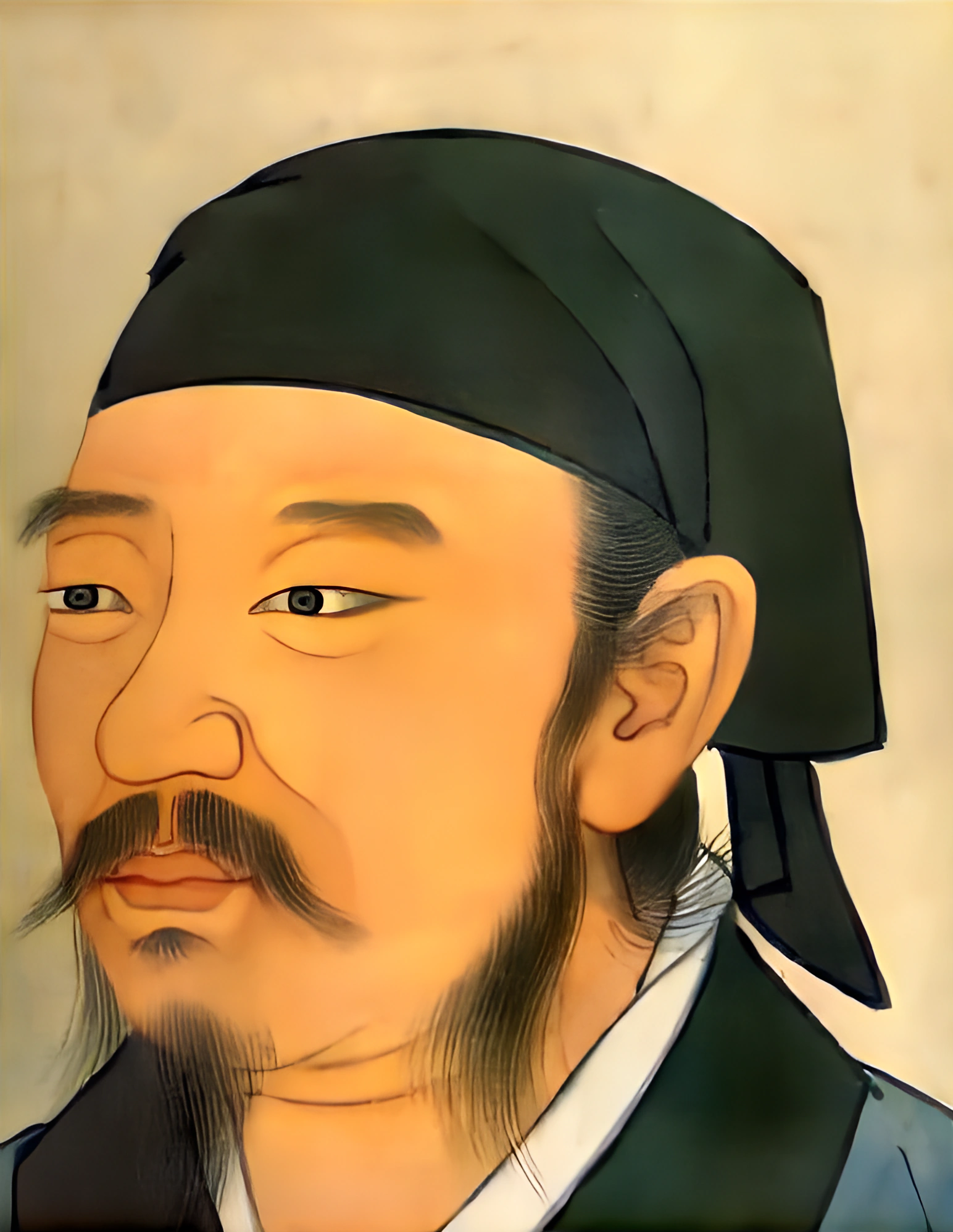
Attr: See page for author, Public domain
| 33 Quotes | |
| Born as | 荀況 |
| Known as | Xunzi |
| Occup. | Philosopher |
| From | China |
| Born | 310 BC State of Zhao, Zhou dynasty (now Shanxi, China) |
| Died | 237 BC State of Chu, Zhou dynasty |
| Cite | |
Citation Formats
APA Style (7th ed.)
Xun kuang biography, facts and quotes. (2026, February 11). FixQuotes. https://fixquotes.com/authors/xun-kuang/
Chicago Style
"Xun Kuang biography, facts and quotes." FixQuotes. February 11, 2026. https://fixquotes.com/authors/xun-kuang/.
MLA Style (9th ed.)
"Xun Kuang biography, facts and quotes." FixQuotes, 11 Feb. 2026, https://fixquotes.com/authors/xun-kuang/. Accessed 27 Mar. 2026.
Early Life and Background
Xun Kuang (Xunzi), born around 310 BCE, came of age in the late Warring States period, when Qin, Chu, Qi, Zhao, Han, Wei, and Yan competed through war, diplomacy, and administrative innovation. Later tradition places his origins in Zhao, though early sources are not fully consistent. What is clear is that he belonged to the mobile stratum of learned men who sought patrons across state lines, carrying arguments about ritual, law, agriculture, and war into courts hungry for advantage.The world he entered was intellectually crowded and morally unsettled: Mohist universalism, Daoist withdrawal, the Mencian claim of innate goodness, and the hard-nosed statecraft that would become Legalism all pressed on the same question - how to create order amid desire, scarcity, and violence. Xunzi internalized the age's harsh arithmetic. He was neither a quietist nor a utopian. His temperament, as his writing reveals, was that of a diagnostician: distrustful of easy moral optimism, confident that institutions and training could remake conduct, and impatient with theories that could not govern a household, an army, or a court.
Education and Formative Influences
Xunzi is closely associated with the Jixia Academy at Linzi in the state of Qi, a renowned center where thinkers debated before rulers and ministers. Whether he arrived early or later, Jixia represents his formation: rigorous disputation, comparative knowledge of competing schools, and a Confucian lineage reframed for an era of bureaucratic states. He read the Odes, Documents, and rites traditions as practical technologies for shaping behavior, and he absorbed administrative realities that earlier Confucians had only glimpsed - taxation, registers, ranks, and the need for consistent standards in language and law.Career, Major Works, and Turning Points
After gaining recognition in Qi, Xunzi traveled and served in other states, including Chu, where later accounts connect him to magistrate-level responsibilities in Lanling and to a circle of students who would leave an enormous imprint. His text, the Xunzi, is a compilation of essays refined across decades, notable for sustained arguments on human nature, ritual (li), music, the rectification of names, and the proper relation between Heaven (tian) and human governance. A key turning point was his open break with Mencian moral psychology: he attacked the premise that moral sprouts naturally flower, insisting instead that order is manufactured through teachers, models, and institutions. Another was his willingness to take seriously the tools of state power, which made him a bridge - and a battleground - between classical Confucian cultivation and the emerging, more coercive arts of rule.Philosophy, Style, and Themes
Xunzi's most famous claim is a provocation meant to discipline sentiment: “Human nature is evil, and goodness is caused by intentional activity”. For him, "evil" names not demonic intent but the raw tendencies of appetite, envy, and status-seeking that, if unchecked, produce conflict. He anatomizes sense-desire as morally directionless: “A person is born with desires of the eyes and ears, and a liking for beautiful sights and sounds. If he gives way to them, they will lead him to immorality and lack of restriction, and any ritual principles and propriety will be abandoned”. The inner life in Xunzi is therefore not an innocent garden but an unruly field; ethics begins when reflective effort turns impulse into patterned conduct. The cure is not suppression for its own sake, but the construction of stable channels - rite, music, law, and exemplary leadership - that convert private craving into public order.His prose is combative, systematic, and pedagogical, favoring definitions, distinctions, and cumulative refutation. The psychological wager is that people can be made good, but only through sustained craft: “Since the nature of people is bad, to become corrected they must be taught by teachers and to be orderly they must acquire ritual and moral principles”. This is why he insists on the rectification of names: language must match roles, and roles must match institutions, or desire will exploit ambiguity. Heaven, in his account, does not dispense moral favor; it operates with regularity, leaving humans responsible for outcomes. Xunzi thus prizes disciplined learning, hierarchy without cruelty, and ritual as emotional technology - a way to give grief, joy, ambition, and reverence socially legible forms rather than letting them erupt into violence.
Legacy and Influence
Xunzi's legacy is paradoxical: a Confucian who armed the Confucian project with the era's hardest realism. Through students traditionally associated with him, including Han Fei and Li Si, his emphasis on standards and institutional control fed into the Qin-Han transformation of governance, even as later Confucians often distanced themselves from his harsh view of nature. Yet the Xunzi remained a durable counterweight to sentimental moral theory - a manual for how cultures are built, not merely wished for. In later imperial debates over education, ritual, and statecraft, his voice persisted as the reminder that virtue is an achievement of training and design, and that stable civilization is the most demanding work humans undertake.Our collection contains 33 quotes written by Xun, under the main topics: Ethics & Morality - Truth - Wisdom - Music - Honesty & Integrity.
Xun Kuang Famous Works
- -250 Xunzi (Book)
Source / external links