
Yunus Emre Biography Quotes 3 Report mistakes
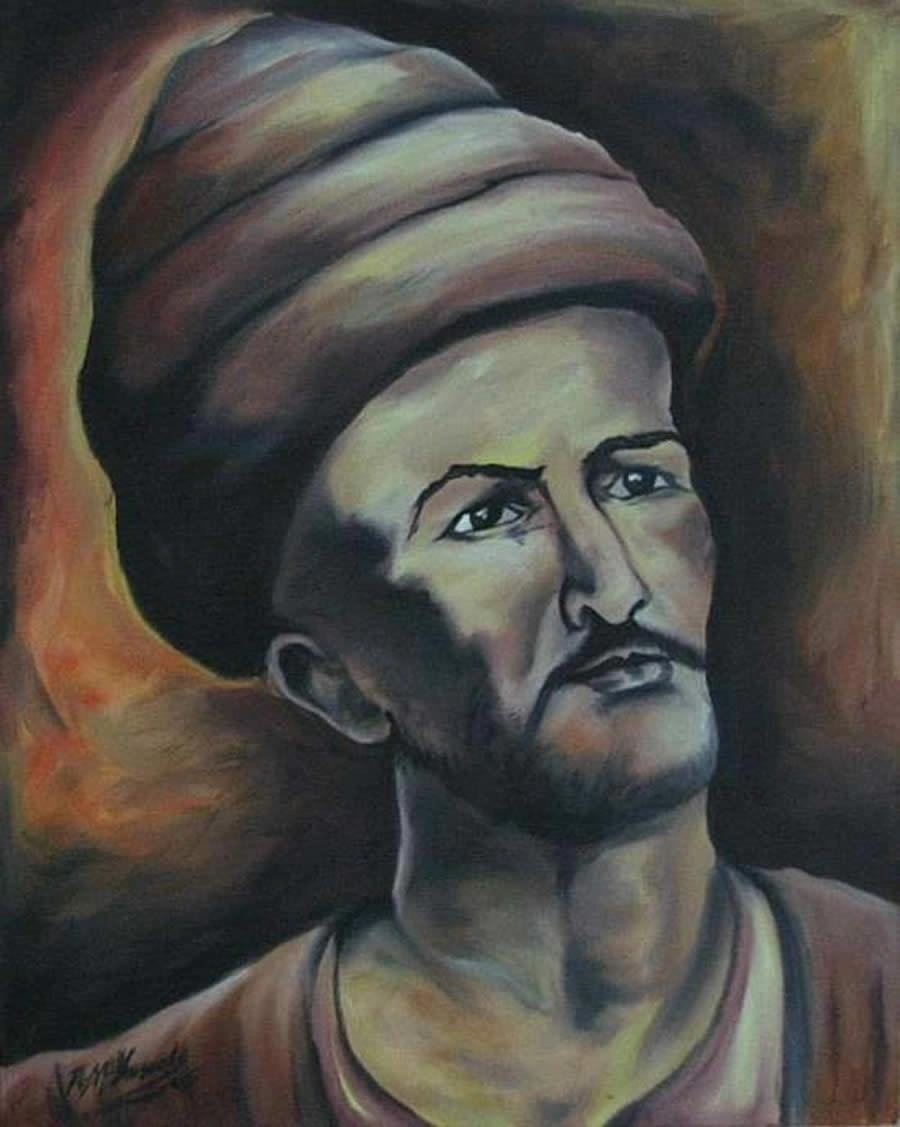
| 3 Quotes | |
| Occup. | Poet |
| From | Turkey |
| Born | 1240 AC |
| Died | 1321 AC |
| Cite | |
Citation Formats
APA Style (7th ed.)
Yunus emre biography, facts and quotes. (2026, February 11). FixQuotes. https://fixquotes.com/authors/yunus-emre/
Chicago Style
"Yunus Emre biography, facts and quotes." FixQuotes. February 11, 2026. https://fixquotes.com/authors/yunus-emre/.
MLA Style (9th ed.)
"Yunus Emre biography, facts and quotes." FixQuotes, 11 Feb. 2026, https://fixquotes.com/authors/yunus-emre/. Accessed 27 Mar. 2026.
Early Life and Background
Yunus Emre was born around 1240 in Anatolia, in a Turkish-speaking society newly settled in the former Byzantine interior and fractured among Seljuk administrators, Turkmen clans, and local religious networks. His lifetime coincided with the great unmaking of the medieval Seljuk order after the Mongol victory at Kosedag (1243), when taxes, famine, raids, and displacement became routine and authority was shared uneasily between Mongol overlords and regional beys. In that unstable landscape, popular piety and Sufi fraternities offered both survival and meaning, binding villages through lodges, kitchens, and shared ritual.Later tradition places him in central Anatolia - often linked to the Sakarya-Eskişehir line and to towns such as Sivrihisar - but his biography is largely reconstructed from poems and hagiography rather than fixed archival records. What is clear is that he belonged to the era when Oghuz Turkish was becoming a public literary language in Anatolia, and when saints and wandering dervishes served as moral authorities in a world where courts rose and collapsed quickly. Yunus emerges from that world not as a court panegyrist but as a voice shaped by ordinary speech, travel, and the devotional needs of common people.
Education and Formative Influences
He likely received basic religious instruction typical of the time - Quranic recitation, prayer, and the stories of prophets and saints - while absorbing the Persianate Sufi classics circulating through Anatolia: the language of divine love, annihilation of the ego (fana), and the disciplined path (tariqa). Tradition strongly associates him with the Sufi master Tapduk Emre, whose lodge is depicted as Yunus's long apprenticeship in humility, service, and inner polishing; whether literal or stylized, the narrative fits the ethos of Anatolian tekkes, where work, hospitality, and remembrance of God were inseparable, and where a poet could be trained as much by silence and labor as by books.Career, Major Works, and Turning Points
Yunus Emre's "career" was that of a dervish-poet whose authority traveled by word of mouth: sung hymns, recited couplets, and counsel carried from lodge to village and market. His enduring corpus is preserved under two main headings: the Divan (a body of lyric ilahis and nefes in Turkish, often in syllabic meter) and the mesnevi-like Risalet al-Nushiyya (Book of Counsel), generally dated to the early 14th century and written in a more didactic, moralizing register. The turning point implied across his poems is the move from outward religiosity to inward transformation - the passage from fear, calculation, and social rank to an ethics of love, self-emptying, and radical sincerity, presented in Turkish plain enough to be memorized, but layered enough to reward lifelong rereading.Philosophy, Style, and Themes
Yunus Emre wrote as a psychologist of the soul in crisis, treating Anatolia's political violence as the backdrop to a more intimate battlefield: the self divided against itself. His poems argue that the heart is not merely an organ of feeling but the true site of knowledge and encounter - the inner house where the divine presence can be recognized in the neighbor and even the enemy. “A heart makes a good home for the friend”. That single line encapsulates his moral program: to cultivate an inner hospitality so profound that it overrides the era's harshness, making community possible amid insecurity.His style is deceptively simple - short lines, refrains, and a speaking voice that sounds like conversation - yet it is driven by paradox and yearning. He frames the path as invitation rather than coercion, the poem itself a hand held out to the listener: “If I told you about a land of love, friend, would you follow me and come?” The psychology underneath is neither naive nor purely ecstatic; Yunus repeatedly diagnoses the mind as a servant of anxiety, and he urges a shift from compulsive rumination to surrendered trust: “Thought is an errand boy, fear a mine of worries”. In this, his mysticism remains practical - a therapy for fear - insisting that love is not ornament but discipline, enacted through patience, forgiveness, and the refusal to dehumanize.
Legacy and Influence
Yunus Emre became one of the foundational voices of Turkish literature and Anatolian Sufism, a poet whose language helped establish Turkish as a vehicle for metaphysical reflection, not merely folk song or frontier speech. His ilahis entered Alevi-Bektashi and Sunni devotional repertoires alike, sung in lodges, cem ceremonies, and public commemorations, while his themes of human dignity and divine love made him a shared cultural ancestor across sectarian lines. Modern Turkey has repeatedly returned to him - in education, state ceremonies, and popular music - because his work offers an ethical grammar for coexistence: a way to speak about faith without narrowing it, and about national identity without severing it from humility, compassion, and the inner struggle he treated as the most decisive history of all.Our collection contains 3 quotes written by Yunus, under the main topics: Wisdom - Friendship.
Yunus Emre Famous Works
- 1945 The Complete Works of Yunus Emre (Book)
Source / external links