
Zhuang Zi Biography Quotes 7 Report mistakes
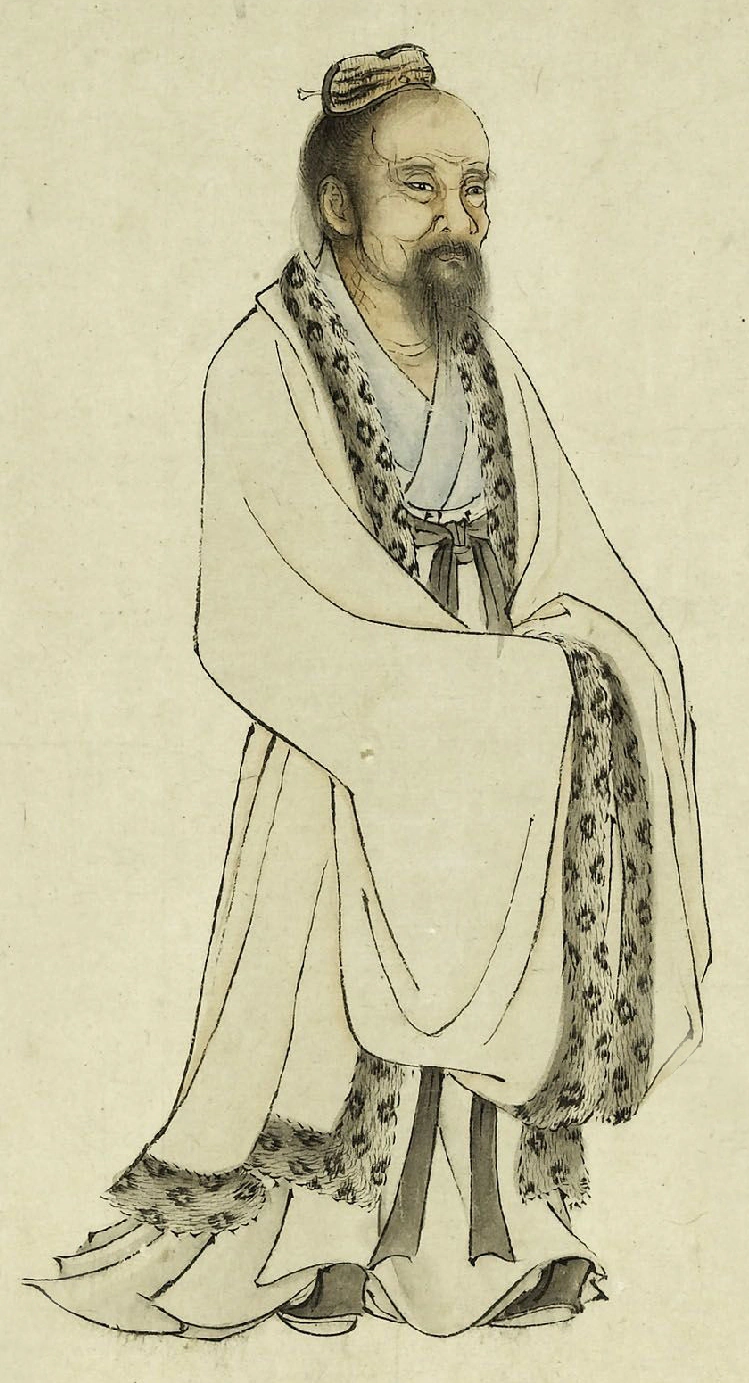
Attr: Attr
| 7 Quotes | |
| Born as | Zhuang Zhou |
| Native name | Chuang Tzu |
| Occup. | Philosopher |
| From | China |
| Born | 369 BC China |
| Died | 286 BC China |
| Cause | Natural Causes |
| Cite | |
Citation Formats
APA Style (7th ed.)
Zhuang zi biography, facts and quotes. (2026, February 11). FixQuotes. https://fixquotes.com/authors/zhuang-zi/
Chicago Style
"Zhuang Zi biography, facts and quotes." FixQuotes. February 11, 2026. https://fixquotes.com/authors/zhuang-zi/.
MLA Style (9th ed.)
"Zhuang Zi biography, facts and quotes." FixQuotes, 11 Feb. 2026, https://fixquotes.com/authors/zhuang-zi/. Accessed 25 Mar. 2026.
Early Life and Background
Zhuang Zi, born Zhuang Zhou around 369 BCE and dying around 286 BCE, emerged in the fractured world of the Warring States, when old ritual consensus had collapsed into competing courts, itinerant persuaders, and relentless war. Later tradition places him in the state of Song, often linked to the town of Meng, a region where merchants, minor nobles, and displaced scholars moved through the same streets. The social order he inherited was one of arguments: Mohists offering universal care, Confucians defending cultivated hierarchy, Legalists hardening state power, and proto-Daoist thinkers turning away from coercive politics toward nature and spontaneity.What can be said with confidence is less about dates than about stance. Zhuang Zhou wrote as someone who had watched language become a weapon and rank a kind of hypnosis. In anecdotes preserved under his name, he appears indifferent to advancement and allergic to self-importance, preferring the company of fishermen, artisans, cripples, and eccentrics - figures who expose how thin the boundary is between dignity and usefulness. His inner life, as it survives in the text, is a long refusal to let fear, reputation, and duty shrink the self into a single role.
Education and Formative Influences
Zhuang Zhou likely received the classical training available to a minor aristocrat or educated commoner: ritual lore, historical exempla, and the rhetorical skills prized by courts that hired strategists as readily as generals. Yet his deepest formation was intellectual combat - not merely with rival schools but with the very habit of taking any one perspective as final. He draws on earlier Daoist currents associated with Laozi while absorbing the Mohist taste for sharp distinctions and the Confucian concern for cultivation, then overturns them with paradox, fable, and dream, as if to show that the mind learns most when certainty is deprived of its throne.Career, Major Works, and Turning Points
Tradition describes him as holding a low post as a minor official, sometimes specified as a lacquer garden functionary, a detail that fits the texture of his writing: close to labor, close to tools, far from grandeur. The work associated with him, the Zhuangzi, became one of the foundational texts of Daoism; modern scholarship sees layers, with an "Inner Chapters" core closest to Zhuang Zhou and later "Outer" and "Miscellaneous" materials from allied writers. Its turning point is not a public event but a literary breakthrough - philosophy conducted as story, where the decisive evidence is not citation but transformation: the reader is maneuvered into seeing how quickly the self hardens around names, arguments, and anxieties, then shown an exit into a looser, more capacious life.Philosophy, Style, and Themes
Zhuang Zi is a philosopher of liberation from compulsive distinctions. Against the era's hunger for programs, he offers "wandering" - a mind that moves lightly through changing circumstances without being captured by them. In the famous image of mental clarity, “The perfect man employs his mind as a mirror; it grasps nothing, it refuses nothing, it receives but does not keep”. The psychology here is precise: suffering arises when experience is hoarded and identity clings, so freedom requires contact without possession. His ethic is not apathy but responsiveness, the skill of being fully present without making the moment into a verdict on the self.His style is inseparable from his doctrine. He mocks pedantry, stages debates that end in laughter, and uses creatures - butterflies, frogs, fish, useless trees - to reveal the provinciality of human certainty. “You cannot speak of ocean to a well-frog, the creature of a narrower sphere. You cannot speak of ice to a summer insect, the creature of a season”. The point is not to insult the frog but to diagnose limitation: every standpoint is conditioned, so dogmatism is often just the autobiography of a narrow world. Likewise his skepticism about language is therapeutic, not nihilistic: “Words exist because of meaning. Once you've gotten the meaning, you can forget the words”. Words, for Zhuang Zi, are ladders and traps - useful for crossing, dangerous when worshiped. His deepest theme is transformation: life and death, success and disgrace, self and other are shown as phases within the larger, impersonal Dao, inviting a serenity that does not need to win arguments to be real.
Legacy and Influence
Zhuang Zi endured because he offered something rarer than a system: a way to unbind the mind. His text shaped religious Daoism, Chinese literary aesthetics, and later Chan/Zen sensibilities through its distrust of rigid doctrine and its preference for direct insight. Poets and painters drew from his spaciousness; philosophers returned to his relativizing of viewpoints when politics demanded conformity. Across centuries, he has remained a guide for readers caught between ambition and exhaustion, teaching that the self is not a fortress to defend but a field to roam - and that the most durable freedom may begin where the need to be right finally loosens.Our collection contains 7 quotes written by Zhuang, under the main topics: Wisdom - Chinese Proverbs - Teaching.
Zhuang Zi Famous Works
- -369 Zhuangzi (Book)
Source / external links