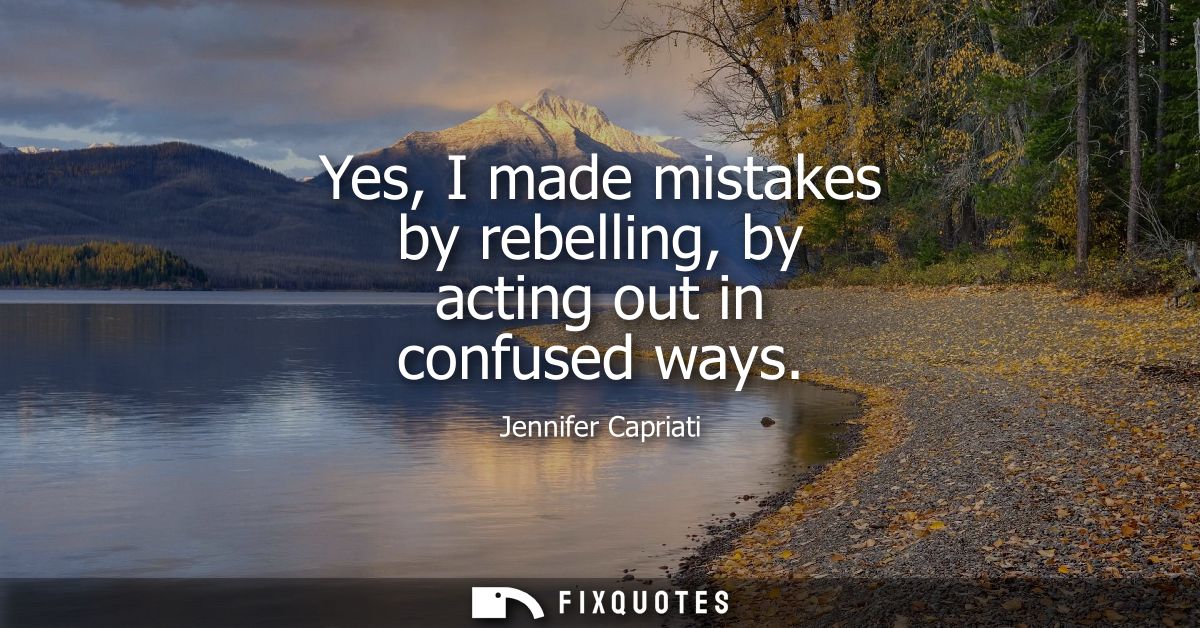
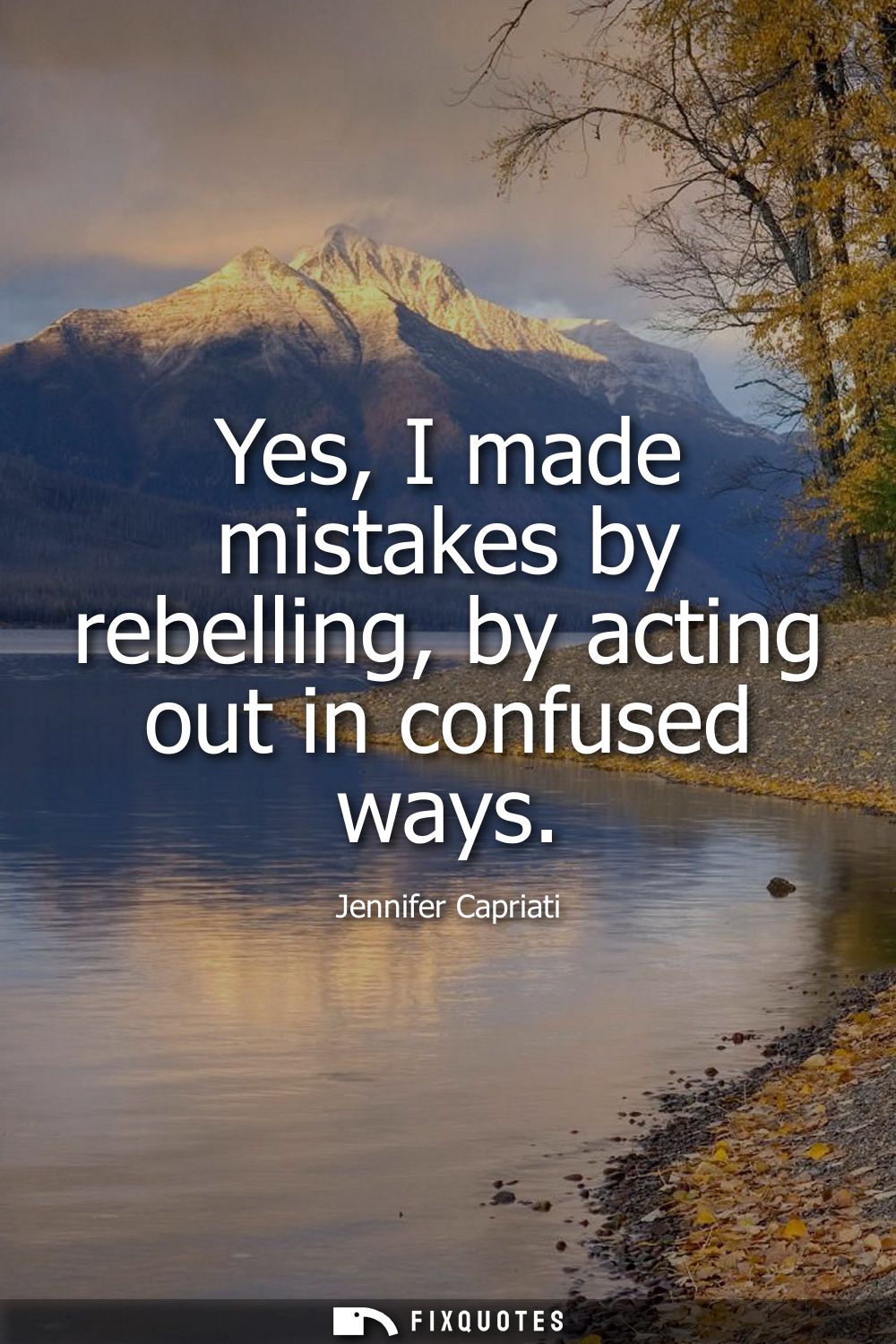
"Yes, I made mistakes by rebelling, by acting out in confused ways"
About this Quote
The line also hints at the particular cruelty reserved for teen prodigies, especially female athletes, who are expected to be machines in public and children in private. Capriati turned pro at 13, marketed as a flawless future, then punished when her humanity showed up on schedule. “Rebelling” reads less like delinquency than like a body and mind trying to reclaim agency from coaches, cameras, and expectations that arrived before she had language for them. “Acting out” borrows the vocabulary of therapy and parenting, which subtly indicts the culture that treated her as both cash cow and cautionary tale.
What makes it work is its calibrated accountability: she owns the behavior without surrendering the bigger truth about pressure, scrutiny, and adolescence performed on a global stage. It’s not a plea for pity; it’s a demand to be understood in full context, not as a headline.
Quote Details
| Topic | Learning from Mistakes |
|---|---|
| Source | Help us find the source |
| Cite |
Citation Formats
APA Style (7th ed.)
Capriati, Jennifer. (2026, January 16). Yes, I made mistakes by rebelling, by acting out in confused ways. FixQuotes. https://fixquotes.com/quotes/yes-i-made-mistakes-by-rebelling-by-acting-out-in-102384/
Chicago Style
Capriati, Jennifer. "Yes, I made mistakes by rebelling, by acting out in confused ways." FixQuotes. January 16, 2026. https://fixquotes.com/quotes/yes-i-made-mistakes-by-rebelling-by-acting-out-in-102384/.
MLA Style (9th ed.)
"Yes, I made mistakes by rebelling, by acting out in confused ways." FixQuotes, 16 Jan. 2026, https://fixquotes.com/quotes/yes-i-made-mistakes-by-rebelling-by-acting-out-in-102384/. Accessed 22 Mar. 2026.