
Short Story: A Pair of Tickets
Overview
"A Pair of Tickets" follows Jing-mei (June) Woo as she travels to China after the death of her mother, Suyuan Woo, to meet the twin daughters her mother had been forced to abandon during wartime. The story traces Jing-mei's physical journey across the ocean and her inward journey toward understanding a mother she thought she already knew. As the narrative moves from memories of immigrant life in America to the crowded streets and family reunions in China, it becomes a meditation on identity, memory, and the obligations that bind generations.
Amy Tan frames the story in intimate, first-person voice, letting Jing-mei's reflections and small, vivid details reveal both cultural dislocation and tender filial yearning. The domestic, conversational tone carries emotional weight: ordinary actions and objects, photographs, food, a folded sheet of paper, become portals into family history and sources of reconciliation.
The Journey
Jing-mei travels with her father, who becomes both companion and living link to the mother she lost. Along the way she revisits fragments of stories her mother told and the contradictions between the mythic woman her mother presented and the human being whose life was full of loss and fierce hope. The trip forces Jing-mei to confront her limited understanding of Suyuan's past and exposes how much of her identity rests on silences and untold sacrifices.
The physical movement from America to China mirrors a shifting perspective: distance and time compress into moments where memory surfaces unexpectedly. Sounds, smells, and faces elicit flashbacks that reshape Jing-mei's sense of self, and the landscape of China acts as a kind of memory theater where the mother's secrets are finally performed and made visible.
The Meeting and Revelation
The emotional core of the story is the reunion with the twin daughters. That encounter is both simple and seismic: strangers who share a bloodline exchange looks and stories, and through likenesses of face and gesture Jing-mei recognizes her mother anew. The twins embody the life Suyuan was torn from, and seeing them completes an image Jing-mei had been carrying in pieces. The reunion dissolves abstract duty into lived connection; filial obligation becomes intimacy rather than formality.
In the moment of meeting, language barriers and cultural differences fade in importance beside the recognition of family resemblance and shared history. Jing-mei experiences a clarity about who she is, an American-born daughter who is also irrevocably Chinese, and feels, finally, settled into an inherited past rather than estranged from it.
Themes and Symbols
The story examines identity as a composite of stories, losses, and inheritances. The "pair" in the title gestures both to the twin daughters and to the duality of Jing-mei's life: American and Chinese, daughter and interpreter, past and present. Travel functions as a rite of passage that remakes duty into understanding, and everyday objects and recollections serve as mnemonic anchors that allow fragmented histories to be rearranged into coherence.
At its heart, the tale is about coming home in a symbolic sense, finding a place where the scattered pieces of a family narrative fit together. Through reunion and revelation, Jing-mei learns to carry her mother's legacy not as a weight of obligation but as a living connection that reshapes her sense of self and belonging.
Citation Formats
APA Style (7th ed.)
A pair of tickets. (2026, February 4). FixQuotes. https://fixquotes.com/works/a-pair-of-tickets/
Chicago Style
"A Pair of Tickets." FixQuotes. February 4, 2026. https://fixquotes.com/works/a-pair-of-tickets/.
MLA Style (9th ed.)
"A Pair of Tickets." FixQuotes, 4 Feb. 2026, https://fixquotes.com/works/a-pair-of-tickets/. Accessed 12 Feb. 2026.
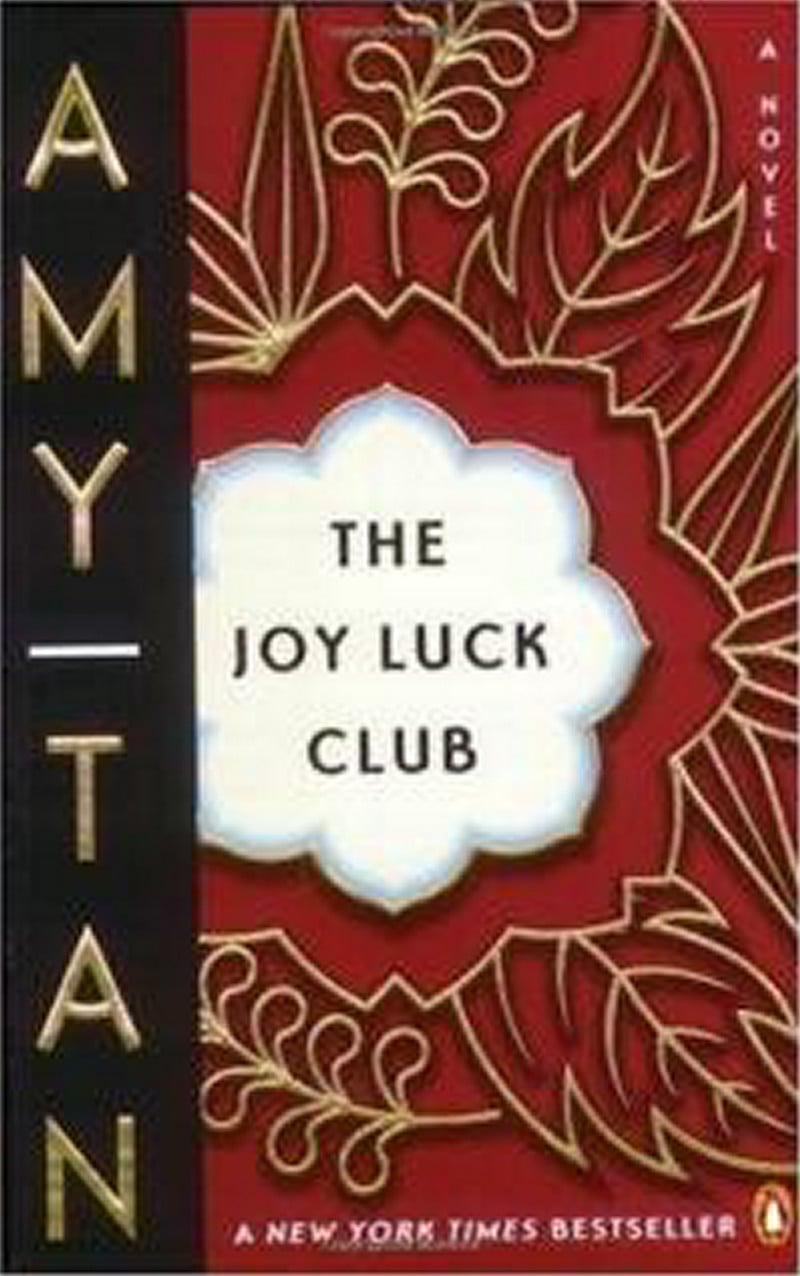
A Pair of Tickets
A story of self-discovery in which Jing-mei (June) Woo travels to China to meet her deceased mother's twin daughters, confronting heritage, identity and the meaning of filial duty.
- Published1989
- TypeShort Story
- GenreFiction, Short story
- Languageen
- CharactersJing-mei Woo
- Links
About the Author
Amy Tan
Amy Tan - author of The Joy Luck Club and other novels; biography, selected quotes, themes, major works, and career overview.
View Profile- OccupationNovelist
- FromUSA
-
Other Works
- Rules of the Game (1989)
- Two Kinds (1989)
- The Joy Luck Club (1989)
- The Kitchen God's Wife (1991)
- The Moon Lady (1992)
- Sagwa, the Chinese Siamese Cat (1994)
- The Hundred Secret Senses (1995)
- The Bonesetter's Daughter (2001)
- The Opposite of Fate: Memories of a Writing Life (2003)
- Saving Fish from Drowning (2005)
- The Valley of Amazement (2013)
- Where the Past Begins: A Writer's Memoir (2016)