
Poetry: A Season in Hell
Overview
A Season in Hell is a long, hybrid prose-poem that reads like a fevered autobiography. It traces a narrator's descent into disillusionment, spiritual crisis and moral solitude, then moves through a frantic assessment of sin, genius and exile. The language alternates between searing clarity and hallucinatory frenzy, producing a confessional register that feels both intimate and prophetic.
Written when Arthur Rimbaud was scarcely out of his teens, the text records a radical rupture with received faith, social norms and poetic convention. The narrative voice interrogates the cost of visionary freedom and the burdens of creative ambition, often turning its sharpest irony on the narrator's own illusions and contradictions. The work closes on a note of decisive withdrawal, which has been widely read as a farewell to active poetic life.
Structure and Voice
The book is divided into titled sections that shift tone and form, from declamatory apostrophes to list-like catalogues and elliptical reportage. Rimbaud deploys a restless, conversational voice that moves abruptly between argument, lament and incantation. Sentences expand into visionary sequences and then collapse into terse, aphoristic pronouncements, making the prose both narratively driven and poetically charged.
Rimbaud writes as both witness and accused, often adopting second-person addresses and fragmented memories to unsettle any stable selfhood. The result is a destabilized autobiographical mode in which identity is continuously renegotiated through language. The voice is at once intimate and distancing: confession becomes performance, and confession's truth is constantly under interrogation.
Key Themes and Imagery
Revolt and disenchantment are central. The narrator rejects institutional religion and bourgeois morality while scrutinizing the moral compromises intrinsic to artistic striving. Guilt and liberation intermingle; the "hell" of the title functions less as a theological damnation than as an inner geography of hallucination, regret and hyperawareness. Beauty and abjection coexist, and wonder is priced by exile and loneliness.
Visionary experience and language as both weapon and wound recur throughout. Images are startlingly synesthetic: colors, sounds and bodily sensations merge into symbolic tableaux that enact spiritual and psychic transformations. Landscape often mirrors inner states, and travel motifs, wandering, flight, return, structure the rhetoric of exile. Love and betrayal, especially the narrator's entangled relationships and failures, provide the emotional engine that drives many of the text's moral reckonings.
Style and Formal Innovations
Rimbaud abandons conventional lyric metre for a prose that retains poetic density. He uses metaphor and shocking juxtapositions to compress complex philosophical and emotional insights into luminous fragments. The prose's musicality and mnemonic repetitions create a cumulatively hallucinatory effect, while abrupt tonal shifts keep the reader off-balance and alert.
The hybrid form allows philosophical rumination alongside vivid narrative episodes; the work reads at once like a poem, a manifesto and a spiritual diary. Such formal experimentation intensifies the sense of an artist testing the limits of language to name inner dissolution and possible redemption.
Legacy and Interpretation
A Season in Hell has been read as Rimbaud's poetic testament and as the record of a decisive break with literary activity. It has influenced symbolist and modernist writers who admired its daring syntax, emotional intensity and corrosive skepticism. Critics and readers continue to debate its stance toward confession, performance and authenticity, and its unresolved ending has fueled numerous interpretations about renunciation, survival and the costs of visionary art.
Beyond its historical role, the work endures because it stages the perennial problem of creativity under the conditions of suffering and alienation. Its voice, simultaneously youthful and world-weary, offers a harsh, luminous map of a soul that refuses either consolation or easy self-knowledge.
Citation Formats
APA Style (7th ed.)
A season in hell. (2026, February 14). FixQuotes. https://fixquotes.com/works/a-season-in-hell/
Chicago Style
"A Season in Hell." FixQuotes. February 14, 2026. https://fixquotes.com/works/a-season-in-hell/.
MLA Style (9th ed.)
"A Season in Hell." FixQuotes, 14 Feb. 2026, https://fixquotes.com/works/a-season-in-hell/. Accessed 6 Mar. 2026.
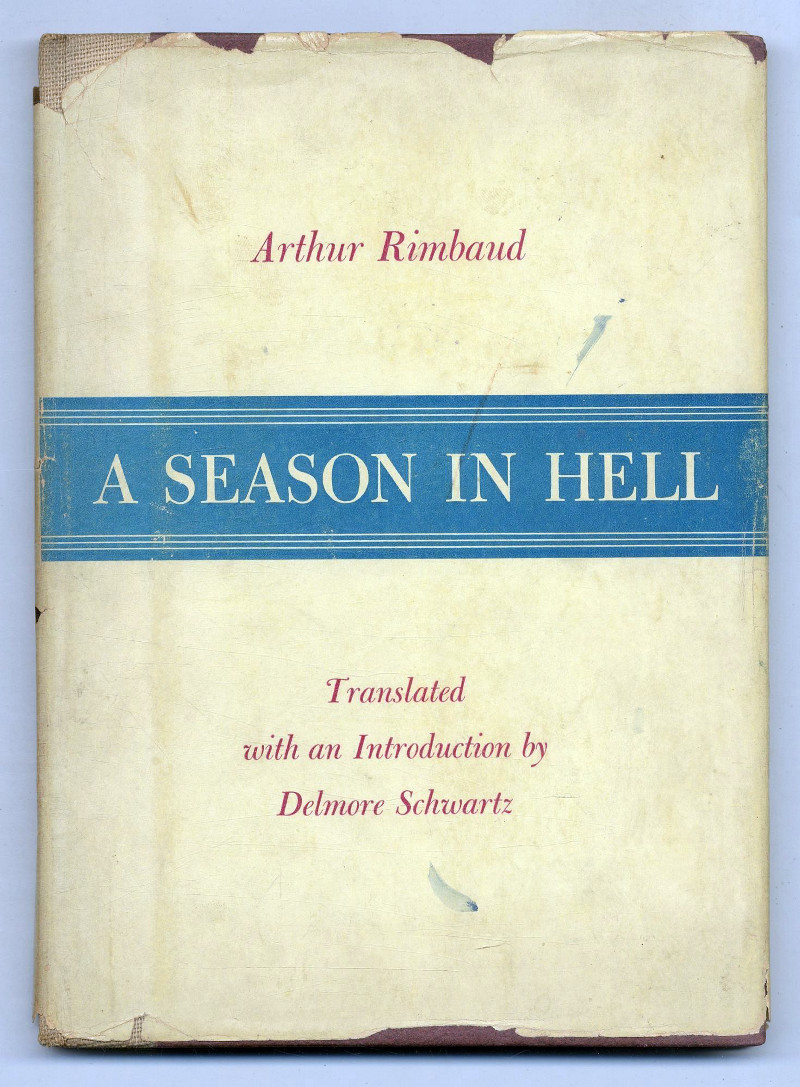
A Season in Hell
Original: Une Saison en Enfer
A long, prose-poem autobiographical work in which Rimbaud recounts his spiritual crisis, revolt, and poetic vocation; it blends confession, visionary imagery and self-exile and is often read as his poetic testament before abandoning literature.
- Published1873
- TypePoetry
- GenreProse Poetry, Symbolism, Autobiographical
- Languagefr
- Links
About the Author

Arthur Rimbaud
Arthur Rimbaud: concise biography, curated quotes and literary context tracing his journey from provincial childhood to poetic rebellion.
View Profile- OccupationPoet
- FromFrance
-
Other Works
- Ophelia (1870)
- Sensation (1870)
- The Sleeper in the Valley (1870)
- My Bohemia (1870)
- Poems (early) (1870)
- Letter of the Seer (1871)
- Vowels (1871)
- The Drunken Boat (1871)
- Illuminations (1886)