
Play: Aureng-Zebe
Overview
John Dryden’s Aureng-Zebe is a heroic tragedy set in the Mughal court, dramatizing a crisis of succession and a conflict between filial duty and romantic desire. The action turns on the rivalry among an aging Emperor and his sons, Dara, Aureng-Zebe, and Morat, while a court beauty, Indamora, and the politically adept Empress, Nourmahal, draw the princes into entanglements of love, jealousy, and ambition. Dryden builds the drama around the contrast between Aureng-Zebe’s steadfast virtue and the corrosive passions of power.
Setting and principal figures
The Emperor, conscious of his waning strength, clings to authority and to a late-blooming infatuation with Indamora, whose beauty has made her the ornament of the court. Aureng-Zebe, his ablest and most dutiful son, returns from successful campaigns already devoted to Indamora. Dara, the favored heir by custom, is humane but irresolute. Morat is bold, impatient, and susceptible to flattery. Nourmahal, the Empress and stepmother to the princes, is the court’s chief intriguer, aligning sentiment to strategy and turning love into leverage.
Plot
Aureng-Zebe’s homecoming reveals a hidden fracture: the Emperor intends to claim Indamora for himself. Torn between reverence for his father and faith to his beloved, Aureng-Zebe suppresses his passion, consenting to a renunciation that wounds both lovers. The Emperor, inflamed by jealousy and haunted by age, begins to mistrust the son whose loyalty should have secured him. Nourmahal quietly feeds this suspicion, for she sees in familial discord the opening for a different succession.
Beyond the palace, the empire trembles. Dara commands loyalists yet falters in decision; Morat, audacious and hungry for the crown, answers Nourmahal’s whisperings and raises rebellion. As provinces slip and armies waver, the Emperor sends Aureng-Zebe from court, whether to prove his obedience or to remove a rival to his affections. Aureng-Zebe accepts exile as another form of service, determined to defend the throne even against his own brothers.
The struggle sharpens. Dara’s forces scatter; his honor cannot hold the tide. Morat advances with the Empress’s covert aid, promising her power in exchange for the keys of the state. Within the palace, Indamora resists becoming a prize of policy, maintaining her constancy to Aureng-Zebe while steering clear of outright defiance that would doom them both. The Emperor’s passion darkens into fear; he hesitates between surrender and severity and, in a celebrated meditation on the frauds of life and the ebb of desire, feels the vanity of grasping at what age denies.
Aureng-Zebe’s arms prevail in the field. He checks Morat’s rise, rescues the tottering authority of the crown, and refuses to purchase victory with crimes. Morat, thwarted, doubles his treachery; Nourmahal risks all on a final gambit. The net of conspiracies tightens, but constancy outlasts cunning. Exposed and defeated, the faction collapses. The Emperor, at last seeing that his son’s restraint has been his surest bulwark, puts off jealousy and acknowledges both Aureng-Zebe’s merit and Indamora’s integrity.
Resolution and tone
The dynastic storm clears with the fall of the turbulent brother and the withdrawal of the Empress’s designs. Whether by death or abdication, the Emperor yields what his age could no longer keep. Aureng-Zebe, vindicated by service rather than usurpation, assumes the burden of rule and is joined with Indamora, love restored to honor by patience. The play marries pageant and moral trial: statecraft fails when driven by appetite, while measured courage and filial piety knit private virtue to public peace. Dryden’s couplets frame the wars of succession as a drama of self-mastery, setting a ruler’s true greatness against the glittering temptations of power.
Citation Formats
APA Style (7th ed.)
Aureng-zebe. (2026, February 4). FixQuotes. https://fixquotes.com/works/aureng-zebe/
Chicago Style
"Aureng-Zebe." FixQuotes. February 4, 2026. https://fixquotes.com/works/aureng-zebe/.
MLA Style (9th ed.)
"Aureng-Zebe." FixQuotes, 4 Feb. 2026, https://fixquotes.com/works/aureng-zebe/. Accessed 6 Mar. 2026.
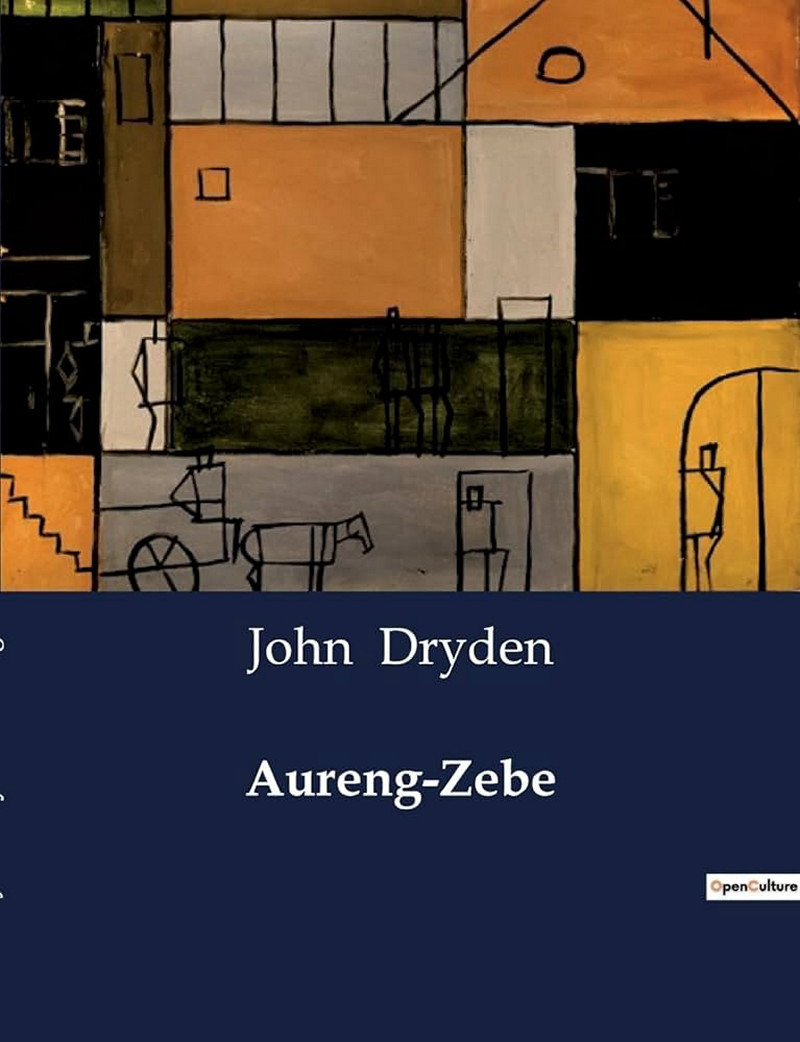
Aureng-Zebe
Aureng-Zebe is a tragedy about the Mughal emperor Aurangzeb, who struggles with his conflicting desires for power, love, and the loyalty of his subjects. The play explores themes of ambition, betrayal, and moral dilemmas.
About the Author

John Dryden
John Dryden, notable 17th century English poet, dramatist, and critic, known for his satire and dramatic poetics.
View Profile- OccupationPoet
- FromEngland
-
Other Works
- Annus Mirabilis (1667)
- All for Love (1678)
- Absalom and Achitophel (1681)
- Mac Flecknoe (1682)