
Poetry Collection: Bread, Wine and Salt
Overview
"Bread, Wine and Salt" gathers poems that observe ordinary lives with a mixture of tenderness and blunt honesty. Set largely in rural Canada, the voice moves between quiet domestic scenes and the broader landscape, tracing the rhythms of work, hunger, faith, and small-town exchanges. The title itself suggests sustenance and ritual, promising poems that measure both physical needs and emotional appetites.
The collection balances narrative detail with lyric compression, shifting easily from anecdote to image. Personal memory and communal history sit side by side, producing poems that feel both intimate and socially aware.
Themes and Tone
Sustenance, literal and symbolic, threads through the poems: bread, wine, and salt recur as signifiers of survival, celebration, and the everyday sacrament of living. The poems attend to bodily needs, to farewells and feasts, and to how people mark significances with small, repeated gestures. There is also a persistent sense of moral questioning, where ordinary choices reveal larger ethical tensions.
Tone ranges from ironic and wry to quietly mournful. Humor appears as a mitigating force, often used to pierce pretension or to make loss bearable, but it never fully disguises the underlying melancholy. A steady compassion informs observations of flawed characters, farmers, labourers, neighbors, rendering them with dignity and grit.
Key Images and Motifs
Rural images, fields, kitchen tables, weathered hands, roadside churches, anchor the poems in a tangible world. Domestic artifacts and simple rituals function as metaphors: a loaf, a poured drink, a pinch of salt become entry points to memory, regret, and gratitude. Light and weather often mirror emotional states, linking landscape to interior life.
The recurrent contrast between abundance and lack sharpens the poems' moral perspective. Moments of communal sharing stand out against scenes of isolation, and the friction between private longing and communal expectation provides dramatic tension throughout the collection.
Style and Form
The language is plainspoken and economical, favoring clarity over ornamental flourish. Lines are frequently conversational, yet the diction is carefully controlled so that colloquial speech attains lyrical force. Narrative sequences coexist with compact lyrical pieces, and the poems often shift perspective, from first person to more distanced observers, creating a layered sense of witness.
Formal play appears sporadically, occasional rhyme, refrains, or repeated images, but the prevailing mode is free verse tuned to the cadences of everyday speech. The result is accessible poetry that still rewards repeated reading for its compressed emotional intelligence.
Significance and Legacy
The collection helped consolidate a voice that would become influential in Canadian letters, particularly for its attention to Maritime life and working-class realities. Its empathy for ordinary people and its refusal of sentimental simplification made it both regionally rooted and widely resonant. Critics and readers have noted how the poems combine moral seriousness with an artist's ear for detail.
Over time, the work has been read as an early articulation of themes that recur throughout the poet's career: mortality, belonging, and the ways small rituals sustain human community. The poems continue to be valued for their humanity, precision, and the steadiness of their witness to lives often overlooked.
Citation Formats
APA Style (7th ed.)
Bread, wine and salt. (2026, February 4). FixQuotes. https://fixquotes.com/works/bread-wine-and-salt/
Chicago Style
"Bread, Wine and Salt." FixQuotes. February 4, 2026. https://fixquotes.com/works/bread-wine-and-salt/.
MLA Style (9th ed.)
"Bread, Wine and Salt." FixQuotes, 4 Feb. 2026, https://fixquotes.com/works/bread-wine-and-salt/. Accessed 7 Feb. 2026.
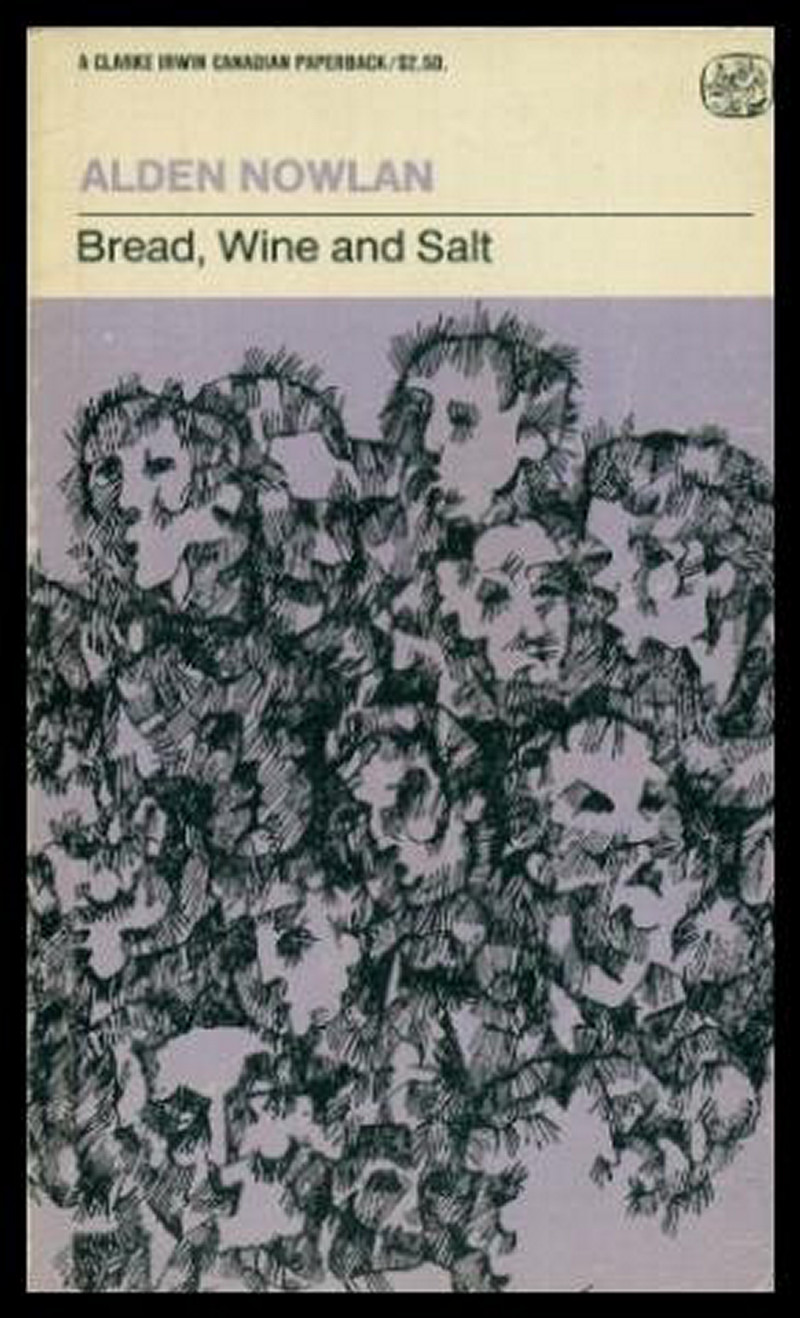
Bread, Wine and Salt
A collection of poems that explore a wide array of themes, including nature, human relationships, and personal experiences in rural Canada.
- Published1967
- TypePoetry Collection
- GenrePoetry
- LanguageEnglish
About the Author

Alden Nowlan
Alden Nowlan, a celebrated Canadian poet known for his heartfelt and insightful literary contributions.
View Profile- OccupationPoet
- FromCanada
-
Other Works
- An Exchange of Gifts (1961)
- I Might Not Tell Everybody This (1990)