
Ashleigh Banfield Biography Quotes 3 Report mistakes
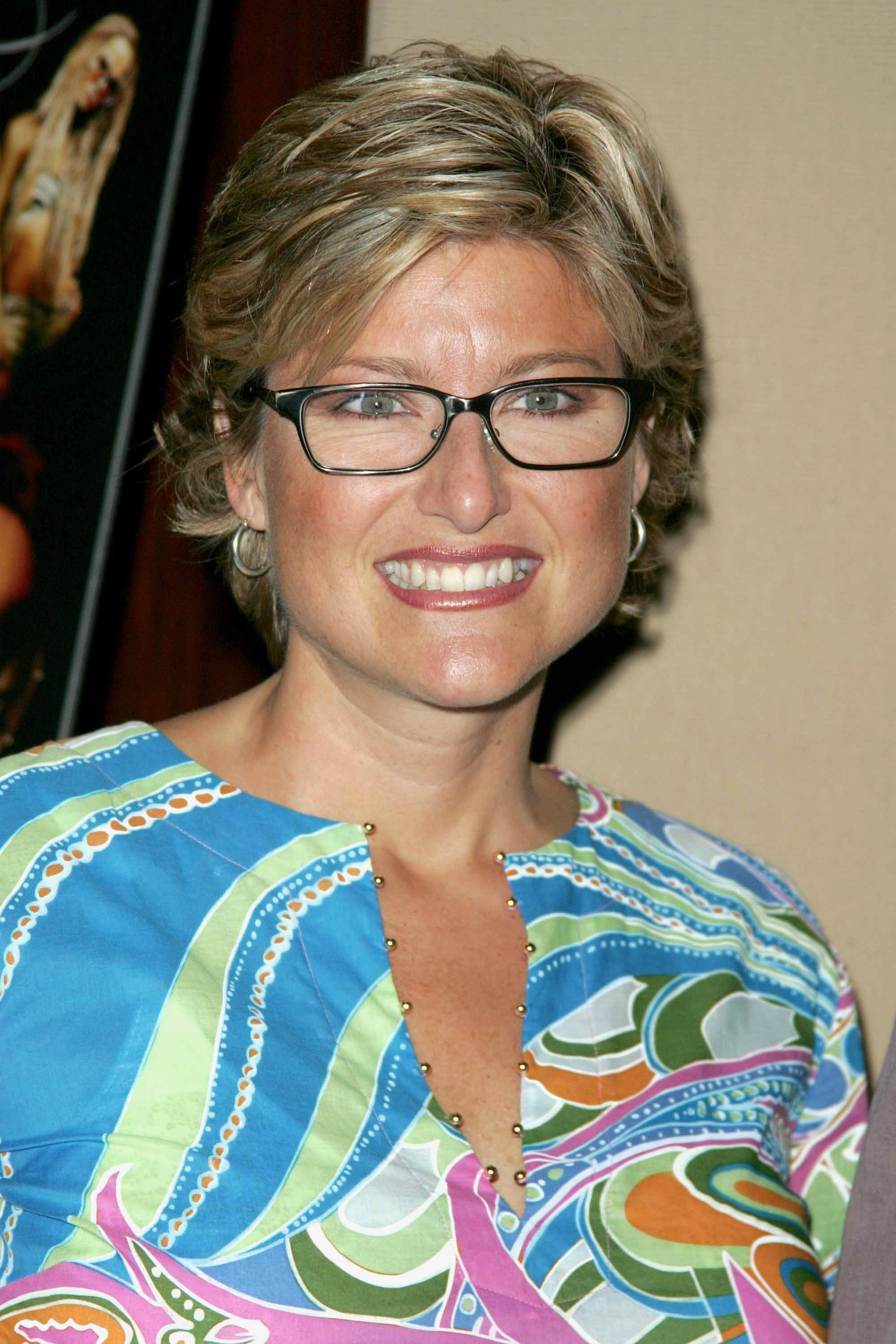
| 3 Quotes | |
| Occup. | Journalist |
| From | Canada |
| Born | December 29, 1967 Winnipeg, Manitoba |
| Age | 58 years |
| Cite | |
Citation Formats
APA Style (7th ed.)
Ashleigh banfield biography, facts and quotes. (2026, February 11). FixQuotes. https://fixquotes.com/authors/ashleigh-banfield/
Chicago Style
"Ashleigh Banfield biography, facts and quotes." FixQuotes. February 11, 2026. https://fixquotes.com/authors/ashleigh-banfield/.
MLA Style (9th ed.)
"Ashleigh Banfield biography, facts and quotes." FixQuotes, 11 Feb. 2026, https://fixquotes.com/authors/ashleigh-banfield/. Accessed 12 Feb. 2026.
Early Life and Background
Ashleigh Dennistoun Banfield was born on December 29, 1967, in Winnipeg, Manitoba, and grew up in Canada during a period when national identity, bilingual politics, and U.S.-dominated media were all pressing questions. That cross-border tension - admiring American scale while guarding Canadian perspective - would later shape her on-air persona: fluent in U.S. television rhythms yet persistently skeptical of spectacle.Her early ambitions formed in an era of high-profile calamity coverage - from the late Cold War to televised disasters that made anchors into moral referees. Banfield showed an early attraction to the mechanics of storytelling and the ethics behind it, gravitating toward reporting that put viewers close to events without letting them forget what distance and editing can hide. The result was a temperament drawn to intensity but uneasy with easy narratives, especially in war and crime reporting.
Education and Formative Influences
Banfield studied political science and French at Queen's University in Kingston, Ontario, then trained more directly for journalism at Ryerson Polytechnic University in Toronto (now Toronto Metropolitan University). Queen's gave her a pragmatic understanding of institutions and power; Ryerson sharpened the craft - how to ask, verify, and narrate under deadline. As Canadian television news modernized in the 1990s and cable accelerated the demand for live presence, she absorbed a lesson that would recur across her career: the medium rewards certainty, but reporting often lives in ambiguity.Career, Major Works, and Turning Points
She began in Canadian broadcasting, working at stations including CJBN-TV in Kenora and later in the Toronto market, before moving into U.S. cable and network news as her reputation for high-pressure field reporting grew. At MSNBC she became a recognizable face during major breaking-news cycles, then joined NBC News and appeared across NBC and MSNBC platforms, including roles tied to "A Current Affair" and later the anchor chair. A defining turning point came with her coverage in and around Afghanistan and Iraq in the post-9/11 period, where live reports, embedded access, and the demand for immediacy collided with the limits of what cameras could show. After leaving NBC, she continued as a prominent cable anchor and interviewer, later hosting programs built around courtroom drama and true-crime scrutiny, including "Legal View with Ashleigh Banfield" and the long-running "Banfield", as she shifted from battlefield reporting to the forensic theater of American justice.Philosophy, Style, and Themes
Banfield's work is marked by a controlled intensity: brisk delivery, plainspoken framing, and a willingness to name what she thinks is missing from the official story. Her reporting temperament is defined less by cynicism than by a kind of moral accounting - what viewers were allowed to see, what they were encouraged to feel, and what those choices implied. That stance is inseparable from her own ambivalence about the privileges and injuries of elite newsrooms and frontline access, an ambivalence she has acknowledged directly: "I've had some of the best and most traumatizing experiences at NBC". The sentence compresses a psychological pattern visible in her career - attraction to consequential work paired with an awareness that proximity to trauma extracts a price.War coverage, especially, pushed her into questions about mediated reality. She has described how the grammar of televised combat can substitute symbols for suffering - smoke, distant impacts, triumphant briefings - producing an edited war that feels cleaner than it is: "We didn't see what happened after mortars landed, only the puff of smoke. There were horrors that were completely left out of this war. So was this journalism? Or was this coverage?" That distinction - journalism as inquiry versus coverage as performance - becomes a guiding theme in her later pivot to legal and investigative television, where she often emphasizes process, evidence, and accountability rather than a single cathartic verdict.
Another recurring concern is the feedback loop between images and public appetite for conflict. In reflecting on the early post-9/11 years, she warned that sanitized narratives can lower political friction for future interventions: "I'm not sure Americans are hesitant to do this again - to fight another war, because it looked to them like a courageous and terrific endeavor". Her style, then, is not only a way of speaking but a form of resistance - pressing viewers to notice how heroism, fear, and national purpose are packaged, and how easily that packaging becomes policy.
Legacy and Influence
Banfield's enduring influence lies in how she embodies the transition from late-20th-century broadcast authority to 21st-century cable immediacy, and then into the true-crime and courtroom-centered era where narrative, outrage, and civic education compete on the same set. As a Canadian who rose to prominence in U.S. television, she also models a cross-border journalistic identity - steeped in North American politics yet alert to the dangers of national mythmaking. Her career stands as a case study in what modern anchors inherit: the privilege of the platform, the psychological toll of proximity to trauma, and the responsibility to remind audiences that what looks complete on television may be only a curated fragment of reality.Our collection contains 3 quotes written by Ashleigh, under the main topics: Work - War.
Source / external links