
James Monroe Biography Quotes 21 Report mistakes
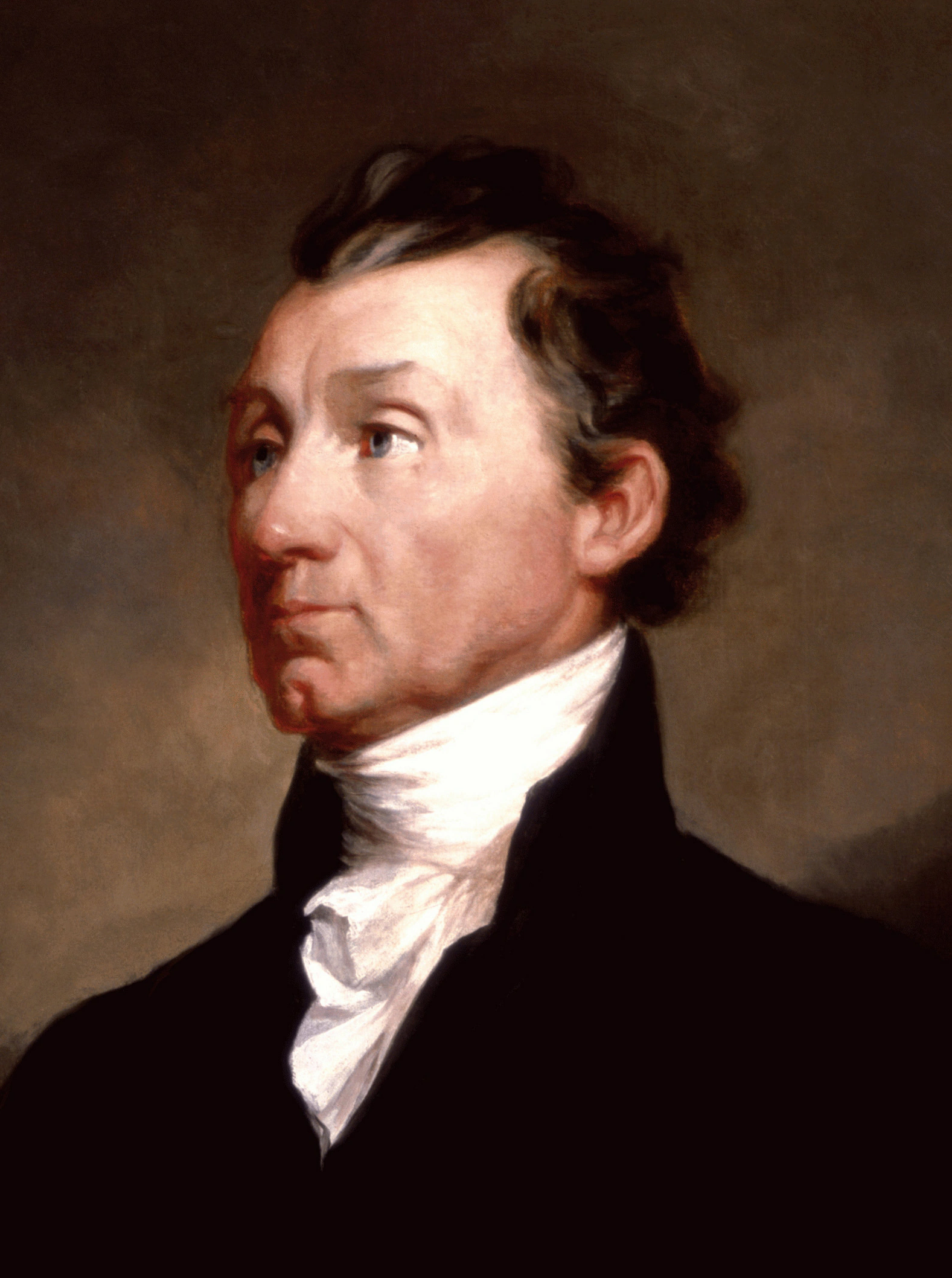
| 21 Quotes | |
| Known as | The Last Cocked Hat |
| Occup. | President |
| From | USA |
| Spouse | Elizabeth Kortright |
| Born | April 28, 1758 Westmoreland County, Virginia, British America |
| Died | July 4, 1831 New York City, New York, United States |
| Cause | Heart failure |
| Aged | 73 years |
| Cite | |
Citation Formats
APA Style (7th ed.)
James monroe biography, facts and quotes. (2026, February 11). FixQuotes. https://fixquotes.com/authors/james-monroe/
Chicago Style
"James Monroe biography, facts and quotes." FixQuotes. February 11, 2026. https://fixquotes.com/authors/james-monroe/.
MLA Style (9th ed.)
"James Monroe biography, facts and quotes." FixQuotes, 11 Feb. 2026, https://fixquotes.com/authors/james-monroe/. Accessed 12 Feb. 2026.
Early Life and Background
James Monroe was born April 28, 1758, in Westmoreland County, Virginia, on the tidal plain of the Potomac where plantation agriculture, slavery, and Anglican gentry politics shaped daily life. His father, Spence Monroe, was a middling planter; his mother, Elizabeth Jones Monroe, came from a locally rooted family. The social order offered ambition to white Virginian boys with land and connections, but it also pressed them into a culture of honor, militia duty, and suspicion of distant authority.Orphaned young and thrust toward adulthood, Monroe absorbed the revolutionary ferment that swept the Chesapeake after 1774. The language of rights and the reality of British arms converged on his generation as personal stakes: property could be confiscated, communities occupied, and reputations made or broken. That early collision between vulnerability and public duty would recur in his later governing instinct to fortify the nation while claiming moderation.
Education and Formative Influences
Monroe briefly attended the College of William and Mary in Williamsburg, then left in 1776 to join the Continental Army, trading classical study for battlefield apprenticeship. In the war he was wounded at Trenton and served as an aide under officers like William Alexander (Lord Stirling), experiences that taught him logistics, coalition management, and the limits of paper authority. Afterward he read law under Thomas Jefferson, entering the intellectual orbit of Virginia republicanism, where fear of concentrated power coexisted with faith in an agrarian citizenry and in the educability of public virtue.Career, Major Works, and Turning Points
Monroe moved from soldier to statesman: Virginia legislator; member of the Continental Congress (1783-1786), where he backed western claims and a stronger national footing for the Union; U.S. senator (1790-1794); and minister to France (1794-1796), where he sympathized with the French Revolution and was recalled after clashes with the Washington administration. Later he served as governor of Virginia, then as minister to Britain (and special envoy) helping negotiate the Louisiana Purchase in 1803, an expansion that remade the republic he had fought to create. As Madison's secretary of state and, uniquely, secretary of war during the War of 1812, he faced invasion, administrative breakdown, and the urgent need for professional preparedness. Elected fifth president (1817-1825), he presided over the "Era of Good Feelings" yet confronted the Panic of 1819, the Missouri Compromise (1820), and the diplomatic reorientation expressed in the Monroe Doctrine (1823), warning European powers against new colonization in the Americas while leaning on British naval reality for enforcement.Philosophy, Style, and Themes
Monroe's inner life was disciplined rather than flamboyant - a soldier's temperament carried into civil office. He sought legitimacy through proximity: long tours of the states, careful attention to militia and fortifications, and a preference for consensus over theatrical conflict. His politics aimed to stabilize the Revolution's gains by making the federal government competent without making it, in republican eyes, dangerous. That balance explains his alternating impulses: to call for defenses and internal improvements, yet to frame them in constitutional restraint and public-spirited necessity.His public philosophy fused honor, security, and prudence. "National honor is the national property of the highest value". The sentence reads like a personal creed from a man formed in a culture where reputation was currency and where weak posture invited coercion. Yet he also warned against the psychology of permanent militarization: "Preparation for war is a constant stimulus to suspicion and ill will". This tension - arm enough to deter, but not so much that fear governs policy - sits at the heart of the Monroe Doctrine and his post-1812 reforms. When he did justify firmness, he grounded it in moral continuity rather than opportunism: "The right of self defense never ceases. It is among the most sacred, and alike necessary to nations and to individuals, and whether the attack be made by Spain herself or by those who abuse her power, its obligation is not the less strong". In Monroe's mind, statecraft was not merely interest, but character under pressure.
Legacy and Influence
Monroe died on July 4, 1831, in New York City, the third president to die on Independence Day, a coincidence that fixed him in national memory as a Revolutionary survivor who helped institutionalize independence. His name endures most through the Monroe Doctrine, which became a flexible justification for hemispheric policy long after its original context of fragile republics and European restoration politics. Less celebrated but equally consequential was his administrative imprint: the post-1812 drive for coastal defenses, a more reliable War Department, and a steadier diplomacy that treated expansion, slavery, and sectional compromise as problems to be managed rather than theatrically solved. Monroe's influence is thus paradoxical - a president of consensus whose era incubated future conflict, and a moderate whose insistence on honor and self-defense set durable boundaries for American power.Our collection contains 21 quotes written by James, under the main topics: Motivational - Ethics & Morality - Wisdom - Justice - Leadership.
Other people related to James: Patrick Henry (Politician), John Quincy Adams (President), Billie Holiday (Musician), Samuel Morse (Inventor), John C. Calhoun (Statesman), Rufus King (Lawyer), Joel Barlow (Poet), Edward Livingston (Judge), John Tyler (President), Richard Henry Lee (Politician)
James Monroe Famous Works
- 1824 Annual Message to Congress, 1824 (State of the Union) (Non-fiction)
- 1823 Annual Message to Congress (The Monroe Doctrine) (Non-fiction)
- 1822 Annual Message to Congress, 1822 (State of the Union) (Non-fiction)
- 1821 Annual Message to Congress, 1821 (State of the Union) (Non-fiction)
- 1821 Second Inaugural Address of James Monroe (Non-fiction)
- 1820 Annual Message to Congress, 1820 (State of the Union) (Non-fiction)
- 1819 Annual Message to Congress, 1819 (State of the Union) (Non-fiction)
- 1818 Annual Message to Congress, 1818 (State of the Union) (Non-fiction)
- 1817 Annual Message to Congress, 1817 (State of the Union) (Non-fiction)
- 1817 First Inaugural Address of James Monroe (Non-fiction)
Source / external links