
How Are We to Live?: Ethics in an Age of Self-Interest
Overview
Peter Singer examines the tension between self-interest and moral obligation and urges readers to confront how private choices shape public outcomes. He frames ethics not as abstruse theory but as a practical guide to everyday decisions, arguing that moral reasoning can and should influence personal habits, social institutions, and public policy. Singer's voice is direct and often provocative, pushing readers to reconsider comfortable assumptions about what counts as a justified pursuit of one's own good.
Main Themes
A central theme is the conflict between narrow self-interest and the impartial demands of morality. Singer explores why people tend to prioritize family, friends, and immediate returns, and asks whether moral principles should require broader concern for strangers, future generations, and nonhuman animals. He juxtaposes versions of ethical egoism with consequentialist and utilitarian approaches, urging a sharper awareness of how actions produce benefits and harms beyond immediate circles.
Ethical Frameworks and Arguments
Singer draws on utilitarian reasoning while engaging with other traditions to show how ethical theory bears on real choices. He emphasizes consequences, the equal consideration of interests, and the importance of consistency in moral judgments. Singer confronts common defenses of self-interested behavior, appeals to tradition, reciprocity, or rights-based exceptions, and shows how they often fail when applied consistently. At the same time he acknowledges moral psychology and institutional constraints, arguing that well-designed rules and incentives can align self-interest with the public good.
Applications and Case Studies
Practical examples ground Singer's analysis: poverty and famine relief, environmental stewardship, animal welfare, commerce, and the ethics of life-and-death decisions. He examines obligations to distant strangers and assesses whether the moral pull to help others overrides local allegiances. Singer evaluates consumer choices, charitable giving, dietary practices, and medical decisions, showing how they reflect deeper ethical commitments. These case studies illustrate how philosophical principles translate into everyday dilemmas and policy debates.
Civic Ethics and Institutional Change
Singer stresses the role of public institutions in shaping moral behavior. Laws, markets, and social norms often incentivize self-interested conduct; he proposes reforms that make cooperative and altruistic choices easier and more rewarding. Rather than relying solely on individual heroism, Singer argues for building structures, tax systems, regulations, welfare policies, that reflect and reinforce moral priorities. He advocates pragmatic changes that reduce suffering and expand well-being while being attentive to feasibility and unintended consequences.
Critiques and Influence
Singer anticipates and addresses objections that his approach is overly demanding or insensitive to personal commitments. Critics argue that utilitarian demands could require excessive sacrifice or flatten morally salient distinctions; Singer responds by distinguishing between ideal obligations and reasonable expectations under real-world constraints. The book has been influential for introducing applied ethics to a wider audience, provoking debate about global responsibility, animal rights, and public policy. Its challenge remains unsettling: ethical reflection can require discomfort, but it also opens pathways to more just outcomes.
Conclusion
The book offers an accessible, forceful plea for taking ethics seriously in daily life and public affairs. Singer's combination of philosophical argument and concrete example invites readers to measure their practices against ethical standards and to consider institutional reforms that reduce suffering. The overall message insists that a morally coherent life often calls for expanding concern beyond immediate self-interest and for translating moral insight into action.
Citation Formats
APA Style (7th ed.)
How are we to live?: Ethics in an age of self-interest. (2025, November 4). FixQuotes. https://fixquotes.com/works/how-are-we-to-live-ethics-in-an-age-of/
Chicago Style
"How Are We to Live?: Ethics in an Age of Self-Interest." FixQuotes. November 4, 2025. https://fixquotes.com/works/how-are-we-to-live-ethics-in-an-age-of/.
MLA Style (9th ed.)
"How Are We to Live?: Ethics in an Age of Self-Interest." FixQuotes, 4 Nov. 2025, https://fixquotes.com/works/how-are-we-to-live-ethics-in-an-age-of/. Accessed 31 Mar. 2026.
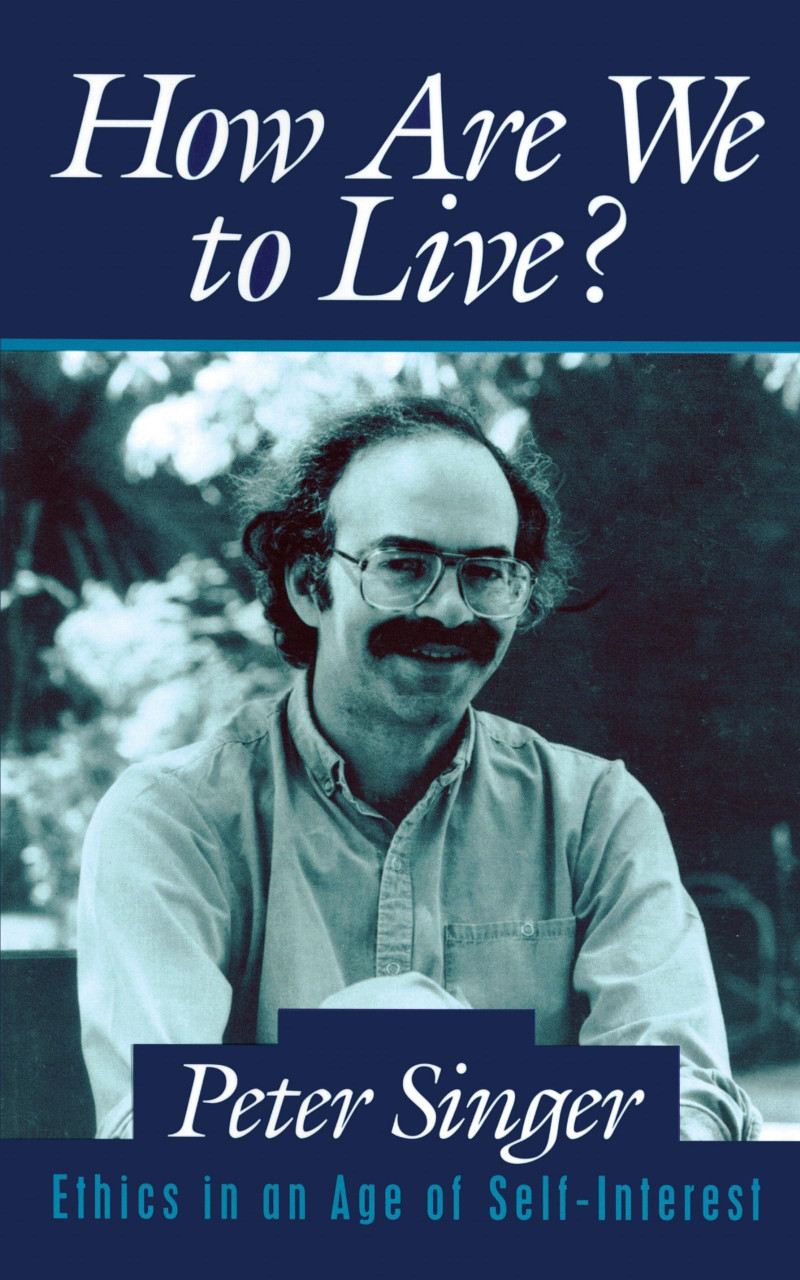
How Are We to Live?: Ethics in an Age of Self-Interest
Discusses contemporary ethical challenges and the tension between self-interest and moral obligation, accessible survey of ethical theory applied to everyday moral choices and public policy questions.
- Published1995
- TypeBook
- GenrePhilosophy, Ethics, Non-Fiction
- Languageen
About the Author
Peter Singer
Peter Singer highlighting his life, major works, animal ethics, bioethics, effective altruism, and notable quotes.
View Profile- OccupationPhilosopher
- FromAustralia
-
Other Works
- Famine, Affluence, and Morality (1972)
- Animal Liberation (1975)
- Practical Ethics (1979)
- The Expanding Circle: Ethics and Sociobiology (1981)
- Rethinking Life and Death: The Collapse of Our Traditional Ethics (1994)
- The Singer Solution to World Poverty (1999)
- One World: The Ethics of Globalisation (2002)
- The Ethics of What We Eat: Why Our Food Choices Matter (2006)
- The Life You Can Save: Acting Now to End World Poverty (2009)
- The Most Good You Can Do: How Effective Altruism Is Changing Ideas About Living Ethically (2015)
- Ethics in the Real World: 82 Brief Essays on Things That Matter (2016)
- Animal Liberation Now (2023)