
Book: How to Be Rich
Overview
J. Paul Getty’s 1965 book frames wealth as a discipline rather than a windfall. The title is deliberate: “How to Be Rich, ” not “How to Get Rich.” He contends that riches endure only when supported by habits, principles, and responsibilities that govern how wealth is earned, managed, and used. Drawing on oil deals from Oklahoma to the Middle East, boardroom battles, and austere personal choices, he presents a philosophy that blends hard work, thrift, calculated risk, and unglamorous vigilance.
Mindset and Work
Getty insists that riches grow from mastery of a craft, relentless effort, and the habit of seeing for oneself. He champions direct observation over secondhand reports and urges constant study of costs, markets, and technical details. Luck is welcomed but never trusted; preparation is the only reliable ally. He prefers ownership to salary, arguing that real wealth rarely comes to those trading time for wages, but he accepts that exceptional performance and profit sharing can enrich capable employees.
Thrift, Reinvestment, and Compounding
Frugality is not stinginess but a system for allocating capital to productive uses. Getty’s anecdotes, about scrutinizing small expenses as intently as large ones, illustrate a belief that every saved dollar is new working capital. Profits should be plowed back into the enterprise, where compounding and scale can operate. Display is a liability; quiet balance sheets beat noisy status symbols. He cautions against lifestyle inflation that fixes high costs onto a business or a household.
Risk and Decision Making
Risk is a tool to be measured, not a thrill to be chased. Getty favors calculated ventures backed by facts, safety margins, and patience. He diversifies within competence, shunning sprawling bets he cannot understand or control. Liquidity and flexibility matter more than bravado; the best opportunities often appear to the prepared during downturns, when others are forced sellers. He accepts temporary unpopularity in order to preserve long-term advantage.
People and Management
Wealth scales through people. Getty looks for character before brilliance, then grants autonomy with accountability. He encourages tying rewards to measurable performance and sharing gains with effective managers. Morale is treated as a financial variable: clarity of purpose, open communication, and visible fairness compound results. Delegation is essential, but supervision is nonnegotiable; trust is earned and verified on site, in the field, and in the numbers.
Negotiation and Deals
Every deal begins with information. Getty prepares exhaustively, knows his walk-away point, and lets time work for him. The first offer is rarely the best. He avoids bidding wars, keeps emotion out of pricing, and resists the sunk-cost fallacy. Handshakes affirm intent; written contracts protect performance. He values reputation as a commercial asset, delivering what is promised makes later negotiations cheaper.
Taxes, Government, and Public Image
Getty pays what the law requires and minimizes legally what it permits, arguing that confiscatory rates dull initiative and waste capital. He warns that public misunderstanding of wealth can sour relations with employees, communities, and the press. Goodwill is productive: answer inquiries, be candid about mistakes, and support institutions that enrich civic life. His art collecting and philanthropy are presented as stewardship, not spectacle.
Global Perspective and Legacy
Operating across borders taught him to respect local customs, politics, and law while maintaining commercial discipline. He views wealth as the byproduct of creating value for customers, employees, and partners over time. The book’s voice is aphoristic and anecdotal, but its through line is sober: get the facts, work harder and smarter than rivals, spend less than you earn, reinvest the surplus, and never stop looking with your own eyes.
Citation Formats
APA Style (7th ed.)
How to be rich. (2026, February 4). FixQuotes. https://fixquotes.com/works/how-to-be-rich/
Chicago Style
"How to Be Rich." FixQuotes. February 4, 2026. https://fixquotes.com/works/how-to-be-rich/.
MLA Style (9th ed.)
"How to Be Rich." FixQuotes, 4 Feb. 2026, https://fixquotes.com/works/how-to-be-rich/. Accessed 5 Mar. 2026.
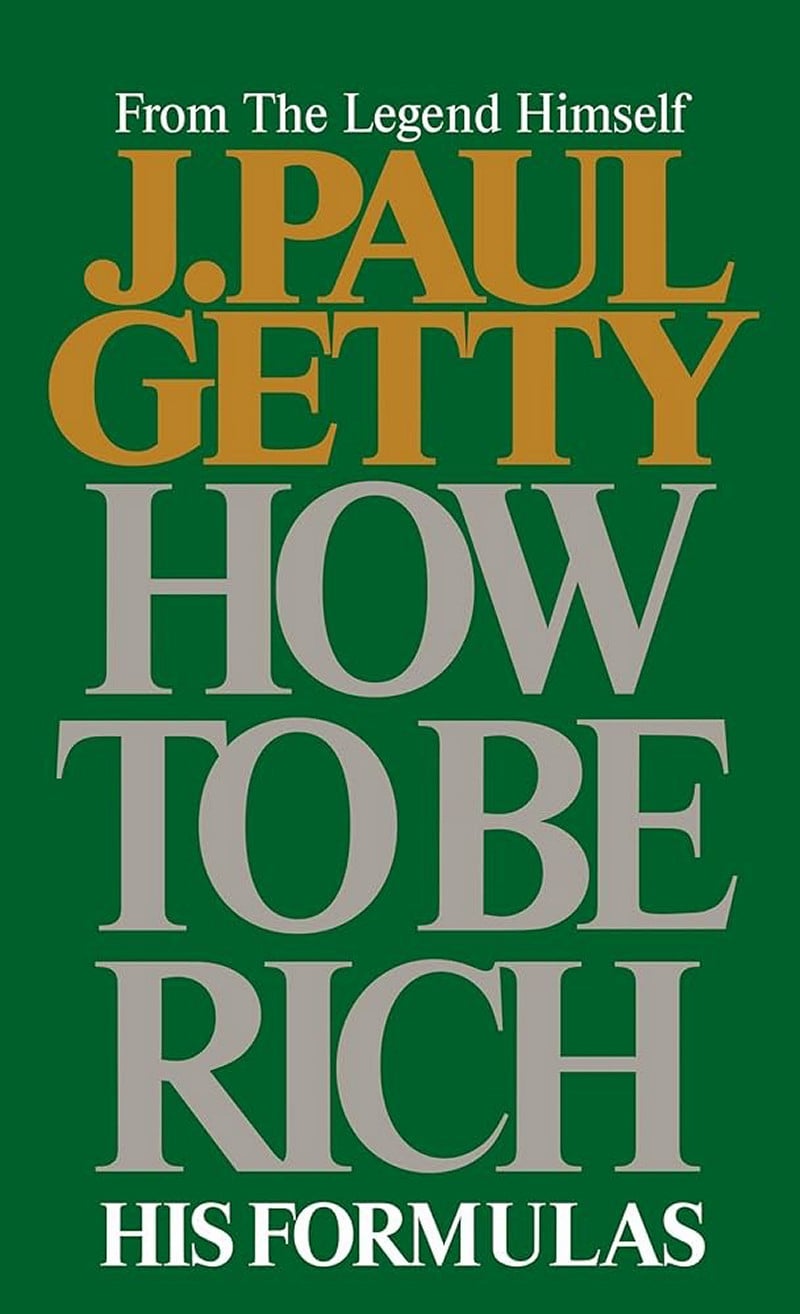
How to Be Rich
This book offers advice on how to achieve success and financial stability. Getty shares his own experiences and insights on wealth accumulation, business strategy, and the mindset required for becoming rich.
About the Author

J. Paul Getty
J. Paul Getty, a wealthy oil magnate and art collector, from his early ventures to his legacy at the Getty Museum.
View Profile- OccupationBusinessman
- FromUSA
-
Other Works
- The History of the Oil Industry (1959)
- My Life and Fortunes (1963)
- The Joys of Collecting (1965)
- How to Be a Successful Executive (1969)