
Book: I Can
Overview
Ben Sweetland’s 1952 book I Can is a concise manual for cultivating a success-oriented state of mind. Written in the optimistic postwar tradition of practical psychology, it argues that achievement is largely a function of mental habit, expectation, and disciplined action. The phrase “I can” is presented not as a slogan but as a mechanism for directing thought, mobilizing feeling, and organizing behavior toward definite aims. Sweetland blends common-sense counsel with ideas about the subconscious, insisting that results follow the images and convictions a person holds most intensely.
The I Can Principle
At the center is a simple polarity: “I can” versus “I can’t.” Sweetland contends that most people are trained into limitation by repeated exposure to doubt, criticism, and their own memories of failure. Reversing that conditioning requires deliberately installing a new identity built on capability and expectancy. The subconscious mind, he says, takes orders from dominant thoughts, especially those charged with emotion. By feeding it images of successful outcomes and coupling them with confident self-talk, the individual redirects inner resources toward solutions rather than obstacles.
Mindset, Imagery, and Suggestion
Sweetland emphasizes clarity of aim, mental pictures, and autosuggestion. Goals should be specific and vividly imagined, with daily rehearsal until they feel familiar. Visualization is not daydreaming; it is rehearsal that primes perception and behavior. He recommends practicing at regular times, especially before sleep, when the mind is more receptive. Short, affirmative statements reinforce the pictures and counter the reflex to hesitate. Faith, in his usage, is not passive belief but a practiced expectancy built through repetition and small wins that prove the method to oneself.
Action and Habit
Thought alone is insufficient. The “I can” attitude expresses itself in swift, organized action and in habits that carry a person across periods of low motivation. Sweetland urges readers to break aims into immediate steps, to start before they feel ready, and to convert setbacks into feedback. Persistence is reframed as emotional steadiness under pressure, sustained by the mental picture of the end result. Time use, environment, and the people one spends time with either support or erode the attitude, so he advises pruning distractions and seeking constructive influence.
Fear, Worry, and Resistance
Common enemies, fear of criticism, worry over money, indecision, are treated as learned responses that dissolve under examination and purposeful movement. Sweetland suggests displacing worry with work on the next controllable step, and replacing vague fears with concrete plans. He links many failures to hesitation at the point of decision, arguing that decisiveness, even with imperfect information, builds momentum and self-trust.
Work, Service, and Prosperity
The book ties prosperity to usefulness. Income follows the value one renders, so the “I can” attitude must be paired with service, competence, and ethical dealing. Sweetland’s background in business is evident in his practical advice about salesmanship, communication, and follow-through. Money is treated as an effect, not a cause: think and act like a valuable person and compensation tends to align.
Style and Legacy
I Can reads like a friendly coach’s handbook: brief chapters, anecdotes, and exercises meant to be tried immediately. Its psychology predates later terminology but anticipates modern concepts of self-efficacy, cognitive reframing, and implementation intentions. The promise is modest and pragmatic: train the mind to expect capability, give it clear targets, take steady action, and the pattern of results shifts. As an early articulation of prosperity-through-mindset literature, it helped shape a genre that continues to echo its central assertion: capability grows wherever attention, belief, and action converge.
Citation Formats
APA Style (7th ed.)
I can. (2025, August 21). FixQuotes. https://fixquotes.com/works/i-can/
Chicago Style
"I Can." FixQuotes. August 21, 2025. https://fixquotes.com/works/i-can/.
MLA Style (9th ed.)
"I Can." FixQuotes, 21 Aug. 2025, https://fixquotes.com/works/i-can/. Accessed 13 Feb. 2026.
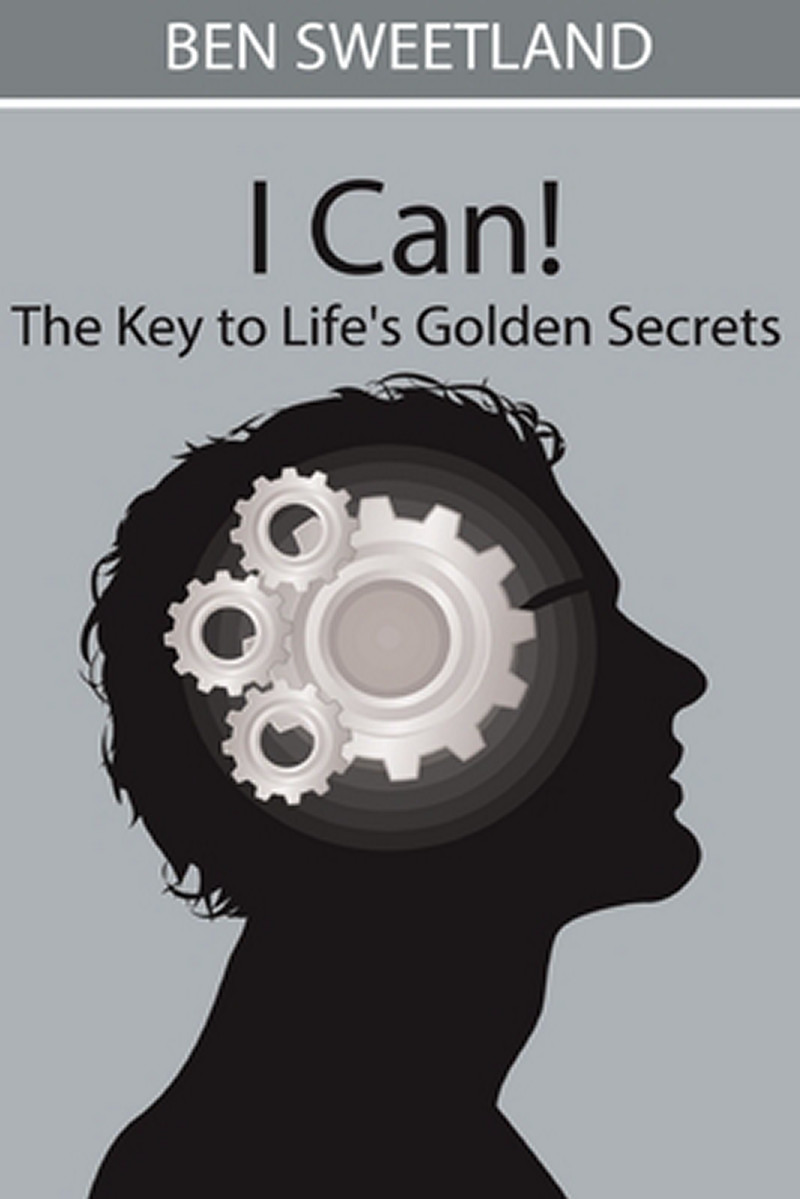
I Can
I Can is a book that teaches the reader about growing success using the power of positive thinking.
- Published1952
- TypeBook
- GenreSelf-help
- LanguageEnglish
- Links
About the Author

Ben Sweetland
Ben Sweetland, a renowned self-help author and motivational speaker known for his impactful work on positive thinking.
View Profile- OccupationAuthor
- FromUSA
-
Other Works
- Grow Rich While You Sleep (1962)
- The Effective Speaker (1966)
- I Will (1971)