
Novel: Indiana
Overview
George Sand's Indiana, published in 1832, follows the tragic and awakening life of Indiana Delmare, a Creole woman displaced from her native island of Bourbon to mainland France. The narrative chronicles her suffocating marriage to the brutal Colonel Delmare and her desperate search for love, freedom, and dignity within the rigid social structures of early 19th-century French society. Romantic passion, social critique, and political undercurrents intertwine as Indiana confronts personal oppression and the limits placed on women.
Plot Summary
Indiana arrives in France married to Colonel Delmare, a commanding and unfeeling man whose jealousy and harshness crush her spirit. Isolated and subjected to emotional and physical abuse, she clings to memories of her homeland and the ideal of passionate love. Her life shifts with the arrival of Raymon de Ramière, her gentle and cultured cousin, who offers kindness, admiration, and the possibility of mutual affection. Though Raymon loves Indiana, his indecision and social timidity prevent him from fully committing to rescue her from her marriage.
A second suitor, the charismatic and libertine Sir Ralph, complicates matters. He represents a dangerous intensity that both attracts and threatens Indiana, exposing the conflict between romantic yearning and personal safety. As Indiana vacillates between hope and despair, the story moves through episodes of clandestine longing, failed plans for escape, and the crushing reality of legal and moral constraints that keep her bound to Delmare. Tragedy and disillusionment accumulate as characters reveal their limitations; Raymon's hesitancy, Ralph's instability, and Indiana's increasing despair lead to irreversible consequences.
Characters
Indiana Delmare embodies vulnerability, resilience, and the longings of an oppressed woman forced into an unhappy marriage. Her instincts toward love and independence clash with social expectations and male authority. Raymon de Ramière is portrayed as sincere, reflective, and morally conscientious, yet paralyzed by fear of scandal and social consequence. Colonel Delmare is a figure of patriarchal cruelty whose possession of Indiana is both legal and symbolic of wider societal control. Sir Ralph provides a foil: passionate and reckless, he heightens the stakes of desire while lacking the steadiness Indiana needs.
Secondary figures, including friends and acquaintances from different social circles, reflect the varied responses of society to Indiana's plight. Their judgments, sympathies, and betrayals map a social environment that is at once indifferent and instrumental in maintaining the status quo.
Themes
Love, autonomy, and social constraint dominate the narrative. Indiana examines the legal and moral structures that trap women in loveless unions and deny them agency over their bodies and destinies. Romantic idealism collides with social realism as Sand interrogates the myth of love as liberation when institutional barriers remain intact. Questions of class, colonial displacement, and cultural identity surface through Indiana's Creole origins and the contrast between the warmth of her memories and the coldness of metropolitan society.
The novel also probes masculine responsibility and cowardice: the men who love Indiana are tested by the cost of rescuing her, and their failures reveal broader moral weaknesses. Political undertones question the legacy of revolution and reform, asking whether social change has genuinely altered the private injustices suffered by women.
Style and Reception
Sand's prose mixes Romantic intensity with sharp social observation, alternating lyrical passages about memory and passion with direct critique of institutions. Psychological nuance and moral inquiry drive the narrative, creating sympathetic but complex characters whose choices carry weight. At its publication, Indiana provoked debate for its frank treatment of female desire and its critique of marriage. Over time, it has been recognized as an important early feminist text and a key example of Sand's blend of sentimental romance and social reformist thought, continuing to resonate for its candid exploration of personal freedom and injustice.
Citation Formats
APA Style (7th ed.)
Indiana. (2026, February 5). FixQuotes. https://fixquotes.com/works/indiana/
Chicago Style
"Indiana." FixQuotes. February 5, 2026. https://fixquotes.com/works/indiana/.
MLA Style (9th ed.)
"Indiana." FixQuotes, 5 Feb. 2026, https://fixquotes.com/works/indiana/. Accessed 26 Mar. 2026.
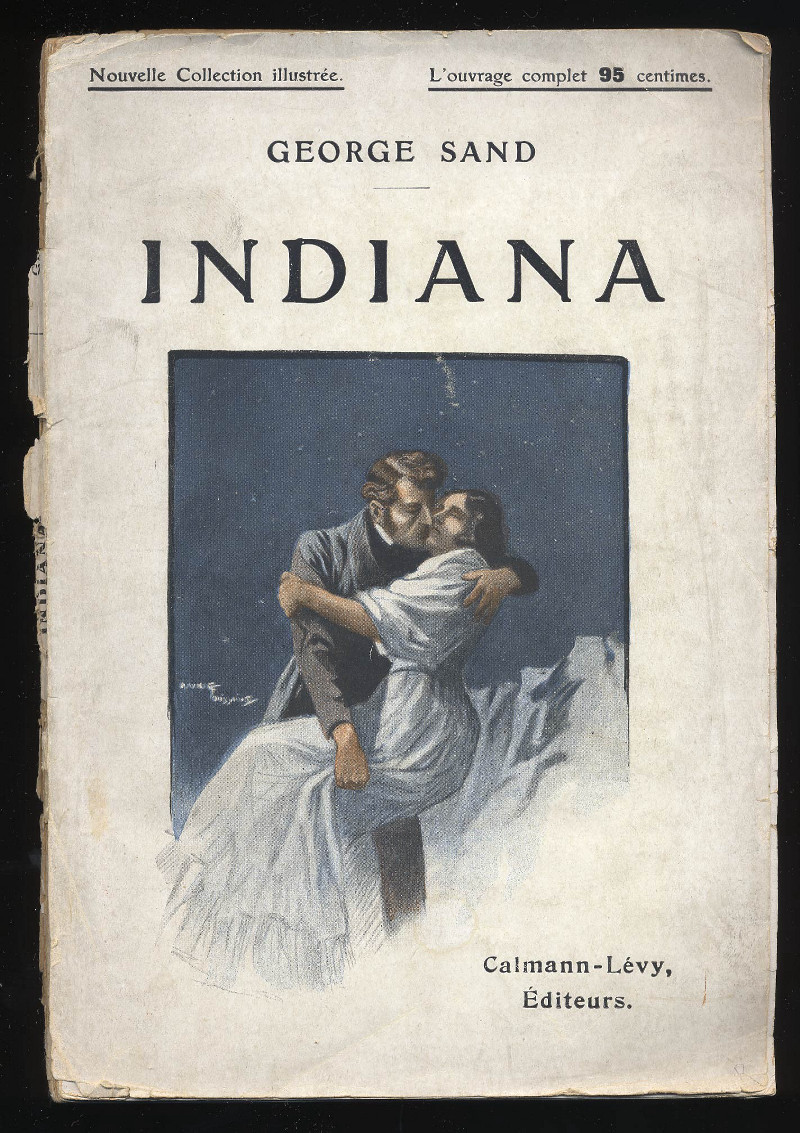
Indiana
Indiana is a romantic, social, and political story that follows the life of Indiana Delmare, a young Creole woman from the island of Bourbon, who endures her abusive husband and eventually falls in love with her cousin, Raymon de Ramière.
- Published1832
- TypeNovel
- GenreRomance, Social commentary
- LanguageFrench
- CharactersIndiana Delmare, Raymon de Ramière, Sir Ralph Brown, Colonel Delmare
About the Author

George Sand
George Sand, renowned French writer and feminist, known for her novels on social justice and equality, and her influential literary legacy.
View Profile- OccupationNovelist
- FromFrance
-
Other Works
- Lélia (1833)
- Consuelo (1842)
- La Mare au Diable (1846)
- François le Champi (1847)
- La Petite Fadette (1848)