
Judo: History, Theory, Practice
Overview
"Judo: History, Theory, Practice" presents a comprehensive portrait of judo as a martial art, sport, and moral discipline. The narrative blends historical overview, theoretical exposition, and practical guidance, reflecting the author's long-standing personal engagement with judo. The tone alternates between descriptive scholarship and enthusiastic advocacy for the values embedded in the art.
Historical Roots and Development
The text traces judo's origins from its founder, Jigoro Kano, through the art's codification and global spread. It situates judo within the broader trajectory of Japanese martial traditions and modern physical culture, showing how philosophical and pedagogical aims shaped technique and organization. Attention is given to judo's adoption beyond Japan, including its institutionalization in Russia and Europe, and the evolution of competitive rules that transformed practice and training.
Theory and Philosophy
Central theoretical concepts such as kuzushi (balance breaking), kime (decision), and the efficient use of energy receive sustained treatment, linked to broader moral and educational aims. Judo is presented as more than self-defense or sport: it is framed as a system for character formation, discipline, and social harmony. Ethical precepts, respect for opponents, and the pedagogical methods used to cultivate physical and mental resilience are emphasized as core elements of the art.
Techniques and Training
Technical sections provide systematic discussions of throwing and grappling fundamentals, the logic behind technique selection, and progressive training methods for different skill levels. Practical advice spans basic drills, randori (free practice), and conditioning approaches that prioritize safe development and longevity in training. Coaching perspectives address how to structure lessons, monitor student progress, and adapt practice to age, physique, and competitive orientation.
Personal Reflections and Anecdotes
Interwoven with technical and historical exposition are personal recollections that illustrate the author's lifelong relationship with judo. Anecdotes about training partners, formative experiences, and the emotional resonance of the art give the narrative an intimate quality. These reflections underscore the ways judo has shaped character and provided a framework for leadership and decision-making.
Practical Impact and Reception
The book aims to speak to practitioners, coaches, and readers interested in martial arts culture, offering material useful for both club-level instruction and individual study. Its combined focus on history, theory, and practice makes it a reference for those seeking a rounded understanding of judo's techniques and values. Reception among martial arts communities highlights appreciation for the text's earnest advocacy of judo's educational potential and its accessible synthesis of technical and philosophical aspects.
Conclusion
The work presents judo as a living discipline that integrates physical skill, ethical commitment, and educational purpose. By balancing historical narrative, theoretical clarity, and pragmatic training guidance, it invites readers to see judo not only as a competitive sport but as a lifelong practice for personal development. The emphasis on continuity, between tradition and modern competition, between technique and spirit, frames judo as a vehicle for both individual growth and communal engagement.
Citation Formats
APA Style (7th ed.)
Judo: History, theory, practice. (2026, February 5). FixQuotes. https://fixquotes.com/works/judo-history-theory-practice/
Chicago Style
"Judo: History, Theory, Practice." FixQuotes. February 5, 2026. https://fixquotes.com/works/judo-history-theory-practice/.
MLA Style (9th ed.)
"Judo: History, Theory, Practice." FixQuotes, 5 Feb. 2026, https://fixquotes.com/works/judo-history-theory-practice/. Accessed 6 Mar. 2026.
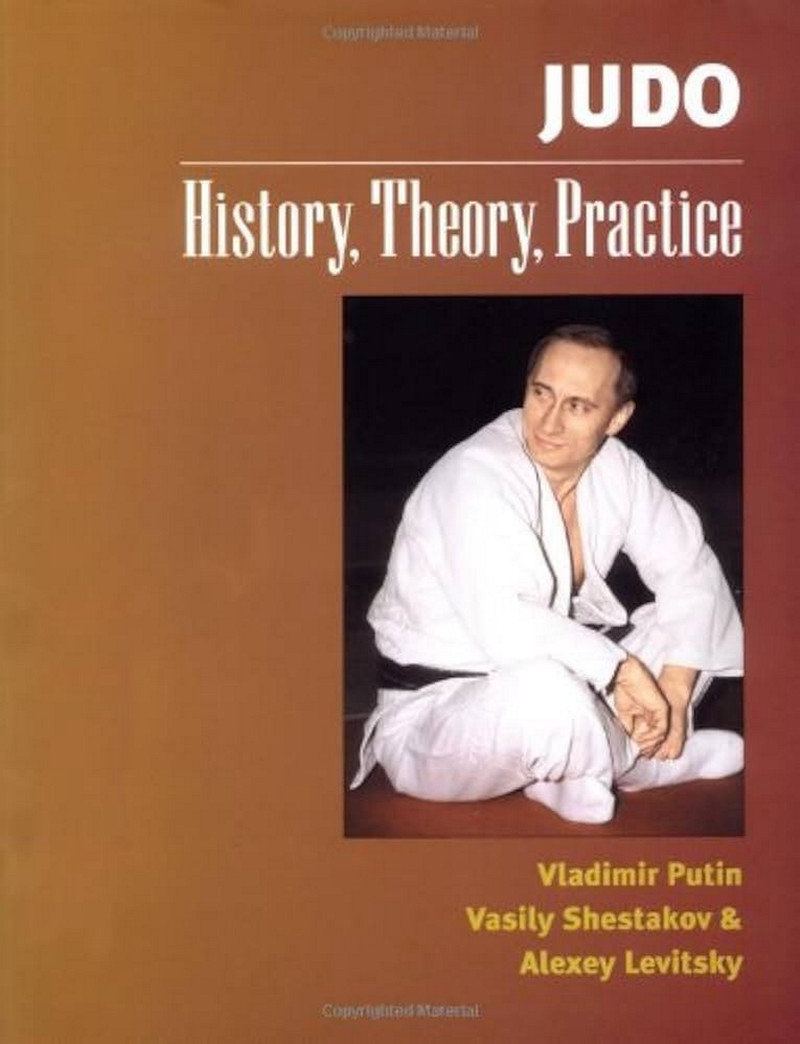
Judo: History, Theory, Practice
Original: Дзюдо: История, теория, практика
A comprehensive guide to the martial art of Judo, covering its history, philosophy, techniques, and training methods. The book reflects Putin's deep passion for and knowledge of this Japanese martial art, which he has practiced since childhood.
- Published2004
- TypeBook
- GenreSports, Martial Arts
- LanguageRussian and English
About the Author

Vladimir Putin
Vladimir Putin, Russia's President, focusing on his political journey, impact, and influence on the global stage.
View Profile