
Poetry Collection: Love Poems
Overview
Anne Sexton's Love Poems, published in 1969, gathers poems that examine the many faces of love with unflinching candor. The collection moves between erotic intensity and bleak loneliness, mapping the speaker's shifting needs, losses, and desires. Rather than offering tidy consolations, the poems press into the contradictions of attachment: longing that exhilarates and wounds, intimacy that reveals and erases selfhood.
Sexton treats love as a human condition tangled with memory, illness, and the roles women inhabit. The language alternates between conversational frankness and lyrical surges, making the experience immediate and sometimes startling. The reader encounters both tender confession and ironic distance, as the speaker negotiates longing, betrayal, and the drive for belonging.
Themes
A dominant theme is the paradoxical nature of desire: love as both healing balm and site of injury. Poems often depict romantic love as an arena where identity is performed and fragmented, where the self collides with expectations and fantasies. Domestic realities, marriage, motherhood, aging, appear alongside erotic longing, suggesting that erotic and familial attachments are inseparable parts of a life lived in close quarters.
Death and grief thread the collection, giving many of the love poems an urgent, sometimes fatalistic tenor. Loss amplifies desire; mourning sharpens memories into images that hover between the sacred and the profane. Religious and mythic resonances surface intermittently, not as consolations but as frames through which the speaker tries to name what love demands and destroys.
Voice and Style
Sexton's voice is unmistakably confessional: direct, raw, and often autobiographical in tone. The intimacy of address makes readers feel complicit in the speaker's revelations, as though eavesdropping on a private reckoning. The poems trade in immediate, accessible diction, yet they also deploy startling metaphors and associative leaps that disrupt easy sentiment.
Irony and wit puncture moments of vulnerability, creating a complex speaker who can be self-deprecating and brutally honest in the same breath. The work defies the genteel expectations of midcentury love poetry by insisting on messy specificity, bodily desires, mental collapse, and the mundane humiliations of everyday attachment.
Imagery and Form
Imagery in the collection is visceral and often domestic: rooms, beds, kitchen objects, and bodily details recur as anchors for emotional states. Sexton frequently transforms private scenes into larger symbolic tableaux, where a burnt toast, a scar, or a quiet kitchen can stand in for existential truths. Sensory detail, the warmth of skin, the smell of smoke, the ache in a throat, grounds the poems in lived, tactile reality.
Formally, poems range from tight, spare lyrics to longer, conversational narratives. Sexton's revisions of traditional forms are more interested in voice than in strict meter; she manipulates line breaks and enjambment to mirror thought patterns and emotional ruptures. The result is a rhythm that moves with the speaker's breath, sometimes staccato, sometimes flowing into long soliloquies.
Reception and Legacy
At the time of publication, the bluntness of Sexton's love poetry was both admired and controversial. Critics praised the courage and technical control of her work while some readers were unsettled by the raw domestic and sexual content. Over time, the collection has been read as a crucial document of confessional poetry, notable for foregrounding female subjectivity and for refusing to sanitize the complexities of intimate life.
Love Poems continues to influence poets who seek a candid, psychologically aware approach to love and loss. Its persistent power lies in the way Sexton transforms private pain into language that shocks, consoles, and finally invites recognition of the messy truths at the heart of human attachment.
Citation Formats
APA Style (7th ed.)
Love poems. (2026, February 4). FixQuotes. https://fixquotes.com/works/love-poems/
Chicago Style
"Love Poems." FixQuotes. February 4, 2026. https://fixquotes.com/works/love-poems/.
MLA Style (9th ed.)
"Love Poems." FixQuotes, 4 Feb. 2026, https://fixquotes.com/works/love-poems/. Accessed 5 Mar. 2026.
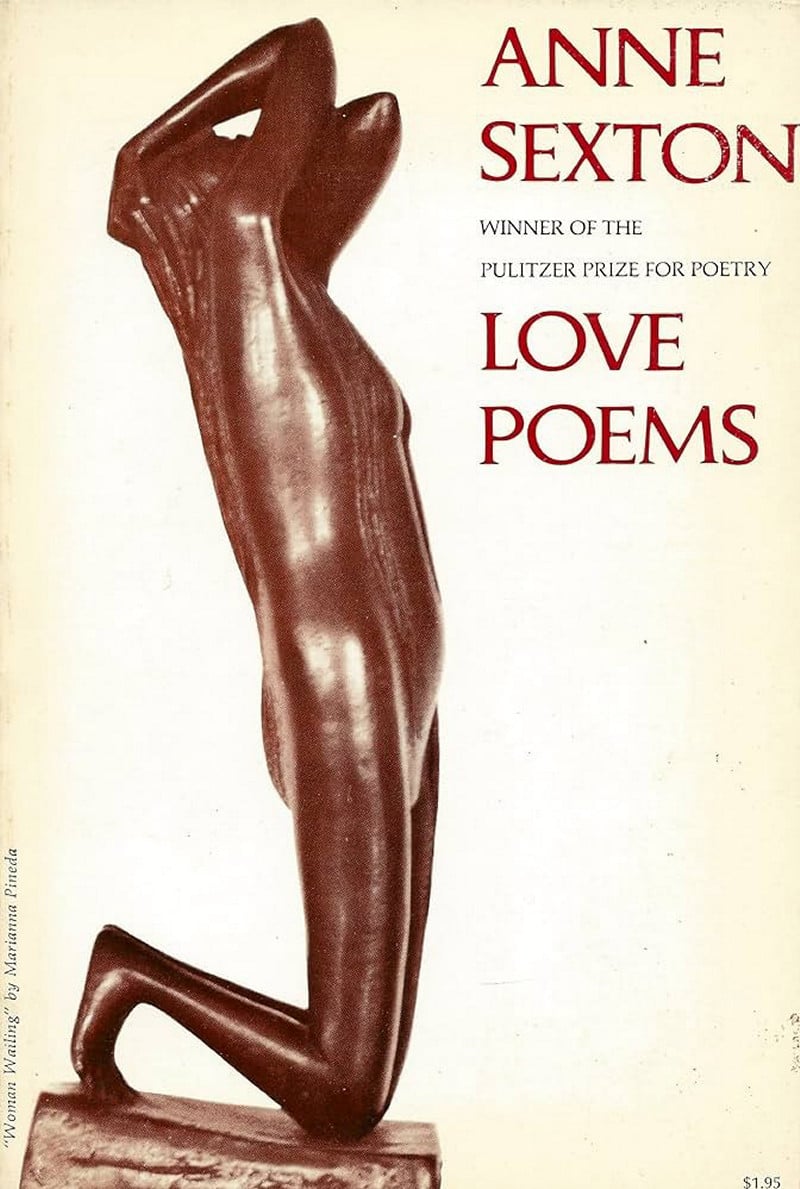
Love Poems
Anne Sexton’s Love Poems explore various aspects of love and relationships, capturing the intense emotions and experiences commonly found throughout the human experience.
- Published1969
- TypePoetry Collection
- GenrePoetry
- LanguageEnglish
About the Author

Anne Sexton
Anne Sexton, a celebrated poet known for her confessional style, addressing themes of mental illness and women's experiences.
View Profile- OccupationPoet
- FromUSA
-
Other Works
- To Bedlam and Part Way Back (1960)
- All My Pretty Ones (1962)
- Live or Die (1966)
- Transformations (1971)
- The Book of Folly (1972)
- The Death Notebooks (1974)
- The Awful Rowing Toward God (1975)