
Novel: Martin Eden
Overview
Jack London's Martin Eden follows a self-taught sailor in Oakland who resolves to rise from poverty into the world of letters. Fueled by an intense love for a bourgeois young woman and a ferocious belief in individual effort, Martin educates himself, writes obsessively, and battles the brutal economics of publishing. His eventual fame arrives too late to save his ideals. The novel tracks his ascent and spiritual collapse, blending a love story with a critique of class, culture, and the American creed of self-making.
Plot
Martin Eden, an uneducated seaman, meets the refined Morse family after rescuing their son, Arthur, from a street fight. In their parlor he encounters books, art, and Arthur’s sister, Ruth, whose cultivated manners and gentleness overwhelm him. Determined to become her equal, he quits the sea and undertakes a grueling self-education, devouring grammar, philosophy, and literature, especially Herbert Spencer, and teaching himself to write. Ruth encourages his study but worries over his roughness and uncompromising ideas.
Manuscripts pour from Martin’s typewriter and boomerang back with rejection slips. Money evaporates; he starves, pawns his clothes, and works menial jobs, all while clinging to his vocation. His family and their pinched respectability, embodied in his brother-in-law, the grocer Higginbotham, press him to abandon writing for steady work. Only a working-class girl, Lizzie Connolly, offers unjudging care. Martin’s mind hardens into an individualist creed, sharpened by debate with socialists he meets through the consumptive poet Brissenden, a brilliant cynic and the truest friend he finds in the city’s literary and political underworld.
As months become years of privation, Ruth’s admiration sours into alarm. She urges him to secure a job and accede to her family’s standards. Their engagement collapses under class pressure and his refusal to compromise. Brissenden, disgusted by bourgeois hypocrisy and sickened by illness, kills himself, leaving Martin lonelier but creatively relentless.
Suddenly, the market turns. Editors who had ignored him discover the very stories they had rejected. A magazine prints his work; then another; then all of them. Money floods in, and with it the social invitations, flattering reviews, and proposals once withheld. Ruth, repentant, seeks reconciliation, but Martin now sees her love as conditional, tied to status rather than understanding. He refuses her and finds little pleasure in the houses that open to him. Fame exposes the crowd’s herd instinct: the same piece unread in poverty is praised when backed by reputation.
Sated financially and emptied spiritually, Martin flees to the South Seas, chasing the vitality he once knew at sea. The beauty he sought offers no remedy for a nihilism born of success without meaning. Alone on a steamer at night, he slips overboard into the Pacific, choosing the quiet of the depths over the clamor of a world he can no longer believe in.
Themes
The novel interrogates the myth of self-made success. Martin’s rise proves that talent and will can bend circumstance, yet his victory destroys the illusion that social approval measures worth. Class is a set of tastes and gatekeeping rituals as much as money, and love itself is shown as vulnerable to those pressures. London fuses naturalism with a critique of the literary marketplace: editors follow fashion, fame magnetizes fame, and art risks becoming a commodity rather than a calling. The book’s intellectual spine, Spencerian individualism and a flirtation with Nietzsche, collides with human need for connection, leaving Martin triumphant on paper and desolate in life.
Setting and Style
Set in turn-of-the-century Oakland and San Francisco, the story moves from boardinghouses and back-room groceries to parlors and magazine offices, mapping an American city’s class geography. London’s style is direct, physical, and psychologically acute, rendering hunger, pride, and mental discipline with the same hard light he gives to a boxing match or a storm at sea. The result is a tragic Künstlerroman and a bitter parable of success.
Citation Formats
APA Style (7th ed.)
Martin eden. (2026, February 18). FixQuotes. https://fixquotes.com/works/martin-eden/
Chicago Style
"Martin Eden." FixQuotes. February 18, 2026. https://fixquotes.com/works/martin-eden/.
MLA Style (9th ed.)
"Martin Eden." FixQuotes, 18 Feb. 2026, https://fixquotes.com/works/martin-eden/. Accessed 25 Mar. 2026.
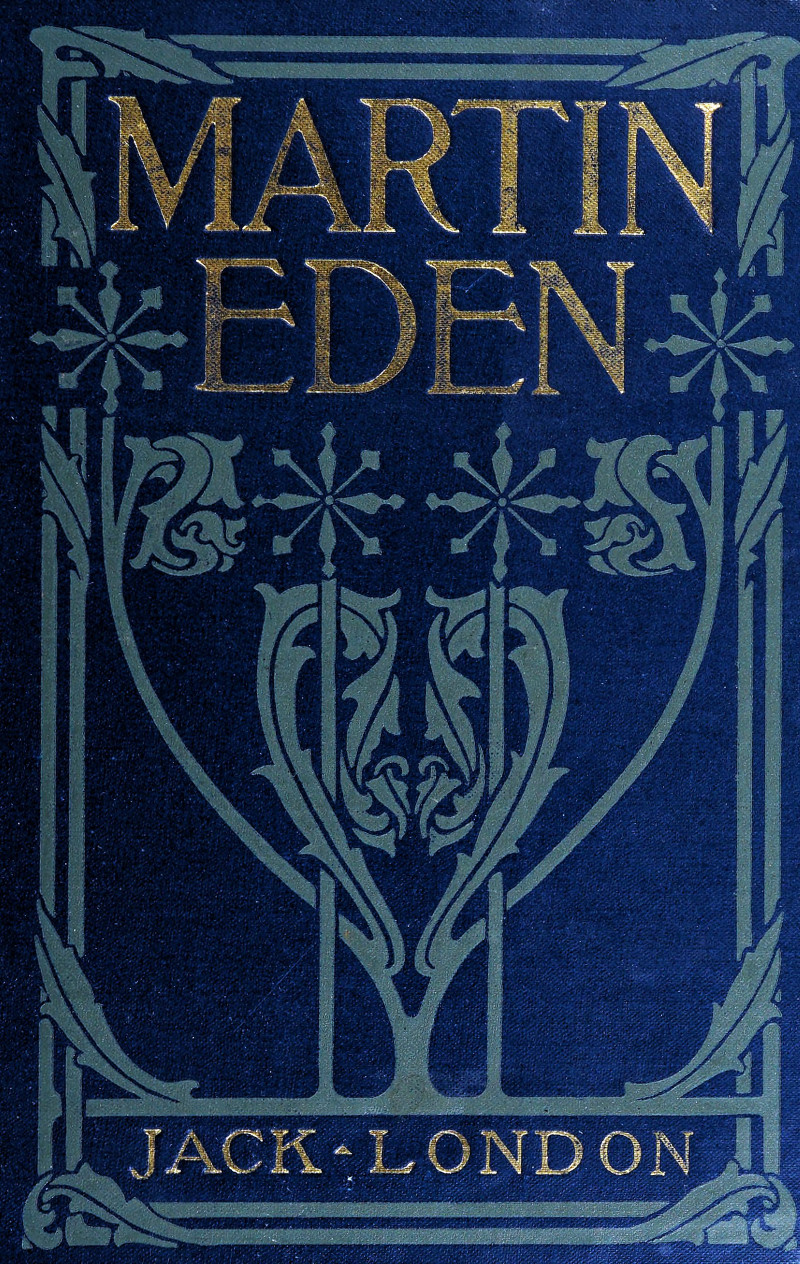
Martin Eden
A semi-autobiographical tale of a working-class sailor, Martin Eden, who struggles to educate himself and rise into the literary world to win the love of Ruth Morse, exposing class tensions and the costs of artistic ambition.
- Published1909
- TypeNovel
- GenreAutobiographical fiction, Social novel
- Languageen
- CharactersMartin Eden, Ruth Morse
- Links
About the Author

Jack London
Jack London biography covering Klondike years, major works like The Call of the Wild and White Fang, socialism, Beauty Ranch, travels and legacy.
View Profile- OccupationNovelist
- FromUSA
-
Other Works
- A Son of the Wolf (1900)
- The Law of Life (1901)
- The People of the Abyss (1903)
- The Call of the Wild (1903)
- The Sea-Wolf (1904)
- White Fang (1906)
- Before Adam (1907)
- The Road (1907)
- To Build a Fire (1908)
- The Iron Heel (1908)
- Burning Daylight (1910)
- South Sea Tales (1911)
- John Barleycorn (1913)
- The Star Rover (1915)
- The Little Lady of the Big House (1916)
- Michael, Brother of Jerry (1917)