
Novel: Maru
Overview
Maru tells the story of Margaret Cadmore, an orphaned Masarwa girl who grows up in a society that defines her by her ethnicity and confines her to the lowest social roles. Sent to a mission school and later to teach in a small village, she is repeatedly humiliated and forced into servitude because of long-standing prejudice against the Masarwa people. The novel follows her struggle to claim an identity and a place where she can belong, while exposing the cruelty and blind assumptions of the community around her.
The plot pivots when two very different men enter Margaret's orbit. Their reactions to her illuminate rival visions of power, compassion, and social change. As Margaret navigates insults, secrecy, and unexpected affection, the novel examines how personal loyalty and courage can confront entrenched discrimination.
Main characters and conflict
Margaret is quiet, dignified, and inwardly strong, shaped by loss and by the persistent gaze of a society that refuses to see her as fully human. Her status as Masarwa marks her for exclusion: she is relegated to caregiving and household labor and is treated as a perennial outsider even in settings where she works. The novel makes clear how social structures and everyday cruelty can stamp a person into invisibility.
Maru, the title character, is a commanding and enigmatic figure whose power and compassion unsettle local hierarchies. Moleka represents another response to the village's racial politics; together, these men embody possibilities for Margaret's future and force the community to confront its own conscience. The resulting tensions, between desire and honor, between pity and respect, between public reputation and private feeling, drive the narrative toward a confrontation with the village's racist assumptions.
Themes and ideas
Maru centers on racial prejudice, but it is equally concerned with questions of identity, dignity, and belonging. Margaret's story shows how marginalization hollows people out while also revealing the reserves of resilience that survive in quiet acts of self-respect. Bessie Head probes the moral responsibility of bystanders, the corrosive effects of gossip and shame, and the possibility that individual moral courage can unmask broader injustice.
Love in Maru is not a mere private emotion but a social act that has the power to unsettle entrenched hierarchies. Choices made by Maru and others force the village to reconsider codes of honor and purity that had been treated as natural law. The novel also reflects on the psychological costs of colonial and ethnic stratification, suggesting that social healing requires more than charity; it demands recognition and equality.
Style and significance
Bessie Head writes with directness and moral clarity, blending realist detail with moments of evocative, almost parable-like insight. The prose foregrounds interior lives without losing sight of social context, offering characters who are psychologically complex rather than symbolic caricatures. The result is a novel that reads as both intimate human drama and trenchant social critique.
Maru has been widely read as a compact, powerful exploration of how love and courage can challenge prejudice. Its portrayal of an individual's pursuit of dignity against communal cruelty gives it a continued resonance in discussions of race, gender, and social exclusion. The novel stands as a testament to the ways personal commitments can become catalysts for moral transformation.
Citation Formats
APA Style (7th ed.)
Maru. (2026, February 4). FixQuotes. https://fixquotes.com/works/maru/
Chicago Style
"Maru." FixQuotes. February 4, 2026. https://fixquotes.com/works/maru/.
MLA Style (9th ed.)
"Maru." FixQuotes, 4 Feb. 2026, https://fixquotes.com/works/maru/. Accessed 12 Feb. 2026.
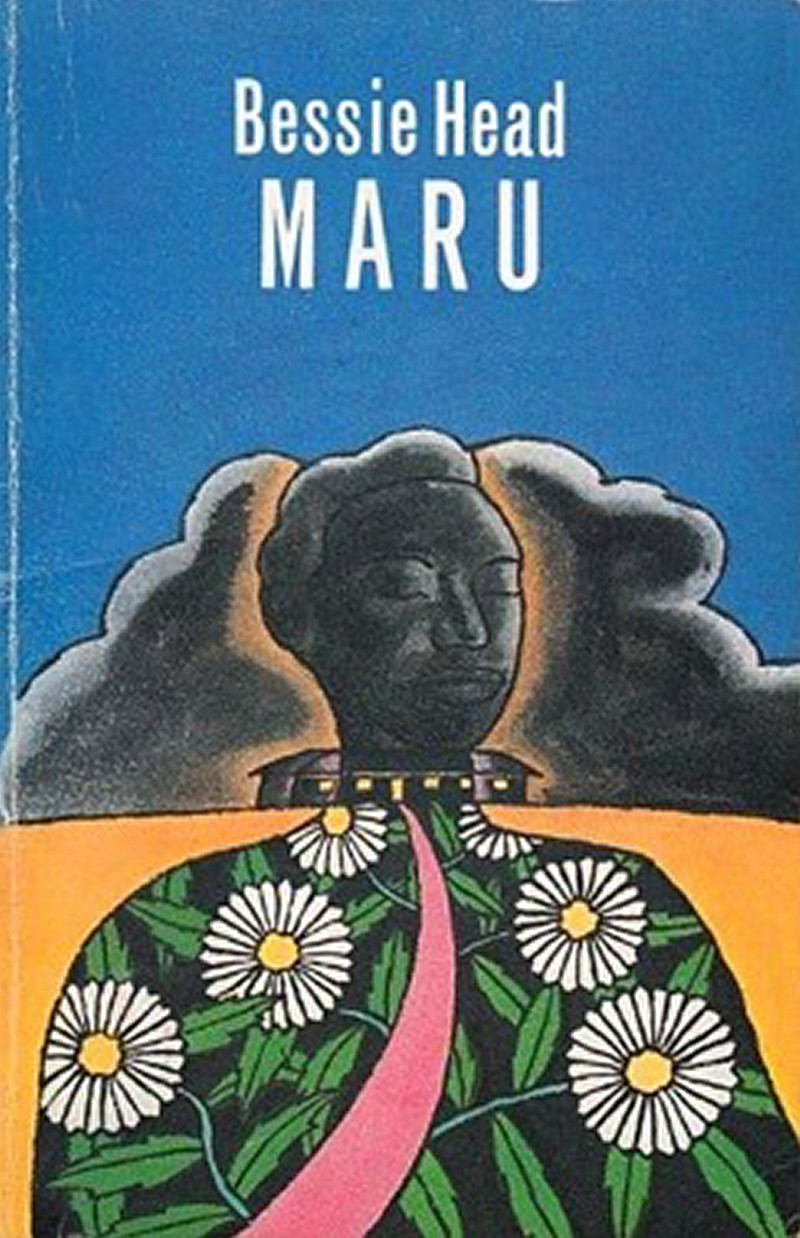
Maru
The story centers around the themes of racial prejudice and the societal restrictions imposed on an orphaned Masarwa girl named Margaret Cadmore, who is forced into servitude. The novel explores themes of love, identity, and belonging.
- Published1971
- TypeNovel
- GenreFiction
- LanguageEnglish
- CharactersMaru, Margaret Cadmore, Moleka, Dikeledi, Chief Raditladi
About the Author

Bessie Head
Bessie Head, a pivotal figure in African literature and social justice advocacy, known for addressing crucial social issues.
View Profile- OccupationWriter
- FromSouth Africa
- Other Works