
Mary: A Fiction
Overview
Mary: A Fiction follows the inner life and outward trials of Mary, a young woman endowed with ardent sensibility, intellect, and a hunger for moral independence. Written early in Mary Wollstonecraft’s career, the novel blends the sentimental mode with a clear critique of the social and economic arrangements that bind women to dependence. Through Mary’s intense attachments, first to a beloved female friend, later to a man whose spirit answers her own, the book traces the costs of a world that treats marriage as a bargain and feeling as a spectacle, while defending a heroine who insists on virtue as active benevolence and mental freedom.
Early Life and Marriage
Neglected by a vain mother and a self-interested father, Mary educates herself through reading, reflection, and music. Her sensibility is not mere softness; it is an ethical capacity that spurs her to relieve suffering and to judge character by sincerity rather than rank. When her family contrives a marriage of convenience to repair its fortunes, Mary consents without affection, calculating that the settlement will allow her to support those she loves. Her husband is fashionable, frivolous, and morally vacant, and she refuses to barter her inner freedom for conjugal compliance. The marriage becomes an emblem of legal bondage set against her private vow to live by reasoned feeling and duty.
Friendship with Ann
Before marriage Mary formed a profound, near-romantic friendship with Ann, a gentle, fragile woman whose ill health makes her dependent on care. Mary’s devotion is practical and passionate: she works to secure better lodgings, regulates Ann’s regimen, and seeks out restorative landscapes and climates. Their intimacy, treated with gravity and warmth, stands as a deliberate counterweight to the era’s insistence that a woman’s chief tie must be to a husband. Mary’s home becomes a refuge ordered around Ann’s comfort and the exercise of compassion, a model domesticity built on elective affection rather than contract.
Encounter with Henry
Travel undertaken for Ann’s health introduces Mary to Henry, a young man of cultivated mind and delicate constitution. Their affinity is swift and deep, founded on shared taste, moral candor, and an ideal of love as communion rather than possession. Because Mary is already married, and because both Ann’s dependency and Henry’s illness set hard limits, the relationship remains spiritually consummate but outwardly constrained. Wollstonecraft frames their bond not as infidelity but as a vindication of the heart’s right to judge worth, exposing the injustice of a system that sanctifies a mercenary tie while condemning a genuine one.
Loss and Aftermath
Ann’s decline ends in death abroad, and the shock leaves Mary suspended between grief and a duty to continue doing good. The fragile hope embodied in Henry flickers; his own failing health and eventual death sever the last promise of mutual happiness. Mary’s husband drifts further into dissipation, irrelevant to her moral story. What remains is the heroine’s austere resolution: to preserve her integrity, to cherish the memory of her chosen loves, and to measure life by the alleviation of others’ pain. The closing pages gather an elegiac calm, suggesting a spirit worn thin by sorrow yet unbroken in principle.
Themes and Significance
The novel advances a radical claim for its time: that a woman’s worth lies in her capacity for judgment, independence of mind, and purposeful feeling, not in obedience to property-making marriages. It elevates female friendship to the dignity of love, reimagines domestic virtue as active benevolence, and probes the costs of sensibility in a coarse, commercial world. Stylistically, it interweaves reflective essay-like passages with scenes of travel and care, turning the sentimental plot into an argument for reform. Mary’s story becomes a pioneering feminist portrait of a soul that insists on choosing its attachments, even when society forbids their fulfillment.
Citation Formats
APA Style (7th ed.)
Mary: A fiction. (2026, February 4). FixQuotes. https://fixquotes.com/works/mary-a-fiction/
Chicago Style
"Mary: A Fiction." FixQuotes. February 4, 2026. https://fixquotes.com/works/mary-a-fiction/.
MLA Style (9th ed.)
"Mary: A Fiction." FixQuotes, 4 Feb. 2026, https://fixquotes.com/works/mary-a-fiction/. Accessed 27 Mar. 2026.
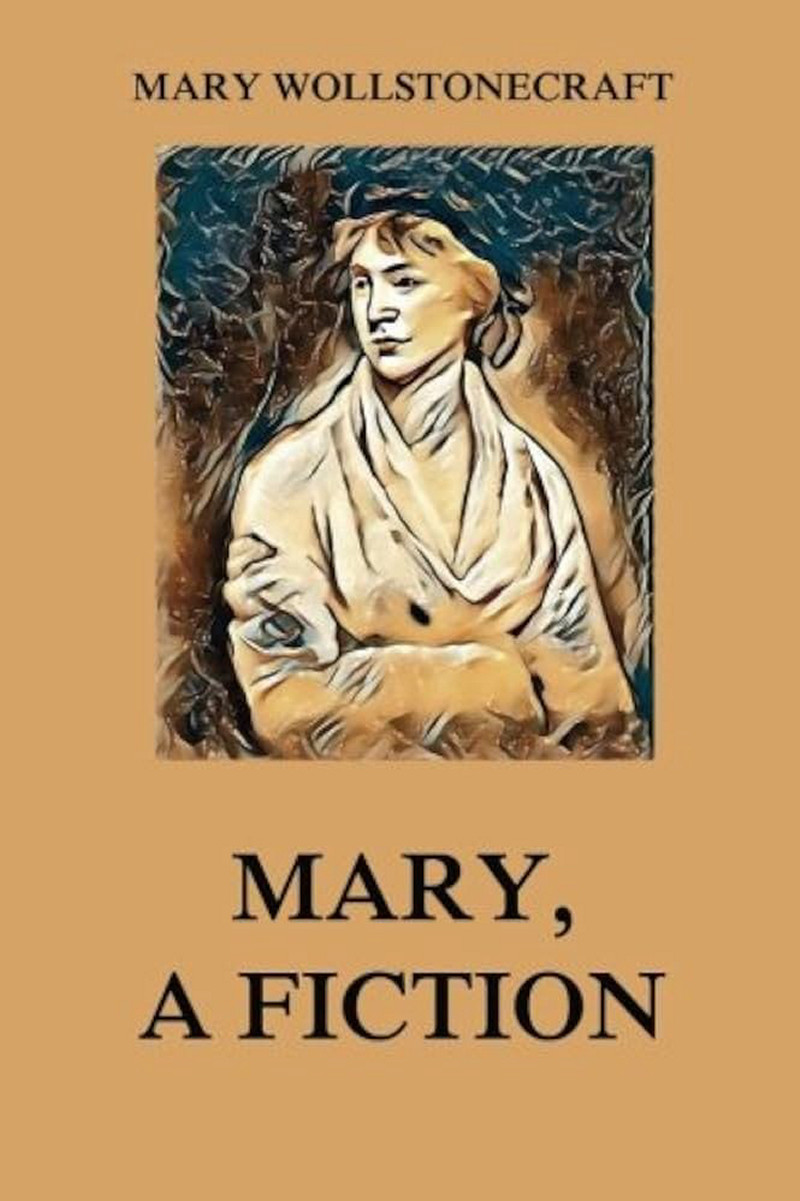
Mary: A Fiction
An epistolary novel that tells the story of Mary, a young woman who seeks intellectual fulfillment, self-discovery, and emotional and sexual freedom, in contrast to the restrictive social norms of 18th-century England.
- Published1788
- TypeNovel
- GenreEpistolary Fiction
- LanguageEnglish
- CharactersMary
About the Author

Mary Wollstonecraft
Mary Wollstonecraft, a key figure in feminism, known for A Vindication of the Rights of Women and her enduring legacy.
View Profile- OccupationWriter
- FromUnited Kingdom
- Other Works