
Alejo Carpentier Biography Quotes 3 Report mistakes
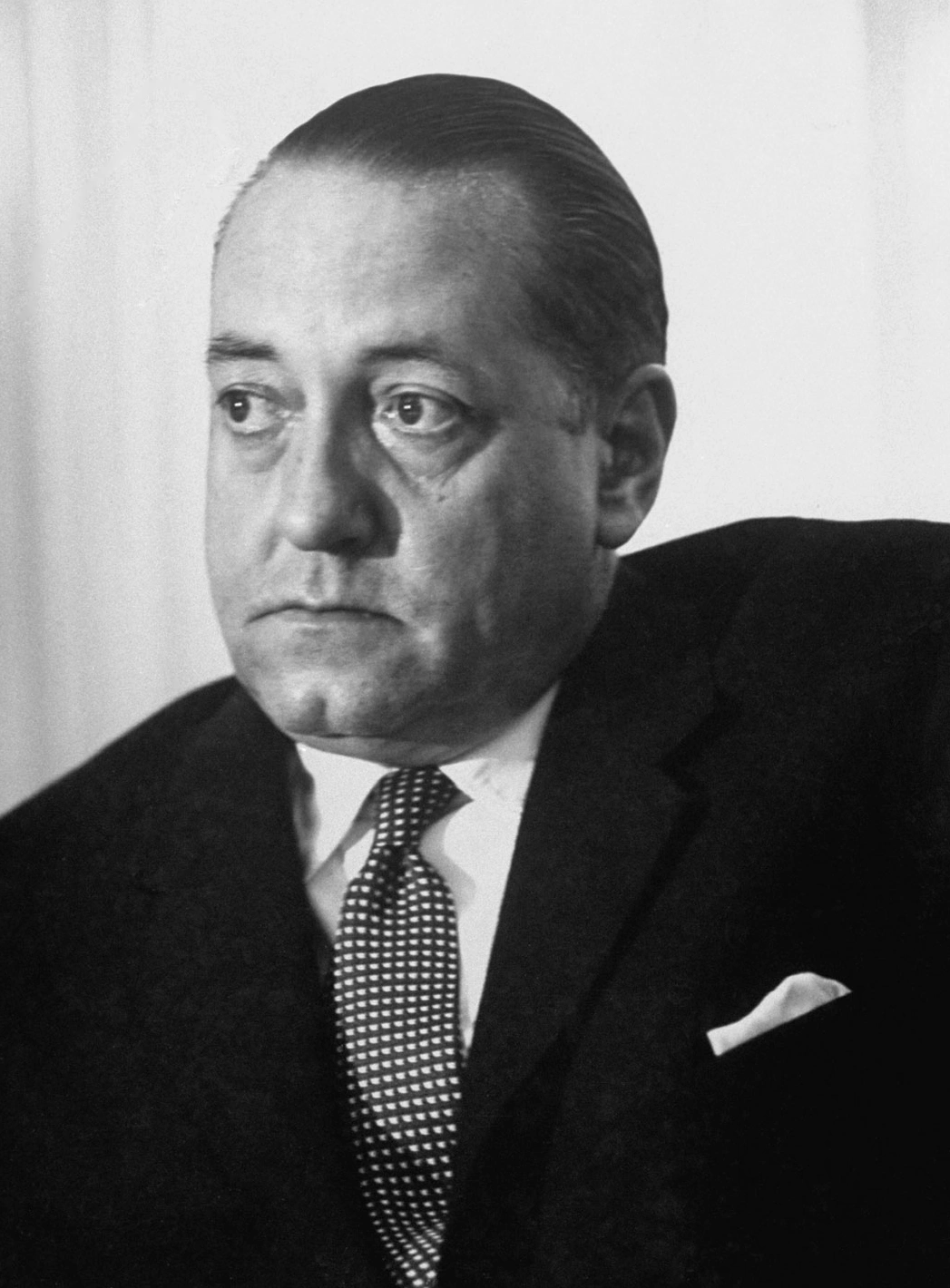
| 3 Quotes | |
| Born as | Alejo Carpentier y Valmont |
| Occup. | Novelist |
| From | Cuba |
| Born | December 26, 1904 Lausanne, Switzerland |
| Died | April 24, 1980 Paris, France |
| Cause | Cancer |
| Aged | 75 years |
| Cite | |
Citation Formats
APA Style (7th ed.)
Alejo carpentier biography, facts and quotes. (2026, February 11). FixQuotes. https://fixquotes.com/authors/alejo-carpentier/
Chicago Style
"Alejo Carpentier biography, facts and quotes." FixQuotes. February 11, 2026. https://fixquotes.com/authors/alejo-carpentier/.
MLA Style (9th ed.)
"Alejo Carpentier biography, facts and quotes." FixQuotes, 11 Feb. 2026, https://fixquotes.com/authors/alejo-carpentier/. Accessed 12 Feb. 2026.
Early Life and Background
Alejo Carpentier y Valmont was born on December 26, 1904, in Lausanne, Switzerland, to a French father and a Russian mother, and was raised primarily in Havana as Cuba moved from the aftershocks of independence into the dependencies and humiliations of the Platt Amendment era. That double origin - European at birth, Cuban by daily life - became a lifelong tension and resource: he experienced the island not as a picturesque periphery but as a laboratory where modernity, colonial memory, African survivals, and imported ideas collided in the streets, theaters, and port air.In Havana he grew up close to music and architecture, surrounded by the rituals of Catholicism and the pulse of popular dance, while the republics public life hardened into corruption and periodic repression. The young Carpentier absorbed the sonic mix of the city - military bands, salon piano, Afro-Cuban rhythms - and the sense that history in the Caribbean was not linear but layered, with conquest, slavery, revolution, and migration all still audible. That intuition - that the past in Latin America insists on being present - would later become his signature contribution to 20th-century narrative.
Education and Formative Influences
Carpentier studied architecture at the University of Havana, but his real education came from journalism, criticism, and the avant-garde circles that formed around magazines, concerts, and manifestos in the 1920s. He wrote on music and culture, translated, read the European modernists, and embraced the ferment of Afro-Cubanismo and the wider Latin American search for postcolonial forms. Under the dictatorship of Gerardo Machado he was arrested in 1927 for oppositional activity and spent months in prison; the experience sharpened his distrust of authoritarian rhetoric and deepened his conviction that art must confront power indirectly - through structure, myth, and historical perspective - rather than through slogans.Career, Major Works, and Turning Points
Released and pushed into exile, Carpentier moved to Paris in 1928, worked in radio and publishing, met Surrealists while keeping a critical distance, and cultivated an expertise in music that made him a cultural broker between Havana and Europe; he later lived for years in Venezuela, where travel through the Orinoco region and immersion in landscape and colonial archives fed his historical imagination. His breakthrough came with The Kingdom of This World (1949), a Haiti-set novel that crystallized his theory of lo real maravilloso; it was followed by The Lost Steps (1953), a philosophical expedition into time, The War of Time (1958), and the baroque panorama Explosion in a Cathedral (1962). After 1959 he supported the Cuban Revolution, served in cultural diplomacy (including in Paris), and produced late works such as Reasons of State (1974) and The Harp and the Shadow (1979), continuing to interrogate power, spectacle, and the Americas foundational lies until his death in Paris on April 24, 1980.Philosophy, Style, and Themes
Carpentier defined himself as a novelist formed by sound as much as by books. He treated rhythm, counterpoint, and variation as narrative principles, and his prose - famously baroque, sinuous, and orchestral - often moves like a long musical phrase, delaying resolution to heighten historical pressure. His insistence that he learned craft through lived practice rather than academic doctrine also reveals a psychology of disciplined spontaneity: "I studied harmony and composition in a very spontaneous manner". That blend - rigorous architecture under the mask of improvisation - mirrors his fiction, where meticulously researched archives are made to feel like discovery.Against European exoticism, Carpentier argued that the Americas contain a reality so dense with upheaval that it exceeds imported categories. He saw culture as an achievement won by stubborn labor, especially in music, where the island had to translate itself to skeptical metropoles. In that struggle he located both pride and unease: "Those who have always had faith in its final success can do no less than rejoice as if it was our own triumph after five years of daily struggle to impose Cuban music on the European continent". Even success, for Carpentier, carried the memory of effort and the fear of misreading. The same ambivalence surfaces in his accounts of cultural commission and responsibility - a mind alert to contingency and unintended outcomes: "I gladly accepted the commission but was uncertain about what the end result would be. On the one hand, Cuban music was conquering the world; being heard everywhere, and our small island was already producing one of the popular musical genres of the 20th century". His novels repeatedly return to revolutions that betray themselves, utopias that harden into bureaucracy, and characters who chase origins only to learn that history is not a path back but a spiral.
Legacy and Influence
Carpentier helped lay the aesthetic groundwork for the Latin American Boom by demonstrating that historical epic, philosophical inquiry, and experimental form could coexist without abandoning local specificity. His concept of lo real maravilloso offered an alternative to both realism and imported Surrealism, influencing writers from Gabriel Garcia Marquez to contemporary historical novelists and essayists, even as debates continue over how his vision intersects with later "magical realism". In Cuba he remains a central cultural figure - a bridge between musicology, journalism, and fiction - and internationally he endures as the novelist who made the Americas past feel architecturally present, turning archives into lived time and prose into a kind of symphony of history.Our collection contains 3 quotes written by Alejo, under the main topics: Music - Perseverance.
Other people related to Alejo: Federico Garcia Lorca (Poet)
Alejo Carpentier Famous Works
- 1967 The Chase (Novel)
- 1962 Explosion in a Cathedral (Novel)
- 1958 The War of Time (Short Story Collection)
- 1953 The Lost Steps (Novel)
- 1949 The Kingdom of This World (Novel)
Source / external links