
Book: Men/Women
Overview
"Men/Women" (1989) collects the distinctive black-and-white portraiture of Herb Ritts into a two-volume presentation that separates and celebrates masculine and feminine forms. The books pair spare, arresting photographs with a deliberate focus on line, light, and surface, offering a visual study of celebrity and archetype at the height of Ritts' influence. Images range from intimate close-ups to full-figure compositions that treat bodies as sculptural subjects rather than simply icons of fame.
Ritts' aesthetic sits at the crossroads of fashion photography and fine art portraiture. The volumes emphasize immediacy and purity: each photograph reads as a carefully composed study of posture, gaze, and negative space, and together they map a late-20th-century sensibility that privileged elegant minimalism and classical proportion.
Visual Style and Technique
Ritts worked almost exclusively in black-and-white for these volumes, using strong, directional light to model skin and form with cinematic clarity. Shadows carve musculature and bone, while highlights trace contours, creating a tactile sense of the body. His compositions are often pared down to essential elements, with uncluttered backgrounds and precise framing that foreground the subject's presence.
There is a palpable interest in contrast and texture: smooth skin against rough rock, taut musculature against flowing fabric, or the geometry of a jawline set against a strip of sky. Whether shot on windswept coastline, under harsh studio light, or at the threshold of a simple architectural plane, each photograph reveals an obsession with sculptural beauty and timeless silhouette.
Subjects and Themes
The two volumes present an array of figures from entertainment, fashion, art, and sport, staged to emphasize both public persona and private presence. Portraits capture a spectrum of emotional registers, aloofness, defiance, vulnerability, while consistently framing those emotions within an idealized visual language of grace and power. The camera often treats celebrity as a modern myth, where bodies and faces become emblematic forms rather than merely likenesses.
Underlying the glamour is a deeper exploration of gendered presentation. By organizing the photographs into "Men" and "Women, " the books invite comparisons of posture, gaze, and convention. Rather than reducing subjects to stereotype, Ritts frequently complicates expectations by showing tenderness in men and assertiveness in women, highlighting fluidities and tensions in notions of beauty and strength.
Design and Presentation
Presented as a high-quality, large-format pair, the volumes favor generous reproductions that honor the tonal subtleties of Ritts' prints. Pages breathe around the images, allowing the viewer to move through visual statements without distraction. Minimal captions or textual apparatus keep attention focused on photographic composition and the immediate impact of each frame.
The physical object echoes the photographs' spare elegance: unadorned covers, restrained typography, and a layout that privileges scale and sequence over explanatory copy. The decision to separate male and female series into distinct books reinforces the conceptual clarity of the project while offering collectors a ceremonial way to engage with the work.
Reception and Legacy
Upon publication, the books reinforced Herb Ritts' reputation as a defining voice in late-20th-century image-making, influencing fashion photography, advertising, and music-video aesthetics. The photographs' blend of commercial polish and fine-art restraint helped shift perceptions of celebrity portraiture toward a more sculptural and timeless mode. Subsequent generations of photographers cite Ritts' treatment of form, light, and composition as foundational.
Decades on, "Men/Women" remains sought after by photography enthusiasts, designers, and cultural historians for its distilled approach to beauty and its role in shaping visual culture at a moment when celebrity and style were becoming globally codified. The volumes stand as an eloquent testament to Ritts' ability to translate personality into enduring, iconic imagery.
Citation Formats
APA Style (7th ed.)
Men/women. (2025, September 13). FixQuotes. https://fixquotes.com/works/men-women/
Chicago Style
"Men/Women." FixQuotes. September 13, 2025. https://fixquotes.com/works/men-women/.
MLA Style (9th ed.)
"Men/Women." FixQuotes, 13 Sep. 2025, https://fixquotes.com/works/men-women/. Accessed 5 Mar. 2026.
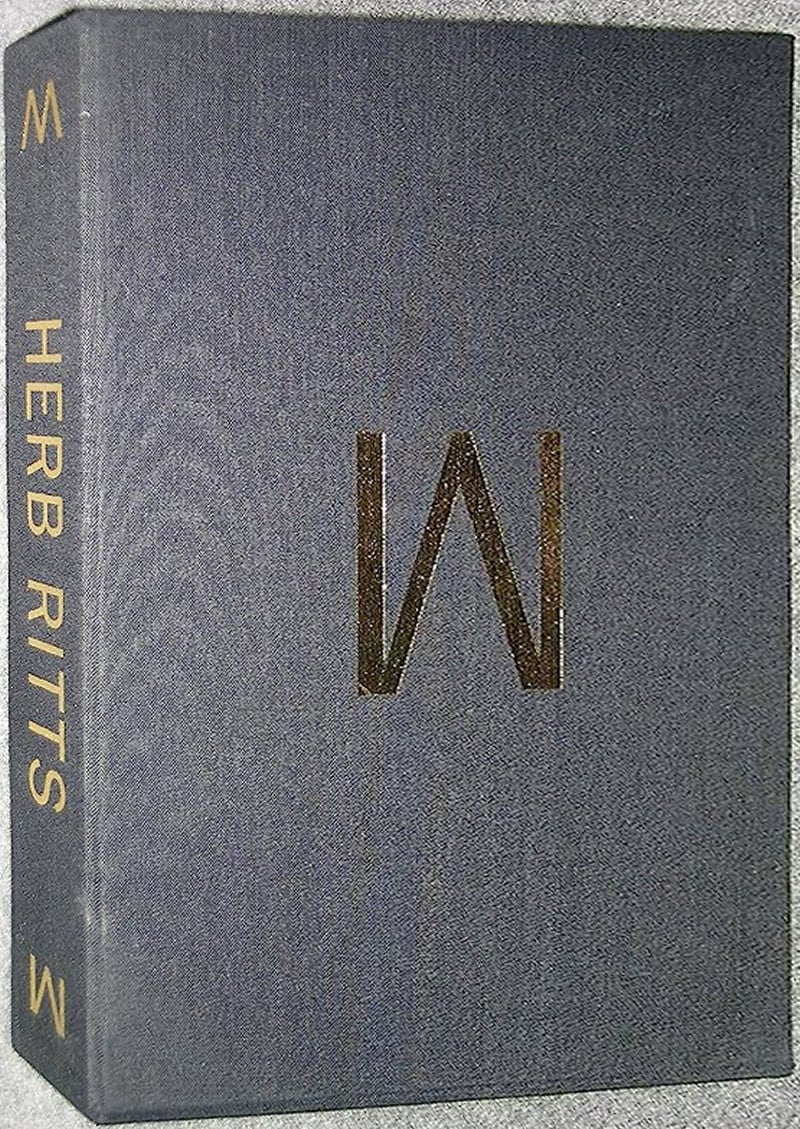
Men/Women
Men/Women is a two-volume collection of black and white photographs by Herb Ritts, featuring portraits of famous men and women in the worlds of entertainment, art, and sports.
- Published1989
- TypeBook
- GenrePhotography, Art
- LanguageEnglish
About the Author

Herb Ritts
Herb Ritts, a master of black-and-white photography known for his elegant portraits of celebrities and iconic fashion images.
View Profile- OccupationPhotographer
- FromUSA
-
Other Works
- Pictures (1988)
- Notorious (1992)
- Work (1996)
- Herb Ritts: The Golden Hour (2010)
- Herb Ritts: L.A. Style (2012)