
Hans Magnus Enzensberger Biography Quotes 3 Report mistakes
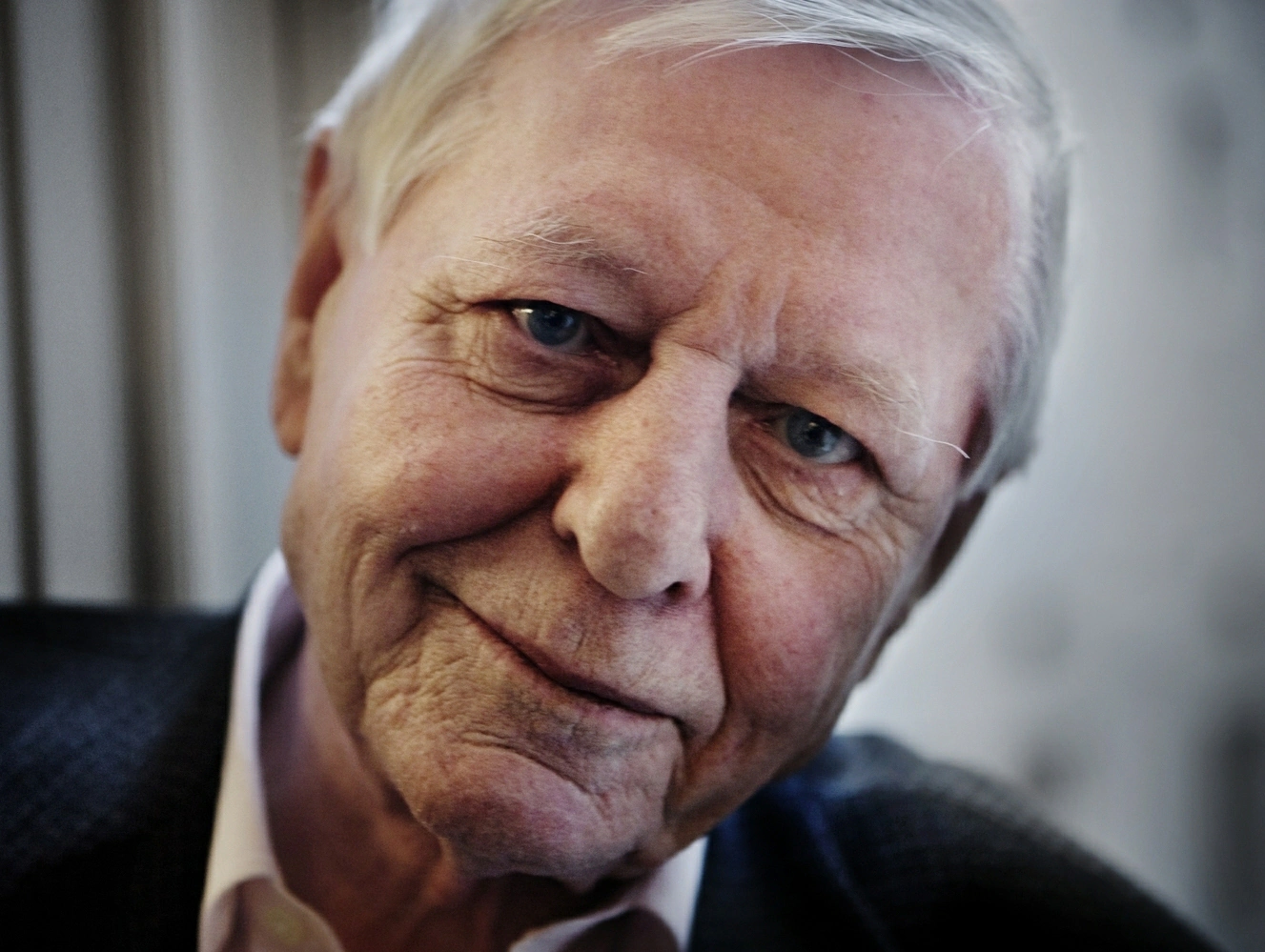
| 3 Quotes | |
| Occup. | Author |
| From | Germany |
| Born | November 11, 1929 Kaufbeuren, Germany |
| Age | 96 years |
| Cite | |
Citation Formats
APA Style (7th ed.)
Hans magnus enzensberger biography, facts and quotes. (2026, February 11). FixQuotes. https://fixquotes.com/authors/hans-magnus-enzensberger/
Chicago Style
"Hans Magnus Enzensberger biography, facts and quotes." FixQuotes. February 11, 2026. https://fixquotes.com/authors/hans-magnus-enzensberger/.
MLA Style (9th ed.)
"Hans Magnus Enzensberger biography, facts and quotes." FixQuotes, 11 Feb. 2026, https://fixquotes.com/authors/hans-magnus-enzensberger/. Accessed 12 Feb. 2026.
Early Life and Background
Hans Magnus Enzensberger was born on November 11, 1929, in Kaufbeuren, Bavaria, into the brittle calm of late Weimar Germany and the accelerating pressures of National Socialism. He grew up in a solidly middle-class household; his father worked as a telecommunications engineer, a profession that placed modern technology and bureaucratic order close to the family table. The boy who would later anatomize propaganda and mass media was formed early by a world where messages were transmitted, monitored, and weaponized.Adolescence coincided with total war and its aftermath. Like many of his generation, he encountered the Hitler Youth apparatus, yet resisted its complete capture; his early memories were less of heroic belonging than of enforced conformity and the quiet humiliations of a society organized around obedience. The collapse of 1945, the occupation years, and the moral fog around complicity gave him a lifelong suspicion of grand narratives and a sharpened instinct for how language can launder violence into normality.
Education and Formative Influences
After the war he studied literature and philosophy across several universities - including Erlangen, Freiburg, and the Sorbonne in Paris - absorbing both German traditions and French intellectual life at close range. He completed a doctorate in 1955 on the poetics of Clemens Brentano, a Romantic whose musical language and irony offered Enzensberger a model for precision without solemnity. The era also pushed him toward internationalism: he read widely in Anglo-American modernism and developed a journalist's feel for contemporary argument, balancing academic training with an impatience for institutions that spoke more than they listened.Career, Major Works, and Turning Points
Enzensberger emerged in the 1950s as one of West Germany's most acute literary voices, associated with Gruppe 47 and the postwar push to rebuild public language after fascism. His early poetry, notably Verteidigung der Woelfe (1957), blended satire with civic rage, while the essay collection Einzelheiten (1962) established his reputation as a critic of ideology and consumer society. He edited the influential Kursbuch (from 1965), a key forum for New Left debates, and moved between reportage, political essays, and formally inventive books: the documentary-poetic inquiry Der kurze Sommer der Anarchie (1972) on Buenaventura Durruti and the Spanish Civil War; later the paradoxical, fable-like political thought of Der Untergang der Titanic (1978) and the compact moral histories of books such as Hammerstein oder Der Eigensinn (2008). Across decades he wrote as a public intellectual without becoming a party functionary, repeatedly revising his stance toward 1968 radicalism, state power, and the seductions of purity.Philosophy, Style, and Themes
Enzensberger's inner life reads as a sustained experiment in keeping the mind mobile under pressure. His work circles the same anxiety: that modern societies create obedience not only by force but by comfort, entertainment, and the pretense of inevitability. He treated culture as an active agent rather than a museum, a process that works on people even when they barely notice it: "Culture is a little like dropping an Alka-Seltzer into a glass - you don't see it, but somehow it does something". That metaphor captures both his skepticism and his hope - skepticism toward proclamations of cultural salvation, hope that small reactions in language can change the chemistry of public life.Style was his method of resistance. He favored clarity, montage, and swift shifts in register - poem to pamphlet to parable - because a single tone, he believed, invites capture by dogma. His political psychology distrusted charismatic extremes; he could write with icy wit about the dangers of "greatness" in government, insisting that workable dullness can be safer than visionary catastrophe: "Mediocrity in politics is not to be despised. Greatness is not needed". The same realism animated his recurring theme of disorientation: modern subjects, bombarded by information, must admit confusion before they can act responsibly - "Every orientation presupposes a disorientation". In his best work, that admission becomes ethical: to think is to resist automatic alignment, to keep a margin where conscience can speak.
Legacy and Influence
Enzensberger died in 2022, leaving a body of work that helped define the moral and rhetorical texture of the Federal Republic. He influenced poets, essayists, and journalists by modeling how a writer can be simultaneously lyrical and analytical, politically engaged yet allergic to sectarianism. His books remain touchstones for readers trying to understand how democracies manufacture consent, how revolutions romanticize themselves, and how individuals navigate the unstable space between private integrity and public speech - a space he never stopped interrogating, especially in himself.Our collection contains 3 quotes written by Hans, under the main topics: Wisdom - Deep.
Other people related to Hans: Wolfgang Hildesheimer (Author), Gunter Grass (Author)
Hans Magnus Enzensberger Famous Works
- 1997 The Number Devil (Novel)
- 1987 Europe, Europe (Book)
- 1983 Civil Wars (Book)
- 1982 Critical Essays (Book)
Source / external links