
Book: Paroles
Overview
Paroles is a compact, fiercely human collection of poems by Jacques Prévert that captures everyday life with immediacy and lyric clarity. The poems range from brief, conversational pieces to longer, narrative poems that move through domestic scenes, urban landscapes, and intimate moments. Lines are often deceptively simple, carrying emotional weight through rhythm, repetition, and carefully chosen images.
Prévert's voice is plainspoken but resonant, shifting between tenderness and ironical distance. Humor and melancholy coexist, so that celebration and sorrow feel like two sides of the same gaze. The collection feels like a conversation with the reader: candid, urgent, and humane.
Tone and Themes
A central impulse in Paroles is to affirm life in the face of hardship, absurdity, and political cruelty. The poems honor ordinary people, lovers, children, workers, small-time crooks, and insist on their dignity. Love appears as both a domestic reality and a defiant refusal of dehumanizing forces, while friendship and solidarity recur as moral anchors.
Social critique threads through the collection without turning the poems into tracts. Prévert exposes injustice and hypocrisy, often through wry observation or metaphoric inversions, but he refuses to surrender to despair. Memory, loss, and the passage of time shade many pieces, giving sweetness to simple recollections and bitterness to broken promises.
Language and Technique
The language of Paroles privileges clarity, colloquial speech, and musical line breaks that mimic natural breath. Prévert plays with syntax and enjambment to create momentum, and his ear for everyday speech makes each poem feel immediate. Repetition, refrain, and sudden shifts in tone provide dramatic shape, while a steady use of concrete images grounds abstractions in the sensory world.
Surreal touches appear intermittently, not as end in themselves but as a way to make the familiar strange and to reveal hidden connections. The poet borrows from street talk, song, and theatre, blending those influences into a register that is theatrical and confiding at once. Rhyme is rarely formal; instead rhythm and cadence carry the song-like quality.
Notable Images and Poems
Recurring images, windows and doors, shoes and clothes, birds and trains, serve as small stages where human dramas play out. Ordinary objects become symbols of desire, loss, or social condition, and their repetition binds the collection into a cohesive emotional geography. Several poems hinge on a single luminous image that unfolds into a wider human truth.
The famous pieces are memorable for their economy and emotional hit: snippets of dialogue, rapid scene changes, and endings that land like a quiet revelation. Moments of quotidian tenderness, an awkward kiss, a child's gesture, a shared cigarette, are rendered with a dignity that transforms the small into the portentous.
Political and Philosophical Voice
Prévert's politics are humane rather than partisan: he champions the powerless and ridicules those who profit from cruelty. Satire and indignation are tempered by compassion, so political critique becomes an ethical stance. The poems ask readers to recognize common humanity, to resist dehumanization, and to keep imagination alive as a tool of survival.
Philosophically, Paroles embraces contradiction. Joy and grief coexist, love is both fragile and resistant, and wonder persists even when structures fail. The poet trusts the reader's intelligence, offering images and gestures that invite reflection rather than delivering fixed conclusions.
Legacy and Influence
Paroles has had a lasting cultural presence in France and beyond, entering chanson, film, and school curricula while influencing poets who value clarity and moral engagement. Its accessibility allowed a broad readership to experience modern poetry as part of daily life, and its blend of lyricism and social conscience remains a model for writing that wants to move and to matter. The poems continue to resonate because they insist, in plain language, that dignity, humor, and attention can survive even the darkest moments.
Citation Formats
APA Style (7th ed.)
Paroles. (2026, February 5). FixQuotes. https://fixquotes.com/works/paroles/
Chicago Style
"Paroles." FixQuotes. February 5, 2026. https://fixquotes.com/works/paroles/.
MLA Style (9th ed.)
"Paroles." FixQuotes, 5 Feb. 2026, https://fixquotes.com/works/paroles/. Accessed 7 Mar. 2026.
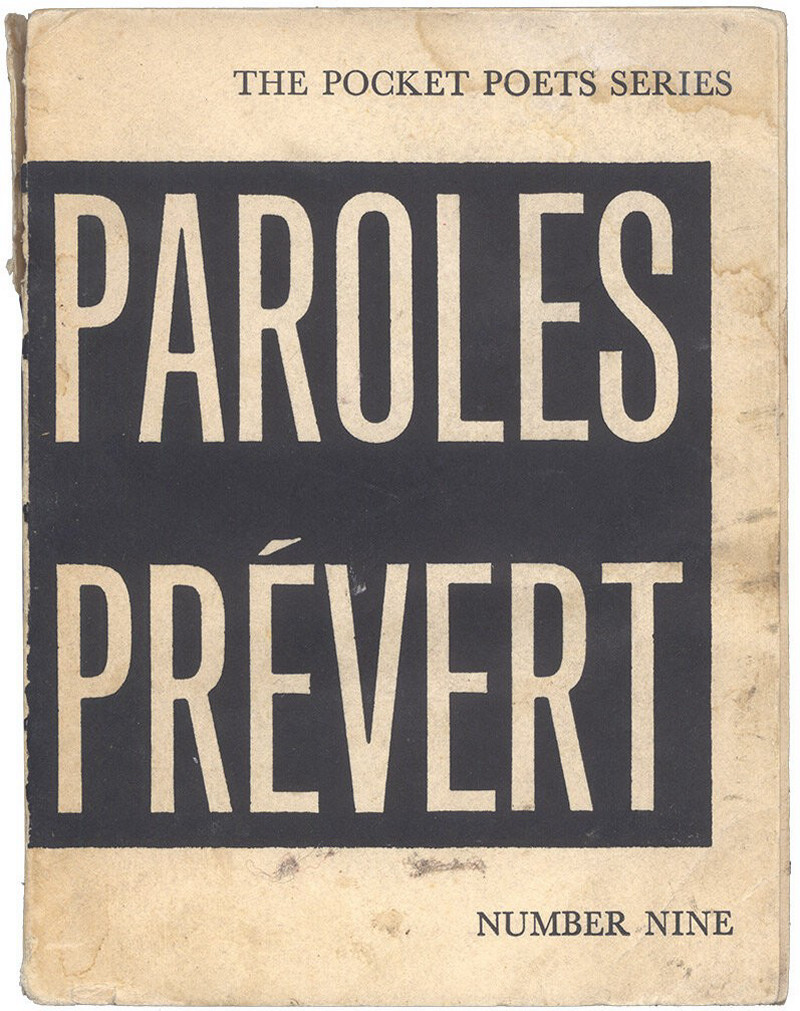
Paroles
Paroles is a collection of Jacques Prevert's poems that celebrate life with intensity and sorrow, offering political and philosophical statements.
- Published1945
- TypeBook
- GenrePoetry
- LanguageFrench
About the Author

Jacques Prevert
Jacques Prevert, a renowned French poet and screenwriter who shaped 20th-century literature and cinema.
View Profile- OccupationPoet
- FromFrance
-
Other Works
- Les Enfants du Paradis (1943)
- Spectacle (1951)
- La Pluie et le Beau Temps (1955)
- Histoires (1963)
- Le Roi et L'oiseau (1980)