
Poems by Emily Dickinson: First Series
Overview
Emily Dickinson's Poems: First Series (1890) introduced the reclusive Amherst poet to a wide public, revealing a startlingly original American voice. Edited by Mabel Loomis Todd and Thomas Wentworth Higginson and published by Roberts Brothers, the volume gathers a selection of short, untitled lyrics into a coherent portrait of a mind preoccupied with mortality, ecstasy, conscience, and the natural world. The collection became the foundation of Dickinson's posthumous reputation, announcing her as a radical innovator in lyric form and a metaphysician of the everyday.
Editorial Shaping and Structure
The editors assembled 115 poems not in chronological order but under broad thematic headings: Life, Love, Nature, and Time and Eternity. They often supplied titles or used prominent phrases as labels, and they standardized punctuation, capitalization, and rhyme to fit prevailing nineteenth-century taste. Dickinson's characteristic dashes were largely removed, stanza breaks regularized, and some slant rhymes adjusted to full rhyme. Even through this smoothing, the singularity of her thought and image-making persists. The arrangement emphasizes emotional arcs within each section, aspiration and doubt in Life, longing and renunciation in Love, minute observation in Nature, and awe before mortality and immortality in Time and Eternity, so that the book reads as a sequence of philosophical meditations rather than a miscellany.
Themes and Imagery
Death and what might follow animate the volume, not as morbid fixation but as a lens sharpening earthly experience. Death appears courteous, terrifying, inevitable, and oddly intimate, a companion at the threshold rather than a distant abstraction. The poems balance faith and skepticism, handling doctrine with wit and a scientist’s curiosity. Nature offers an alternate scripture: bees, birds, clover, frost, and the changing light become emblems by which she measures joy, loss, and the soul’s amplitude. Ecstasy is figured as intoxication, air as “liquor, ” dew as a draught, while defeat and privation are explored with equal intensity, as in the famous paradox that success is best understood by those denied it. Love enters as rapture, absence, and covenant; it is frequently inward and unsentimental, tested against time and conscience.
Style and Voice
The voice is compressed, aphoristic, and startling in its metaphors. Common meter and variants of hymn and ballad stanzas undergird the lyrics, creating a tension between formal familiarity and radical perception. Paradox operates as an engine of thought; definitions pivot on a dash, and nouns become verbs to catch volatility of feeling. Even in the edited text, slant rhyme glances through, and syntax leaps ahead of expectation, producing a sense of mental quickness and heightened interiority. The first person is less confession than instrument, probing cognition, faith, and perception. Irony and play suffuse solemn subjects; the poems flip between domestic scale and cosmic courtship without strain.
Notable Motifs
Carriage rides, funerals, and thresholds stage encounters with finitude. Windows, doors, and light mark passage between states of knowing. Weather, seasons, and small creatures serve as barometers for spiritual weather. Bells, guns, courts, and ledgers import legal, martial, and commercial languages to weigh moral claims and emotional debts, giving abstract experience a crisp, worldly edge.
Significance
As the first substantial introduction of Dickinson to readers, the volume shaped early perceptions of her as a quaintly mystic yet piercingly original poet. Its editorial interventions sparked later debate, and subsequent editions restored her orthography and variants, but the First Series retains historical force: it mapped the terrain of her obsessions and displayed the tensile strength of her lyric thought. The book’s mingling of New England particulars with metaphysical daring opened a new space for American poetry, where the quietest sensations carry the largest stakes and eternity presses close to the parlors and fields of everyday life.
Citation Formats
APA Style (7th ed.)
Poems by emily dickinson: First series. (2025, August 25). FixQuotes. https://fixquotes.com/works/poems-by-emily-dickinson-first-series/
Chicago Style
"Poems by Emily Dickinson: First Series." FixQuotes. August 25, 2025. https://fixquotes.com/works/poems-by-emily-dickinson-first-series/.
MLA Style (9th ed.)
"Poems by Emily Dickinson: First Series." FixQuotes, 25 Aug. 2025, https://fixquotes.com/works/poems-by-emily-dickinson-first-series/. Accessed 27 Mar. 2026.
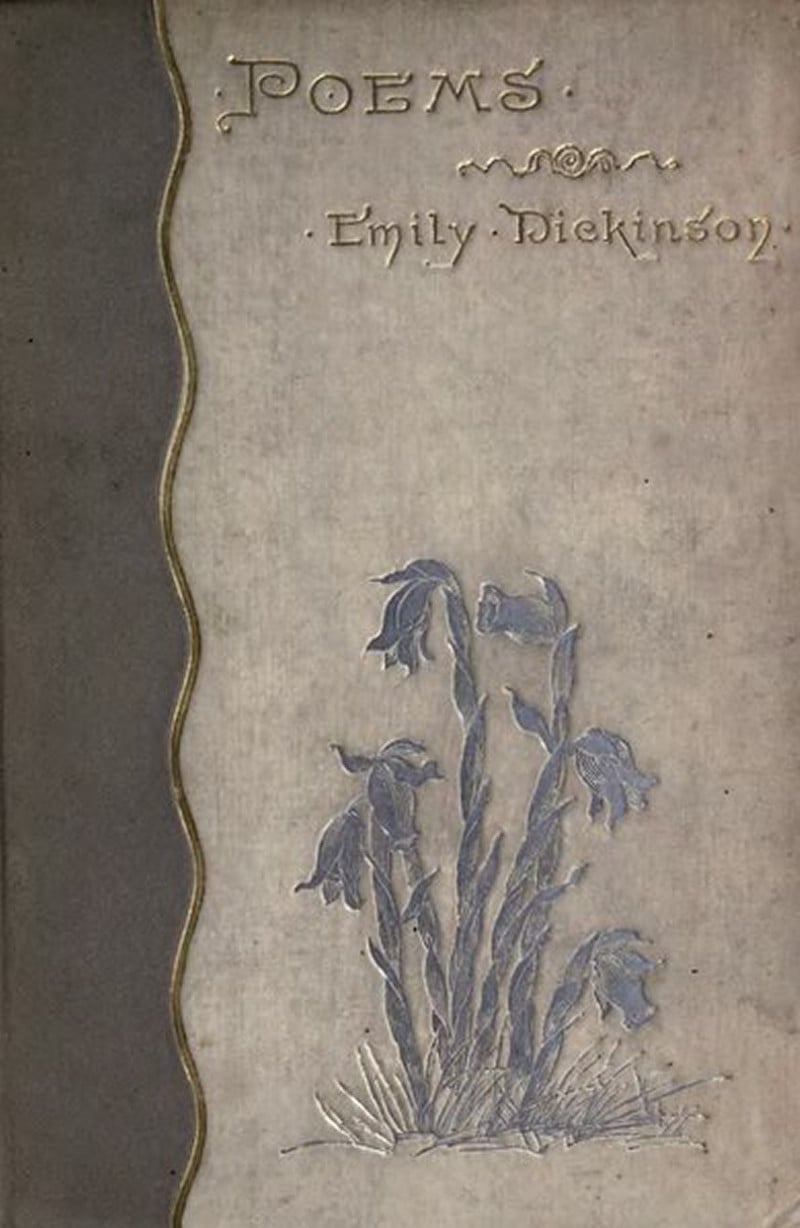
Poems by Emily Dickinson: First Series
A collection of Emily Dickinson's poetry, edited and published by Mabel Loomis Todd and T.W. Higginson.
- Published1890
- TypeBook
- GenrePoetry
- LanguageEnglish
About the Author

Emily Dickinson
Emily Dickinson, an innovative American poet known for her unique style and profound themes of death, nature, and spirituality.
View Profile