
Poetry Collection: Prison
Overview
Published in 1992, Prison gathers the dark, unflinching poems of Steven Jesse Bernstein into a compact encounter with the margins of American life. Poems move between moments of brutal specificity and jagged, hallucinatory leaps, describing both literal confinement and the many ways people make their own cages. Language here is immediate and forensic; lines land like blows and then reveal something fragile underneath.
Bernstein's voice is at once combative and intimate. He addresses the reader, the city, himself, and imagined others with a performer's urgency, shaping short, intense pieces that read like fragments of monologue or shards of confession. The collection favors images that shock and scenes that refuse easy sympathy, yet beneath the fury and grit there is a persistent attention to human vulnerability.
Themes and Tone
Themes revolve around incarceration, addiction, mental illness, poverty, and the social systems that produce suffering. Prison explores how institutions and private demons intersect: the cell and the street, the clinic and the bottle, the institutional record and the memory that won't settle. Bernstein treats punishment and containment not only as physical states but as psychic conditions that shape identity and possibility.
The tone shifts frequently, sarcastic, enraged, tender, grotesque, so that the reader is alternately repelled and moved. Black humor runs through the pages as a kind of survival mechanism; violent imagery is offset by sudden acts of clarity or compassion. The emotional register is raw rather than ornamental, giving the poems a sense of lived urgency.
Language and Form
Formally, the poems are compact and speech-driven, reflecting Bernstein's background as a performance poet. Lines often read like fragments of spoken testimony, with repetition and clipped syntax producing a cadence that is both incantatory and conversational. There is little reliance on formal rhyme or meter; instead, the power comes from diction, surprise, and the relentless narrowing of focus.
Imagery is tactile and specific, concrete walls, medicine cabinets, needles, city alleys, rendered with a sensory immediacy that makes small details feel consequential. Similes and metaphors are spare but sharp, and the poems frequently collapse into a single sustained image or scene that holds the reader's attention until the end.
Context and Legacy
Placed in the cultural landscape of the late twentieth century, the collection mirrors the urban disenchantment and cultural friction of its era while also feeling timeless in its exploration of human fragility. Bernstein's work is rooted in a spoken-word tradition and the underground scenes of the Pacific Northwest, and these influences show in the work's performative force and uncompromising honesty.
Prison endures as a challenging and affecting book: it asks readers to endure difficult sights and to recognize the humanity embedded in ruin. For those willing to enter its uncompromising spaces, the poems offer testimony, witness, and a fierce, unsettling compassion that lingers after the last line.
Citation Formats
APA Style (7th ed.)
Prison. (2026, February 4). FixQuotes. https://fixquotes.com/works/prison/
Chicago Style
"Prison." FixQuotes. February 4, 2026. https://fixquotes.com/works/prison/.
MLA Style (9th ed.)
"Prison." FixQuotes, 4 Feb. 2026, https://fixquotes.com/works/prison/. Accessed 13 Feb. 2026.
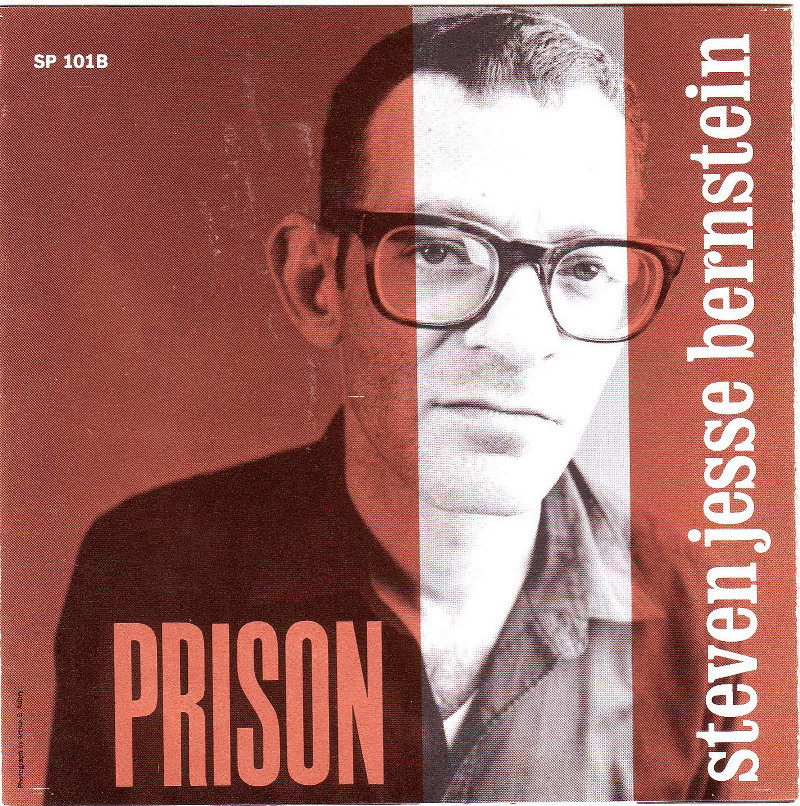
Prison
Prison is a collection of Steven Jesse Bernstein's dark and vivid poems, largely about his personal experiences and struggles, as well as his observations on society and human nature.
- Published1992
- TypePoetry Collection
- GenrePoetry
- LanguageEnglish
About the Author

Steven Jesse Bernstein
Steven Jesse Bernstein, an influential poet and performance artist known for his dark, provocative style and grunge connections.
View Profile