
Novel: Sandworms of Dune
Overview
Sandworms of Dune finishes the long thread begun with Hunters of Dune, bringing to a close the sprawling struggle between human survivors and their machine adversaries. The book gathers characters from across the Dune universe, gholas of revered ancestors, Bene Gesserit, Tleilaxu, and remnants of the Atreides line, and pushes them into a desperate campaign to secure humanity's future against an ancient, relentless enemy. The title evokes both the literal return of Arrakis's iconic creatures and the larger idea of forces that must be confronted and either tamed or destroyed.
The novel blends high-stakes space opera, political maneuvering, genetic intrigue, and philosophical questions about memory, identity, and destiny. It resolves many of the cliffhangers left by the previous book while attempting to honor the tone and legacy of the original Dune saga, balancing action and introspection as characters confront the price of survival.
Main players and stakes
Central figures include multiple Duncan Idaho gholas, Sheeana who commands influence with sandworms, and Murbella, representing the fragile unity of Bene Gesserit and Honored Matres. Miles Teg's tactical brilliance and the resurrected memories within ghola minds drive much of the strategic response to the machine threat. On the opposing side, ancient thinking machines and their distributed intelligence press an overwhelming war of annihilation, aiming to purge or subjugate biological life across human space.
The stakes are existential: humanity's ability to remain free, to evolve, and to direct its own fate hangs in the balance. The characters race to unite disparate factions, recover lost technologies, and decode hints from ancestral memories that might provide a decisive edge. Personal loyalties, betrayals, and the moral costs of using ruthless means for survival complicate every choice.
Plot arc and resolution
The narrative accelerates from pursuit to confrontation. Fugitives hidden in no-ships and scattered enclaves are hunted by machine fleets, forcing alliances among former enemies. Gholas with implanted recollections of historical leaders are cultivated not only for their skills but for the hope that ancestral insight can outwit machine logic. Meanwhile, Sheeana's link to sandworms and the spice continues to matter: control of spice and worm ecology remains central to any plan capable of challenging machine dominance.
Major confrontations blend space battles, infiltration, and the use of ancient and recovered technologies. Tactical gambits hinge on human unpredictability, the strength of personal memory, and bold sacrifices. The resolution depends on combining political cunning with scientific and spiritual knowledge, culminating in an outcome that ends the immediate machine threat and reshapes the balance of power. Several beloved and controversial characters meet decisive fates, and long-standing mysteries, including the ultimate nature of certain antagonists and the reasons behind earlier manipulations, receive explanations that tie back to the saga's original motifs.
Themes, tone, and legacy
Sandworms of Dune wrestles with continuity and choice. Memory, both genetic and cultural, is a double-edged sword, offering guidance but also repeating patterns that must be broken. Autonomy versus control, the ethics of engineered consciousness, and the tension between destiny and free will run through the actions and inner lives of the protagonists. The return of the sandworms symbolizes both ecological renewal and the resurgence of ancient power that cannot be wholly mastered.
The novel aims to provide closure, answering many outstanding questions while leaving room for reflection on how civilizations endure. Its blend of action and philosophical inquiry will appeal to readers invested in Dune's grand themes, even as some will debate how closely the resolution aligns with the sensibilities of the original series. Ultimately, Sandworms of Dune offers a dramatic, conclusive chapter about survival, sacrifice, and the lengths to which humanity will go to remain human.
Citation Formats
APA Style (7th ed.)
Sandworms of dune. (2025, November 20). FixQuotes. https://fixquotes.com/works/sandworms-of-dune/
Chicago Style
"Sandworms of Dune." FixQuotes. November 20, 2025. https://fixquotes.com/works/sandworms-of-dune/.
MLA Style (9th ed.)
"Sandworms of Dune." FixQuotes, 20 Nov. 2025, https://fixquotes.com/works/sandworms-of-dune/. Accessed 6 Mar. 2026.
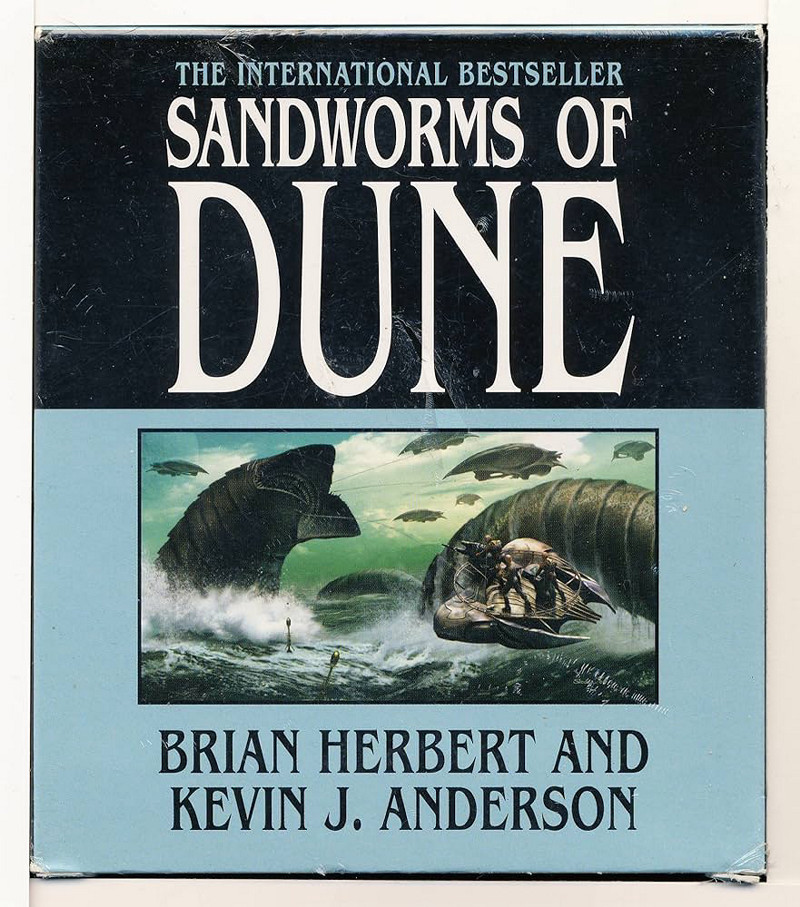
Sandworms of Dune
The conclusion of the story that began in Hunters of Dune, featuring the final battle for humanity's survival in the face of ancient enemies.
- Published2007
- TypeNovel
- GenreScience Fiction
- LanguageEnglish
- CharactersMurbella, Duncan Idaho, Omnius, Erasmus
About the Author

Brian Herbert
Brian Herbert, acclaimed sci-fi author known for expanding Frank Herbert's Dune series. Discover his journey from law enforcement to literary fame.
View Profile- OccupationAuthor
- FromUSA
-
Other Works
- House Atreides (1999)
- House Harkonnen (2000)
- House Corrino (2001)
- Dune: The Butlerian Jihad (2002)
- Dune: The Machine Crusade (2003)
- Dune: The Battle of Corrin (2004)
- Hunters of Dune (2006)
- Paul of Dune (2008)
- The Winds of Dune (2009)
- Sisterhood of Dune (2012)
- Mentats of Dune (2014)
- Navigators of Dune (2016)