
Book: Studies on Wine
Overview
Published in 1866, "Studies on Wine" presents Louis Pasteur's systematic examination of the chemistry and biology behind fermentation and the spoilage of wine. The work combines careful microscopic observation with controlled experiments to shift the explanation of fermentation from purely chemical ideas to a living, biological process driven by microorganisms. Pasteur framed the problems of wine stability and quality within practical questions that winemakers could address.
Scientific approach and methods
Pasteur used simple but rigorous methods: microscopic examination of wine and its sediments, isolation of different kinds of fermenting organisms, and a series of experiments that altered temperature, exposure to air, and the presence of antiseptic substances. He compared healthy fermentations that produced alcohol with altered fermentations that yielded acids or other undesirable products, showing how different microbes produce distinct outcomes. His experiments were designed to be reproducible and to link visible organisms with specific chemical changes in the must and wine.
Fermentation and microorganisms
A central conclusion is that alcoholic fermentation is a biological phenomenon carried out by living yeast cells, not merely a spontaneous chemical reaction. Pasteur described how yeasts convert grape sugars into alcohol and carbon dioxide, and he differentiated these yeasts from other microorganisms responsible for putrefaction or acidification. He documented that bacterial contamination could divert the process toward lactic or acetic fermentations that spoil the wine, producing turbidity, off-odors, and sour taste.
Causes of spoilage and preventive measures
Pasteur identified multiple practical causes of deterioration: contamination by undesirable microbes introduced through dirty equipment, excessive exposure to air, fluctuating temperatures, and careless cellar practices. He demonstrated that controlling the microbial environment, by cleaning vessels, limiting oxygen contact, and controlling temperature, substantially reduced spoilage. He also clarified why traditional treatments like sulfur dioxide were effective, showing that these measures inhibited or killed the microbes responsible for unwanted transformations.
Heat treatment and the origin of pasteurization
One of the most famous outcomes of Pasteur's work was the demonstration that moderate heating could prevent deterioration by killing spoilage organisms without damaging the wine's desirable qualities. He showed that brief exposure to elevated temperatures stabilized beverages by eliminating harmful microbes, a principle later generalized and applied to other liquids. This practical recommendation gave winemakers a controllable, scientific tool to preserve quality and inspired the broader technique that later bore his name.
Practical recommendations and lasting influence
Pasteur offered concrete advice to vintners: maintain cleanliness, manage temperature during fermentation, apply sulfur dioxide appropriately, and use heat treatment when necessary to stabilize wines. His combination of laboratory proof and actionable guidance transformed winemaking from artisanal guesswork into a more predictable industry. The book's impact extended far beyond oenology, helping to found modern microbiology and influencing food safety practices worldwide. Pasteur's clear link between microorganisms and fermentation changed both scientific understanding and everyday practices in beverage production.
Citation Formats
APA Style (7th ed.)
Studies on wine. (2026, February 5). FixQuotes. https://fixquotes.com/works/studies-on-wine/
Chicago Style
"Studies on Wine." FixQuotes. February 5, 2026. https://fixquotes.com/works/studies-on-wine/.
MLA Style (9th ed.)
"Studies on Wine." FixQuotes, 5 Feb. 2026, https://fixquotes.com/works/studies-on-wine/. Accessed 6 Mar. 2026.
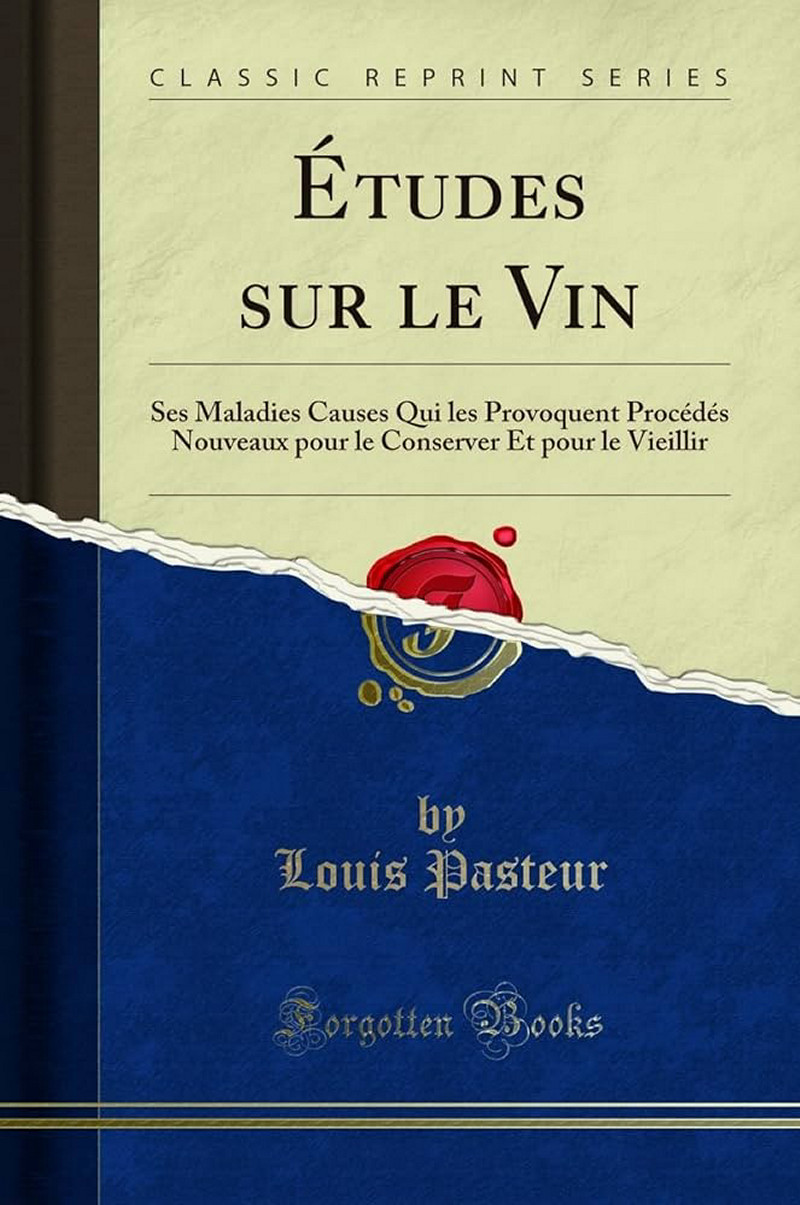
Studies on Wine
Original: Études sur le vin
Work analyzing causes of wine spoilage, the microbiology of fermentation, and practical recommendations for winemaking; includes demonstrations that heating wine (pasteurization) can prevent deterioration.
- Published1866
- TypeBook
- Languagefr
About the Author

Louis Pasteur
Louis Pasteur, tracing his early life in Jura to breakthroughs in microbiology, germ theory, vaccines and chemistry.
View Profile- OccupationScientist
- FromFrance
-
Other Works
- Research on the Relations between Crystalline Form and Chemical Composition (1848)
- Memoir on Alcoholic Fermentation (1857)
- Memoir on Lactic Fermentation (1857)
- Memoir on the Organized Particles in the Atmosphere (1861)
- Studies on the Disease of the Silkworm (1865)
- Studies on Beer (1876)
- Memoir on Chicken Cholera (1880)
- Memoir on Anthrax and Its Vaccination (1881)