
Novel: Tess of the d'Urbervilles
Overview
Thomas Hardy's Tess of the d'Urbervilles is a tragic novel set in rural Wessex that traces the life of Tess Durbeyfield, a young working-class woman whose hopes and dignity are battered by social prejudice, misfortune and the actions of others. The narrative treats Tess not as a simple victim but as a complex figure whose moral integrity and capacity for love contrast sharply with the hypocrisies of Victorian society. Hardy weaves a tale of fate and injustice, where nature, class and sexual double standards intersect to shape a singularly poignant tragedy.
Plot
Tess, a daughter of impoverished rural stock, is sent by her family to seek kinship with the affluent-sounding d'Urbervilles, where she meets Alec d'Urberville. Alec's pursuit leads to Tess's sexual violation and a pregnancy that ends in the death of her infant, leaving Tess scarred by grief and social stigma. Later she finds work at the Talbothays Dairy and meets Angel Clare, a well-meaning but idealistic young man; they fall in love and marry, but Tess confesses her past to Angel on their wedding night. Angel, who cannot reconcile his moral idealism with Tess's experience, abandons her and emigrates to Brazil, leaving Tess to survive amid poverty and renewed harassment from Alec. Driven by desperation and the need to protect herself and those she loves, Tess ultimately kills Alec; she is later reunited briefly with Angel, who returns repentant, but her crime and the weight of events lead to her arrest and execution.
Characters
Tess is portrayed with psychological depth: resilient, morally sincere and inextricably bound to the rural world from which she cannot escape. Alec d'Urberville embodies predatory power and social privilege; his charm masks a cruel capacity to dominate those below him in rank. Angel Clare represents an aspirational morality that is brittle in practice; his rejection of Tess and later remorse underline the novel's critique of idealism divorced from compassion. Secondary figures, Tess's family, fellow laborers and rural employers, populate a society governed by rigid class distinctions and conventional moral judgments that often fail to account for lived realities.
Themes
The novel interrogates innocence and culpability, suggesting that rigid moral codes and social hypocrisy create tragedy as surely as individual wrongdoing. Fate and fatalism recur in the narrative: Tess's lineage, local superstitions and a sequence of ill-timed events combine to deny her agency. Hardy also examines gender and sexual politics, exposing how Victorian expectations punish women while allowing men to evade responsibility. Nature imagery and the rural landscape are integral, reflecting Tess's intrinsic connection to the earth and serving as a counterpoint to the legal and social structures that persecute her.
Legacy and Reception
Contemporary reactions to the novel were mixed, with moral outrage over its frank treatment of sexual matters and sympathy for Tess's plight; both criticism and praise helped cement Hardy's reputation as a major novelist. Tess of the d'Urbervilles endures as a powerful social and psychological portrait that continues to provoke debate about responsibility, class and the treatment of women. The novel's compassion for its heroine and its unsparing critique of social constraint have made Tess an enduring figure in English literature, emblematic of tragic dignity in the face of relentless adversity.
Citation Formats
APA Style (7th ed.)
Tess of the d'urbervilles. (2025, November 20). FixQuotes. https://fixquotes.com/works/tess-of-the-durbervilles/
Chicago Style
"Tess of the d'Urbervilles." FixQuotes. November 20, 2025. https://fixquotes.com/works/tess-of-the-durbervilles/.
MLA Style (9th ed.)
"Tess of the d'Urbervilles." FixQuotes, 20 Nov. 2025, https://fixquotes.com/works/tess-of-the-durbervilles/. Accessed 18 Feb. 2026.
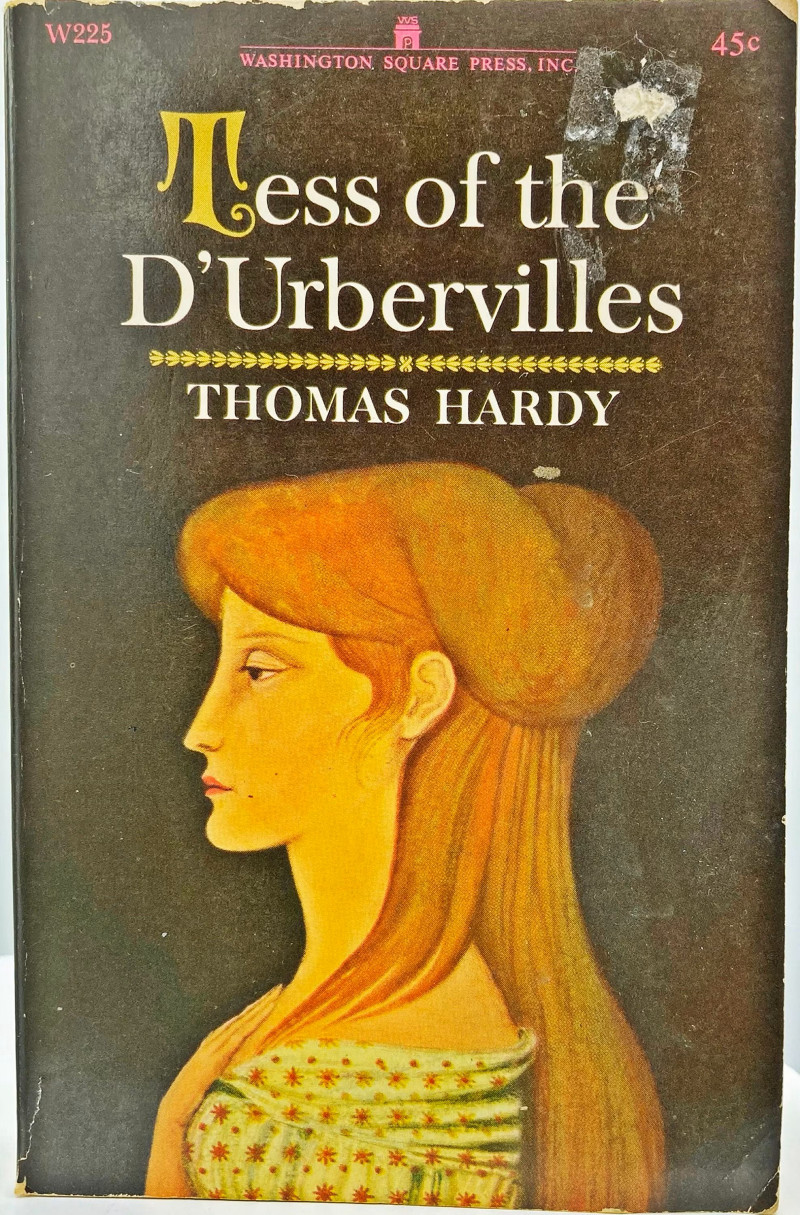
Tess of the d'Urbervilles
A powerful tragic novel following Tess Durbeyfield, a young working-class woman whose life is marked by misfortune and social judgment after encounters with Alec d'Urberville and a fraught marriage to Angel Clare; themes include innocence, fate and social morality.
- Published1891
- TypeNovel
- GenreFiction, Tragedy, Social critique
- Languageen
- CharactersTess Durbeyfield, Alec d'Urberville, Angel Clare
About the Author

Thomas Hardy
Thomas Hardy covering his life, major novels and poetry, Wessex setting, controversies, and literary legacy.
View Profile- OccupationNovelist
- FromEngland
-
Other Works
- Desperate Remedies (1871)
- Under the Greenwood Tree (1872)
- A Pair of Blue Eyes (1873)
- Far from the Madding Crowd (1874)
- The Hand of Ethelberta (1876)
- The Return of the Native (1878)
- The Trumpet-Major (1880)
- A Laodicean (1881)
- Two on a Tower (1882)
- The Mayor of Casterbridge (1886)
- The Woodlanders (1887)
- Wessex Tales (1888)
- A Group of Noble Dames (1891)
- Life's Little Ironies (1894)
- Jude the Obscure (1895)
- The Well-Beloved (1897)
- Poems of the Past and the Present (1901)