
Play: The Fan
Introduction
Carlo Goldoni's "The Fan" ("Il ventaglio"), written in 1765, is a brisk, character-driven comedy that exposes the small hypocrisies and affectations of provincial Italian society. Light on plot contrivance and heavy on witty dialogue, the play uses a single, seemingly trivial object, a lost fan, to set off a chain of misunderstandings and reveal the vanity and self-deception of its characters. The result is both a playful farce and a pointed social satire.
Plot Summary
A lady drops a fan in a public place, and the discovery of that fan becomes the causal spark for a web of confusion. Neighbors, suitors, servants, and gossipers quickly become involved, each reading their own intentions and fears into the object's presence. Mistaken identities, jealous suspicions, and exaggerated proprieties lead to a series of comic confrontations and reconciliations, as characters attempt to preserve honor, reputation, and romantic prospects while misinterpreting one another's motives.
The fan itself functions as a mute witness and a mirror, reflecting the characters' anxieties and hidden desires. Rather than relying on elaborate twists, the play mines humor from everyday vanities: the eagerness to scandalize, the readiness to believe flattering or damning rumors, and the eagerness to be seen as urbane or important. By the finale, the truth about the fan is less significant than the social barometer it has become.
Principal Characters
The dramatis personae assemble a cross-section of town life: the coquettish lady whose possession of the fan is questioned, competing suitors whose rivalries reveal tender and petty sides alike, matrons and gossips who amplify rumors, and quick-witted servants who move the action and comment with ironic detachment. Each figure embodies a recognizable social type rather than a complex psychological portrait, which sharpens the play's satirical edge and keeps the tempo light and comic.
Relationships among characters are governed by rank-consciousness, ambition, and the need to maintain appearances. Goldoni's secondary characters often supply the most incisive observations, exposing the ridiculousness of their superiors' pride or pretensions while managing their own survival through adaptability and mockery.
Themes and Satire
At its heart, "The Fan" is a study of social performance. The lost fan becomes a symbol of reputation and the fragility of social standing: something small can be magnified into scandal when filtered through collective imagination. Goldoni satirizes affectation, pretension, and the corrosive effects of gossip, showing how a community constructs and then savages reputations with equal enthusiasm.
The play also explores themes of desire and disguise. Characters often perform for one another, adopting manners and stories that flatter their self-image. The humor rests in the discrepancy between how characters wish to be seen and the mundane, often ridiculous reality revealed by the fan's journey.
Style and Dramatic Technique
Goldoni's prose is economical and pointed, leaning on crisp dialogue, situational irony, and well-paced entrances and exits to sustain comedic momentum. Unlike the broader commedia dell'arte tradition, which relied heavily on stock masks and improvisation, "The Fan" refines those impulses into a scripted, realistic interaction among social types. Timing and verbal sparring replace physical slapstick, though physicality remains part of the staging.
The play's structure privileges scenes of confrontation and overheard conversation, creating dramatic irony that the audience enjoys as characters misinterpret each other. Goldoni's ear for colloquial speech makes the exchanges feel natural and immediate.
Legacy and Reception
"The Fan" remains a lively example of Goldoni's reforming vision for Italian comedy, bridging the popular energy of commedia with a more observational, character-based realism. The play has endured because of its slice-of-life humor and its ability to expose human weaknesses without cruelty. Performances continue to charm audiences who recognize the timelessness of its social satire, reminding viewers how small incidents can reveal large truths about pride, fear, and the hunger for social approval.
Citation Formats
APA Style (7th ed.)
The fan. (2025, September 12). FixQuotes. https://fixquotes.com/works/the-fan/
Chicago Style
"The Fan." FixQuotes. September 12, 2025. https://fixquotes.com/works/the-fan/.
MLA Style (9th ed.)
"The Fan." FixQuotes, 12 Sep. 2025, https://fixquotes.com/works/the-fan/. Accessed 25 Mar. 2026.
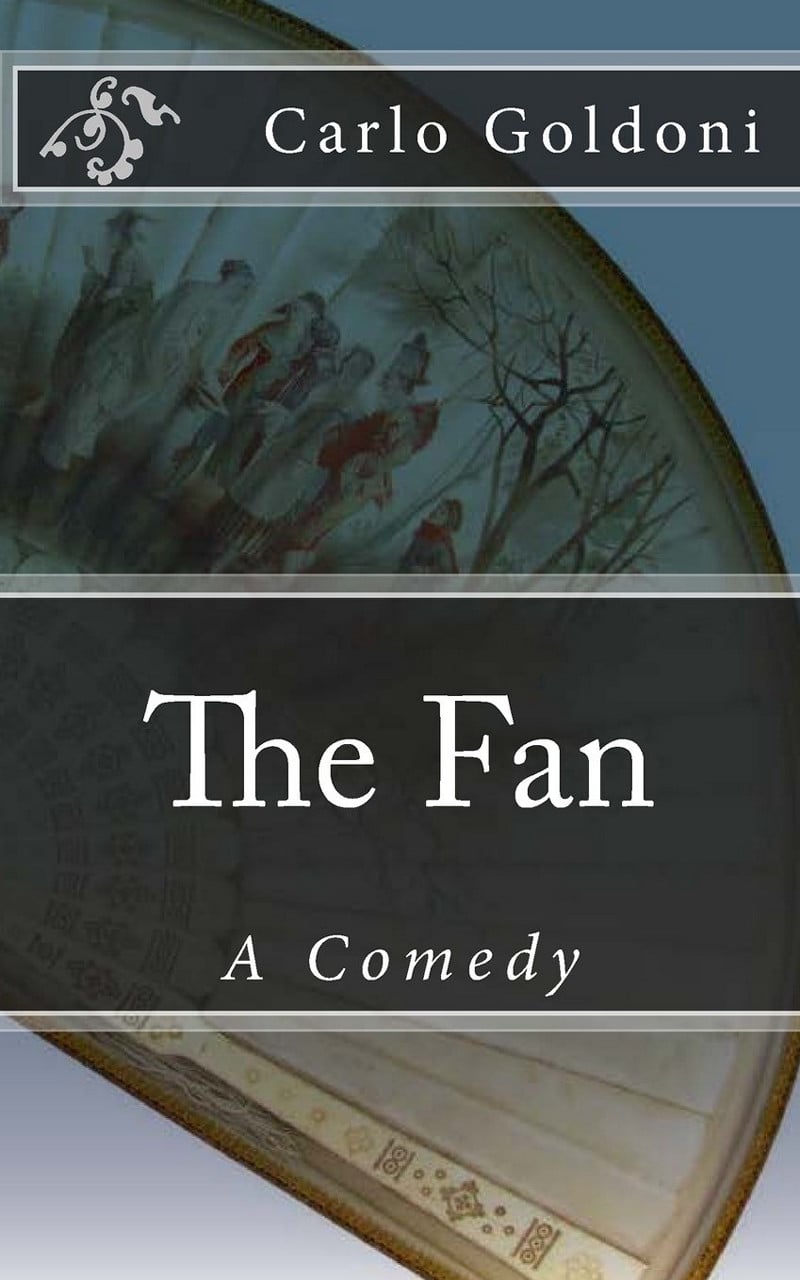
The Fan
Original: La ventaglio
The Fan is a satirical comedy play set in a small Italian village. It humorously explores human follies and foibles, as characters become entangled in a series of events sparked by the discovery of a dropped fan.
- Published1765
- TypePlay
- GenreComedy
- LanguageItalian
- CharactersLelio, Evaristo, Candida, Susanna, Felice, Bettina, Rosina, Conti
About the Author

Carlo Goldoni
Carlo Goldoni, a transformative 18th-century Italian dramatist known for bridging Commedia dellarte and modern realism.
View Profile- OccupationPlaywright
- FromItaly
-
Other Works
- The Servant of Two Masters (1746)
- The Venetian Twins (1747)
- The Good-Humoured Ladies (1748)
- Mirandolina (1753)