
Play: The Hotel in Amsterdam
Plot
A party of British film technicians decamps to Amsterdam for a weekend to escape the control of their tyrannical boss. Over successive nights in a small hotel and its bars, drinking loosens tongues and old grievances surface. Conversation drifts from jokes and nostalgic bragging to raw confessions about failure, desire and the compromises each man has made for money, craft and survival.
The group's camaraderie alternates with sharp, stinging quarrels: petty jealousies flare, sexual tensions become exposed, and the presence of the boss, talked about, imitated and cursed, haunts the evenings like an unseen adjudicator. The action refuses tidy resolution; instead it leaves relationships frayed and the men confronted with the hollowness and occasional tenderness of their bonds.
Characters and Conflict
The characters are craftspeople rather than stars: camera and sound men, a make-up artist, and other behind-the-scenes workers who trade technical expertise for a precarious livelihood. They project bluster and professional pride but are riddled with insecurity, bitterness and unfulfilled ambition. One or two men yearn for dignity in their work, another craves recognition, while yet another surrenders to cynicism as a defense against disappointment.
Conflict is less plot-driven than psychological and moral. Arguments pivot on who has sold out, who has been humiliated by the boss, and who still believes art can mean something. Women and outsiders enter the weekend as tests of loyalty and desire, intensifying fractures already present among the men. The boss functions as a focal point for resentment and projection, a distant but omnipotent figure whose authority the company both resents and needs.
Themes
The play lays bare the compromises that sustain creative industries: pride versus payment, integrity versus employment, and the corrosive effects of a professional hierarchy that rewards charisma over craft. Themes of masculinity and fellow-feeling run throughout; the men seek solace in mutual ribaldry and ritual drinking even as their conversations expose vulnerability and loneliness. Friendship alternates with rivalry, and compassion appears as both genuine and self-protective.
A broader cultural unease pervades the weekend: a postwar generation that once dreamed of significance now confronts the banality of routine and the moral hazards of show business. The hotel becomes a liminal space where private confessions and public performances collide, and where the characters confront whether escape is possible or merely temporary relief from the pressures that define their everyday lives.
Style and Structure
Osborne's language here is sharp, often acidic, mixing colloquial banter with explosive monologues. Dialogue is the engine; scenes move through long, barroom conversations punctuated by sudden eruptions of anger or tenderness. The setting is claustrophobic and immediate, with the hotel's common rooms and corridors serving as a pressure cooker for emotional exposure.
Tonally the play balances bitter comedy and bleak introspection. Moments of raucous conviviality slide into confession and accusation, producing a rhythm that undercuts romantic notions of male companionship with a harsher realism. The structure favors episodic scenes that reveal character by degrees rather than a tightly plotted sequence of events.
Reception and Legacy
Contemporary responses were mixed, with some critics appreciating the play's unflinching look at working life in the entertainment industry and others finding its bleakness excessive. Over time it has been reassessed as a candid, if uncomfortable, examination of the costs of creativity under commercial pressures. The Hotel in Amsterdam stands as a late-1960s study of male solidarity and disillusionment that complements Osborne's larger interest in anger, class and the contradictions of postwar Britain.
Citation Formats
APA Style (7th ed.)
The hotel in amsterdam. (2025, September 13). FixQuotes. https://fixquotes.com/works/the-hotel-in-amsterdam/
Chicago Style
"The Hotel in Amsterdam." FixQuotes. September 13, 2025. https://fixquotes.com/works/the-hotel-in-amsterdam/.
MLA Style (9th ed.)
"The Hotel in Amsterdam." FixQuotes, 13 Sep. 2025, https://fixquotes.com/works/the-hotel-in-amsterdam/. Accessed 28 Mar. 2026.
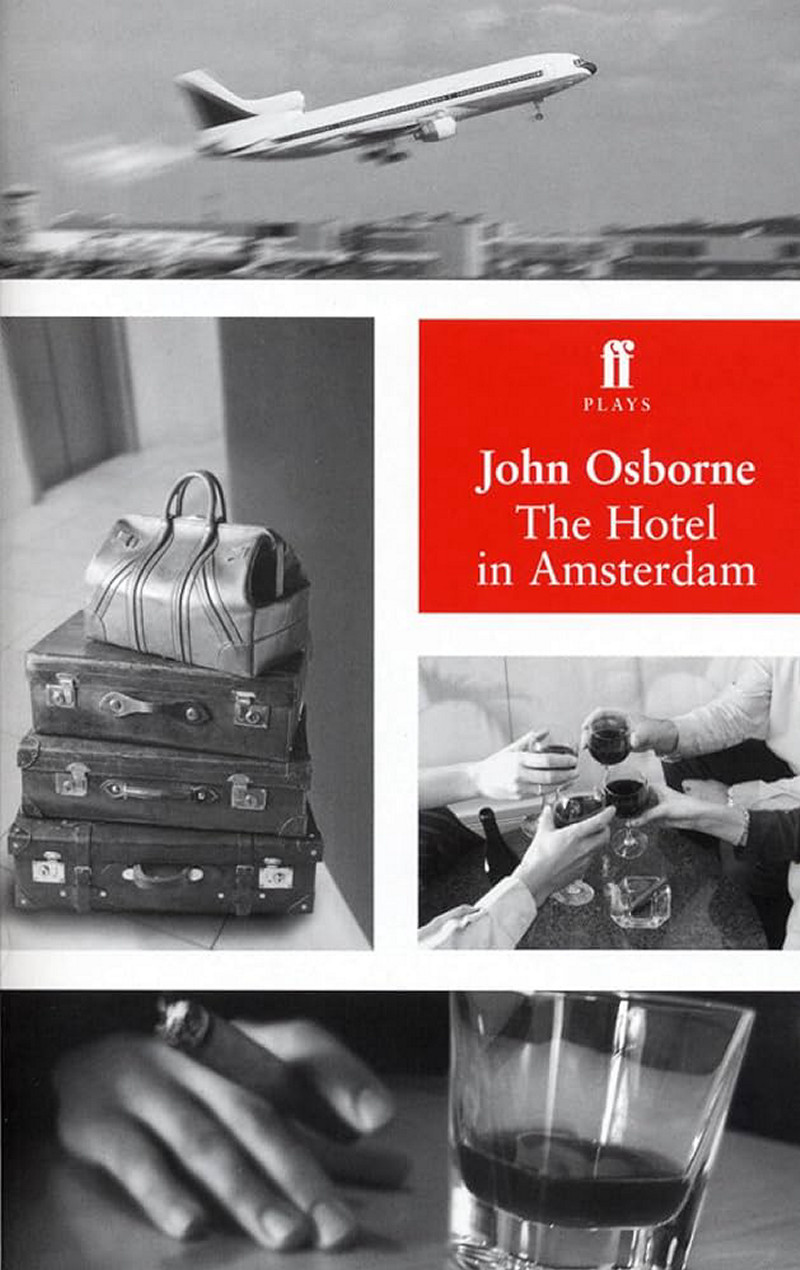
The Hotel in Amsterdam
The play follows a group of British film technicians who escape to Amsterdam for a weekend away from their tyrannical boss. Through conversation, drinking, and camaraderie, the characters attempt to find solace and meaning in their work and lives.
- Published1968
- TypePlay
- GenreComedy-drama
- LanguageEnglish
- CharactersLaurie, Annie, Sissy, Tom, Frank
About the Author

John Osborne
John Osborne, renowned playwright, key figure in the Angry Young Men movement, and influencer of modern British theatre.
View Profile- OccupationPlaywright
- FromEngland
-
Other Works
- Look Back in Anger (1956)
- The Entertainer (1957)
- Luther (1961)
- Inadmissible Evidence (1964)
- A Patriot for Me (1965)